Joining a New National Crafts Network Becomes the Condition for Portuguese Arts Funding, and the Draft Rules Are Open for Comment Until 1 October
The government is turning six years of recovery-fund spending on traditional crafts into permanent policy through the Rede Portuguesa Saber Fazer. Membership applications open in October and the first funding call lands before the end of the year.
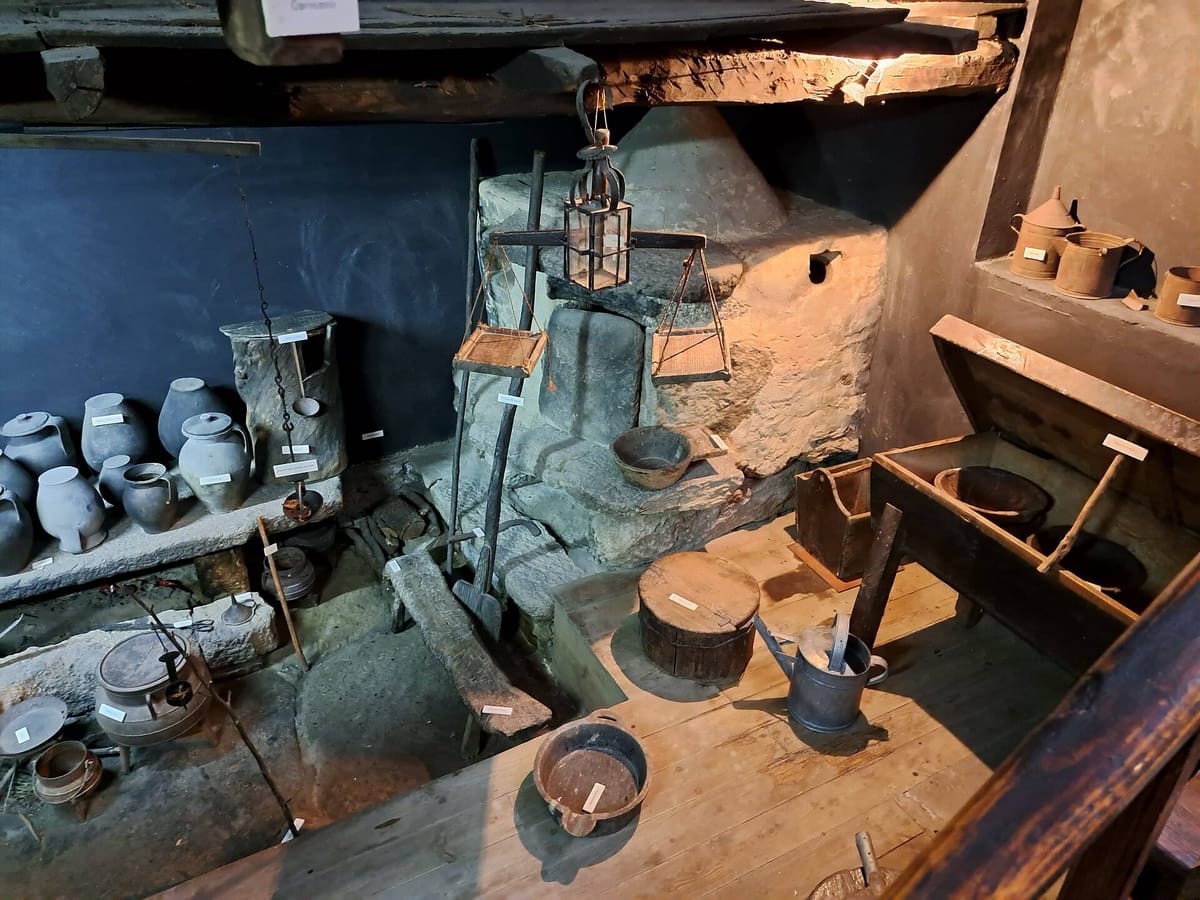
Portugal is turning six years of recovery-fund spending on traditional crafts into a permanent structure, and membership of that structure will decide who can apply for the money that follows. The Minister of Culture, Youth and Sport, Margarida Balseiro Lopes, announced the creation of the Rede Portuguesa Saber Fazer (Portuguese Know-How Network) on Monday at the fifth Fórum Cultura, held at the Museu do Côa in Vila Nova de Foz Côa. The ordinance that creates and regulates it went into public consultation the same day and closes on 1 October.
What the network is
The Rede Portuguesa Saber Fazer is a national cooperation network for safeguarding, transmitting and developing traditional arts and crafts. It is to be coordinated by the Direção-Geral das Artes (Directorate-General for the Arts), and is meant to bring together artisans and other professionals in the sector with public and private bodies, teaching institutions, municipalities and cultural organisations.
Its working instruments, as the government describes them, include networked workshops, a digital repository and valorisation programmes, with the broader aim of pushing research and innovation out into the territories where the crafts are practised.
"Traditional know-how is living cultural heritage, but it is also knowledge, qualification, economy and territorial cohesion," the minister said in a statement issued by her office, adding that the network creates the conditions for traditional arts and crafts to establish themselves "as a development resource for communities and territories across the country".
The point of it is the funding condition
The practical change sits in one sentence of the government's announcement. Joining the network becomes a condition of access to the new financial support for the sector, although membership on its own does not confer any right to be funded.
That support already exists in outline. Traditional arts and crafts were folded into the Direção-Geral das Artes funding regime with a programme of their own, covering projects in safeguarding, transmission, documentation, research, cultural mediation and valorisation. It came out of the wider recasting of Portuguese arts funding that the Council of Ministers approved in July and that opened a 72.84 million euro four-year grant cycle reaching comics and crafts for the first time.
Six years without regulations
The legal position being tidied up here is older than the network. Resolução do Conselho de Ministros n.º 89/2020, of 23 October, approved the Programa Saber Fazer and was then never regulated, as the consultation documents state plainly. The programme has run since 2020 on Plano de Recuperação e Resiliência (Recovery and Resilience Plan) money, and that money has an end date.
The programme is built on three strategic axes the government calls transversality, territoriality and technology, and one of the measures written into it was the promotion of exactly this kind of institutional and territorial cooperation network. The ordinance now out for comment sets the rules for creating, organising and running the network, and the conditions for joining it.
Dates
The consultation is being run by the office of the Minister of Culture, Youth and Sport through the ConsultaLEX portal, and runs from 21 September to 1 October 2026. Comments are the form of participation.
After that, the government says the first applications to join the network will be possible in October, and the first call under the Programme of Support for Traditional Arts and Crafts will be launched before the end of the year. Anyone working in a traditional craft who expects to apply for that money has ten days to read the draft rules that will govern their admission, and rather longer to get their membership in before the call opens.