Portugal's Dolphin Bycatch Plan Is Still Not in Force as a Brussels Deadline Nears, With Two Weeks to Avoid the EU Court
The Commission gave Portugal two months on 1 October to stop failing dolphins and porpoises caught in fishing nets. Quercus says the national bycatch plan has still not taken effect, with the deadline due in early December.
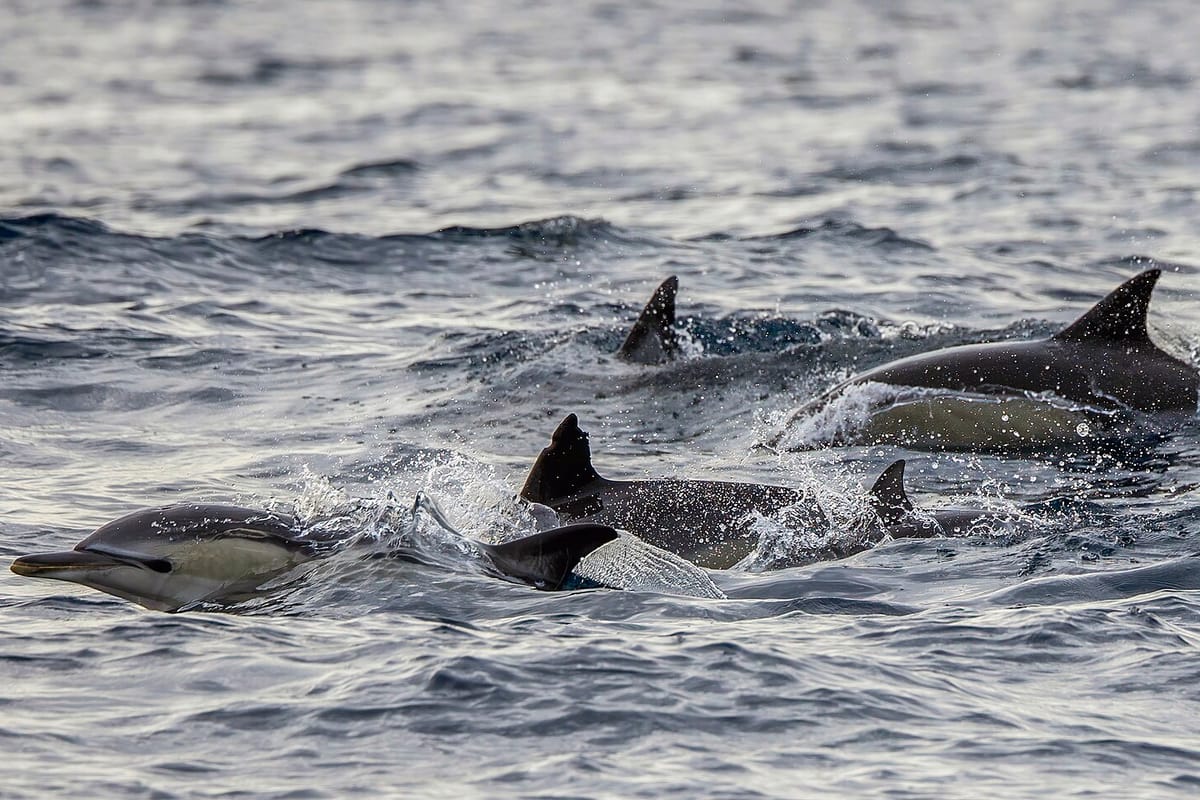
Portugal has about two weeks left to convince the European Commission that it is doing enough to stop dolphins and porpoises dying in fishing nets, or risk being taken to the Court of Justice of the European Union. The environmental group Quercus marked the National Day of the Sea on Monday, 16 November, by warning that the country's plan to cut this bycatch has still not come into force, and that the Commission's deadline runs out in December. Público put the time left at 15 days.
Where the 15 days come from
On 1 October the Commission sent Portugal a reasoned opinion, the second stage of an infringement case, Lusa reported via RTP. It gave Lisbon two months to reply and adopt the necessary measures, which takes the deadline to around the start of December. If the answer does not satisfy Brussels, the Commission can refer the case to the Court in Luxembourg. We covered the October decision in our roundup of 12 legal warnings sent to Portugal in a week.
The case dates back to a letter of formal notice in November 2023. Under the Habitats Directive (Council Directive 92/43/EEC), member states must monitor the accidental capture and killing of strictly protected species and make sure it does not seriously harm them. The Commission says Portugal has no effective system to monitor bycatch (unwanted animals caught by accident) of the bottlenose dolphin, the common dolphin and the harbour porpoise. It also says Portugal has not carried out further research or conservation measures, and has not acted to prevent disturbance from bycatch in the Natura 2000 sites designated to protect dolphins. Some national measures were adopted, Brussels acknowledged, but not enough.
A plan that is still on paper
Quercus points to Portugal's Action Plan for Minimising the Incidental Capture of Seabirds, Marine Mammals and Reptiles. It says the plan was presented at the UN Ocean Conference in 2022 and was due to take effect this year; a draft version sits on the website of DGRM, the national fisheries and maritime authority. Quercus wants the most urgent steps made compulsory now:
- acoustic deterrents and bird-scaring devices on fishing gear;
- hook-removal equipment on board for turtles caught on longlines;
- more inspections and more bycatch monitoring in the riskiest areas and seasons;
- training for crews using gillnets, trammel nets and longlines, the gear it says does the most harm.
The group has asked the environment minister to meet the deadline and present the plan with its own budget and a timetable. Speaking to Público, a Quercus biologist said this would be difficult because no money has yet been set aside for the measures.
What it means for you
Nothing changes for residents on the day the deadline passes. If the Commission goes to the Court and wins, Portugal would be found to have broken EU nature law and would have to comply. The more direct effect would be on the fishing fleet: the measures Quercus lists would mean new equipment, training and inspections for crews working the coast, and the plan, once in force, sets the rules they will have to follow.