Portugal's Deposit-Return Scheme Passes 100 Million Containers in Three Months as Lisbon City Hall Demands It Be Scrapped
Volta, Portugal's new bottle-and-can deposit system, says it has taken back 100 million containers since April — even as Lisbon mayor Carlos Moedas insists the scheme is failing and should be scrapped.
Portugal's new bottle-and-can deposit scheme has just crossed a symbolic threshold. Volta, the brand name of the country's Sistema de Depósito e Reembolso (Deposit-Return System), says it has taken back 100 million containers in barely three months of operation — even as the mayor of Lisbon insists the scheme is failing and should be scrapped.
The system launched on 10 April 2026. Shoppers now pay an extra 10 cents on most single-use plastic bottles and aluminium cans of up to three litres, and get that deposit back when they return the empty container to a collection point. It is run by a non-profit operator funded with roughly 150 million euros from the drinks and packaging producers who put the containers on the market in the first place.
The numbers so far
- 100 million containers returned since April, according to the operator.
- More than 2,500 collection points nationwide, including 521 across Greater Lisbon and 322 across Greater Porto.
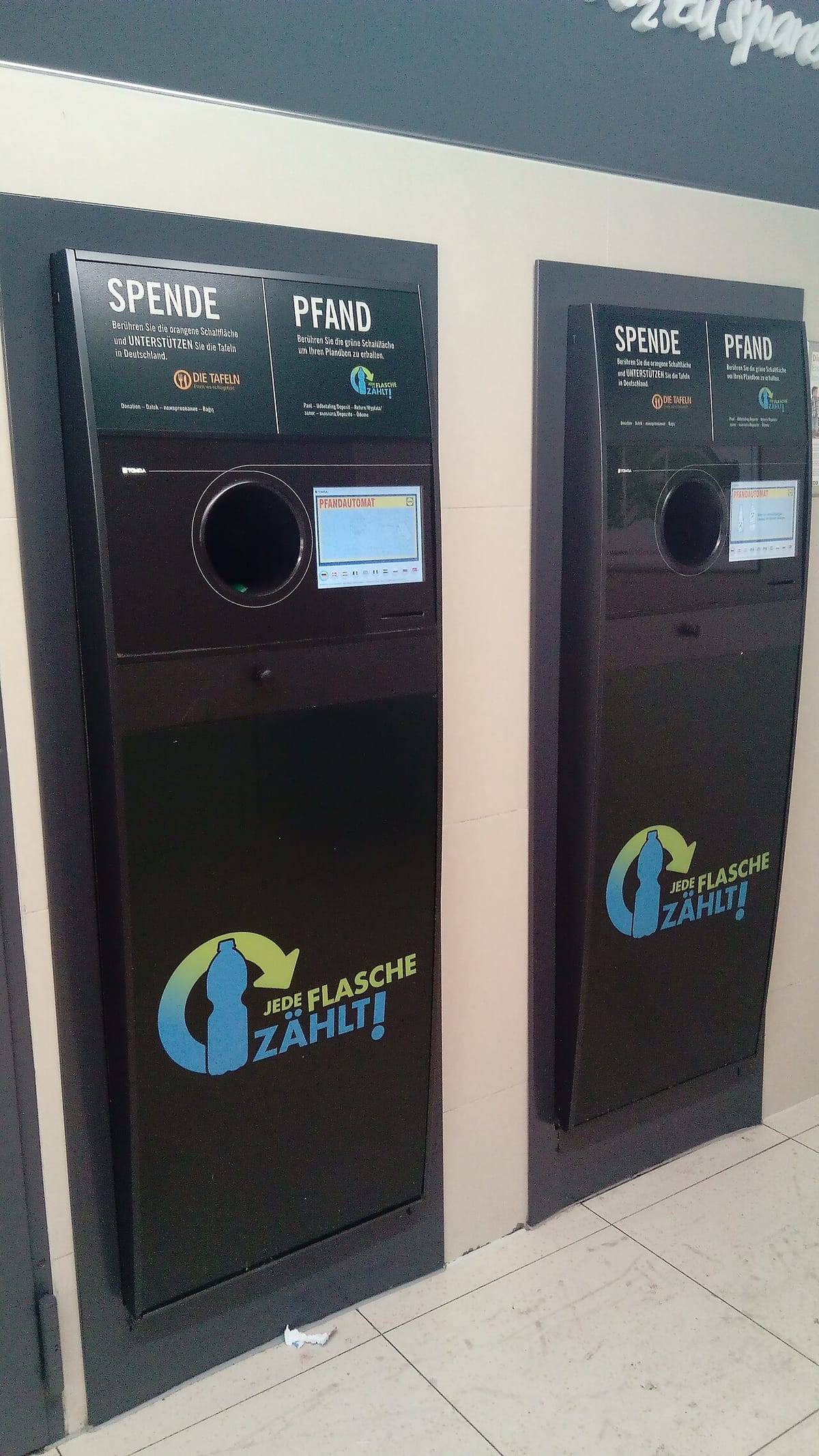
- 50 automated kiosks ("Quiosks") now running in 38 municipalities, alongside reverse-vending machines in supermarkets.
- 10 cents refunded per eligible container of up to three litres.
The scheme exists because Portugal is legally bound to hit an EU recycling target of 90 percent collection for these materials by 2029. Missing earlier packaging targets had already exposed the country to fines estimated at around 600 million euros over three years, so the deposit model is meant to be the fix that finally closes the gap.
A very public row with Lisbon
Not everyone is convinced. Lisbon mayor Carlos Moedas has argued the system "will have to end" because it is not working, pointing to the sight of people rummaging through street bins to fish out deposit-bearing bottles and cans, scattering rubbish as they go. He cited the experience of Dublin, where he said cleanup costs ran to half a million euros.
The operator has pushed back hard, describing the urban-hygiene problems as "punctual" — isolated and temporary — and warning that they "cannot support definitive conclusions about a recently launched public policy." It notes that similar teething problems appeared in other European countries that adopted deposit-return schemes, and faded as more machines were installed and people got into the habit of returning their empties rather than binning them.
What This Means for Residents and Expats
- You are already paying the deposit: Since April, that extra 10 cents is added at the till on covered drinks. It is refundable — but only if you return the container, so keep your bottles and cans.
- Where to get your money back: Look for the reverse-vending machines in larger supermarkets or the standalone Volta kiosks; there are now more than 2,500 points, heavily concentrated in the Lisbon and Porto metro areas.
- Glass is not (yet) included: The 10-cent deposit currently applies to single-use plastic bottles and metal cans up to three litres, not to the glass and other packaging handled by the older kerbside bins.
- Expect the network to grow: Coverage is still uneven outside the big cities, but the operator is expanding machines and kiosks as it chases the 2029 collection target.
Whatever the politics, the early volume is real: 100 million returned containers in three months suggests residents are engaging with the scheme. The open question is whether Portugal can smooth out the street-level friction fast enough to keep city halls onside — and to reach the 90 percent collection rate that Brussels is waiting for.