Pigment Fragments Dug Up at Penascosa Push Human Presence in the Côa Valley Past 27,000 Years and Hint Its Engravers Also Painted
Archaeologists at the Côa Valley's Penascosa site found hundreds of ochre and other pigment fragments in a layer over 27,000 years old, suggesting the Palaeolithic engravers may also have painted. Penascosa is open for guided visits from 18 euros.
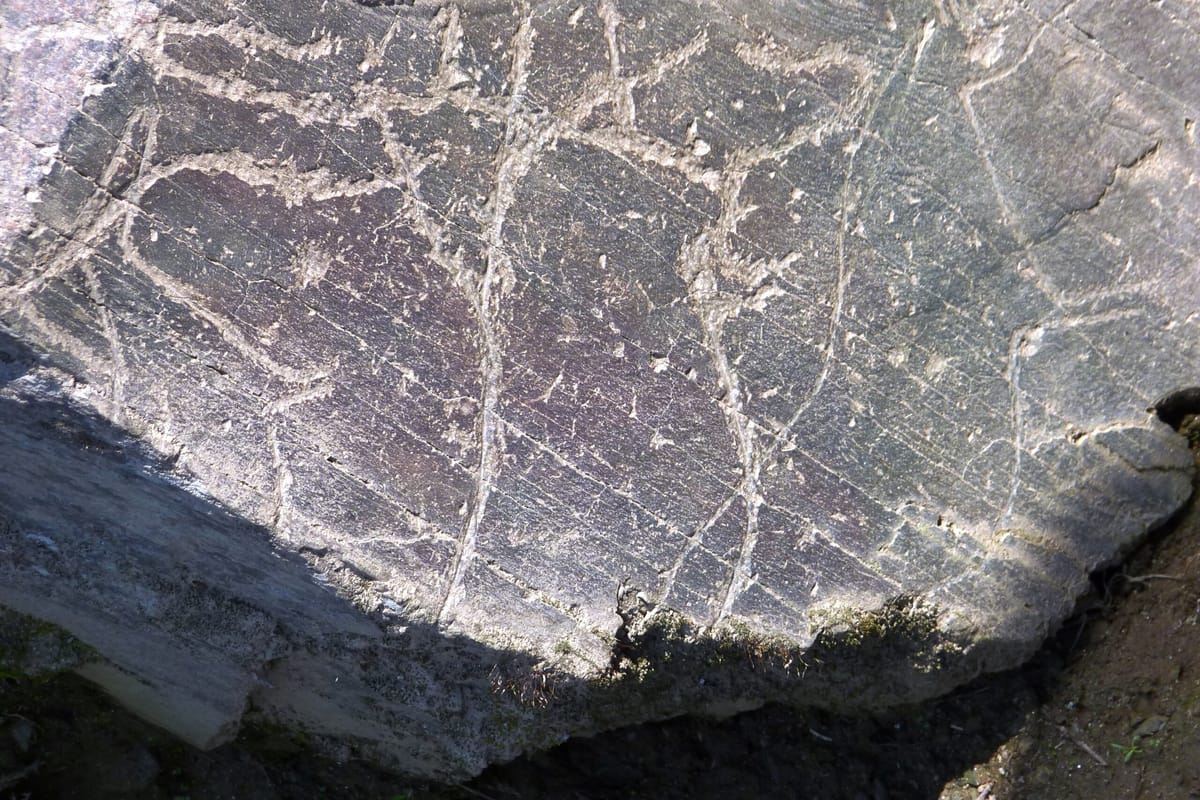
Archaeologists from the Fundação Côa Parque, the public foundation that runs the Côa Valley Archaeological Park and the Côa Museum in Vila Nova de Foz Côa, have recovered hundreds of fragments of pigment material at the Penascosa rock art site. Their scientific coordinator says the finds push the evidence of people living there beyond 27,000 years, older than the 26,000 years accepted until now, and suggest the valley's Palaeolithic artists may have painted as well as engraved. The news was reported on 31 October by Lusa via RTP.
What was found
The material came from a sondagem (a test excavation) at Rock 3 at Penascosa, on the right bank of the Côa. The eight square metre dig took several months, is now finished and involved archaeology students from the University of Lisbon. Thierry Aubry, the foundation's scientific coordinator, told Lusa the oldest layer is more than 27,000 years old and dates to the end of the Gravettian, a phase of the Upper Palaeolithic. He said its occupants tanned hides, made hunting weapons and lit fires.
The pigments are minerals such as iron oxide (ochre), in yellow, red, black and brown. Aubry said they could have served for glues or tanning, but also for painting rocks, which matters because the art visible in the park today is made by picotagem, pecking the rock surface with a stone. "This changes the whole narrative," he said, suggesting paintings on open rocks or hides would not have survived, unlike in sheltered caves. The team does not yet know what surface the pigments were used on; analysing them may show whether they touched rock or skin.
Why it matters, and what comes next
When the park was created in August 1996, 190 engraved rocks were known. Lusa reports that 1,600 rocks at 104 sites are now identified, with more than 15,650 motifs. The Côa art became a National Monument in 1997 and a UNESCO World Heritage site in 1998. Excavation at Penascosa will resume in the spring. The foundation's president, João Paulo Sousa, told Lusa that only three of its staff work in research and called for urgent reinforcement; the universities of Coimbra, Lisbon and Minho already collaborate. Background: our piece on the park's 30th anniversary.
What it means for you: visiting the sites
Penascosa itself is open to the public. According to the foundation's Penascosa page, guided visits leave in the afternoon, every day except closure days, from the reception centre in Castelo Melhor, about 15 km from Vila Nova de Foz Côa, by off-road vehicle. The visit takes about 1 hour 30 minutes, shows six engraved rocks and the walk is easy. It costs 18 euros per person. The foundation's price list also includes a night visit to Penascosa.
- Canada do Inferno: mornings, from the Côa Museum, 1 hour 30 minutes to 2 hours, 18 euros (details).
- Ribeira de Piscos: mornings, about 2 hours 30 minutes with a longer walk, 18 euros, not offered in summer; the route includes a recently found painted panel the foundation dates to after the Upper Palaeolithic (details).
- Côa Museum: from October to April, open 9:00 to 17:30, and closed on Mondays from 1 November to 31 March, though site visits still run on those days. Adult entry is 8 euros on the price list, with half price on Sunday and public holiday mornings.
Daily places are limited, so the foundation recommends booking ahead on 279 768 260 (option 1) or 965 778 799, or by email at [email protected]. Museum tickets may also count towards the cultural expenses deduction in your IRS: see our explainer.