Portugal's Bank Workers Are Called Out on 30 November, After the Banks Said 2 Percent Was Their Final Word
The SNQTB union has called a strike for 30 November and protests from 9 October, starting at novobanco and Millennium bcp, after the banks held their 2026 pay offer at 2 percent with inflation at 3.3 percent.
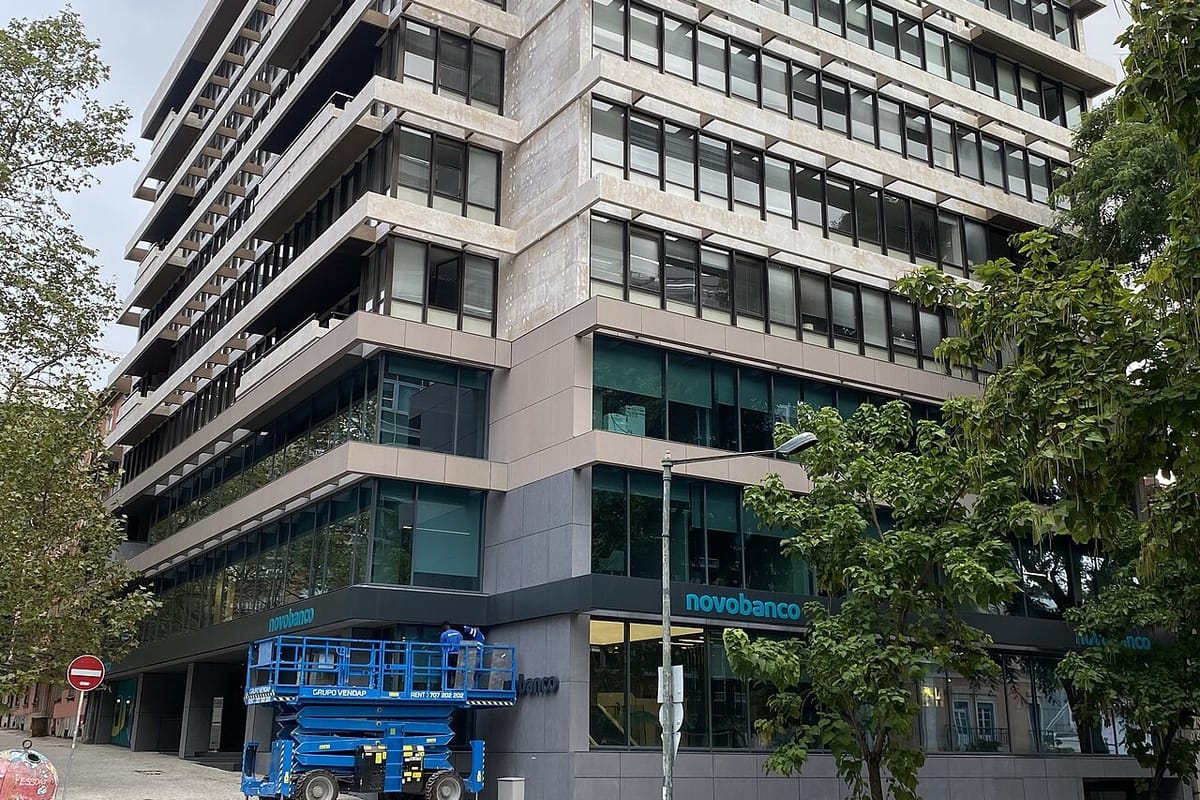
A Portuguese bank staff union has called a strike for Monday 30 November, and will first hold protests outside bank head offices, starting on Friday 9 October. The decision follows a pay offer of 2 percent from the banks.
The Sindicato Nacional dos Quadros e Técnicos Bancários (National Union of Bank Managers and Technical Staff, SNQTB) announced the move in a communiqué dated 22 September. According to the union, its board decided to issue formal strike notice for 30 November after a negotiating meeting on the sector's collective agreement, held the day before. At that meeting, the union says, the banks confirmed that they would not change their offer.
What is being negotiated
The dispute is over the 2026 revision of the Acordo Coletivo de Trabalho (collective labour agreement, or ACT) for the banking sector, the agreement the union negotiates with the banks that have signed it.
According to the SNQTB, the banks' offer is a 2 percent update to three things: the salary table, bank pensions and the agreement's other cash clauses. The union's position is that this leaves both salaries and pensions below inflation. Consumer prices in Portugal were 3.3 percent higher in August than a year earlier, according to the Instituto Nacional de Estatística (National Statistics Institute, INE). INE says the rise from July was almost entirely down to the price of diesel. Core inflation, which leaves out energy and unprocessed food, stood at 2.6 percent.
The union's communiqué does not set out its own pay demand. It does say that "a difference of 1.1 percent" in the update is worth a strike. By its own calculation, that gap would cost an average bank worker more than 9,000 euros in total over their remaining working years and retirement. The communiqué does not explain how it reaches that figure.
The union also points to record profits at the banks, and an earlier communiqué, of 16 September, complained that the bank workers' health subsystems are underfunded. These are the union's claims.
What happens next
- 9 October: the first protest, outside the head offices of novobanco and Millennium bcp. According to the SNQTB, protests at the other banks will follow on dates still to be announced.
- 30 November: the strike. The union calls it a moment of unity and says it is open to the sector's other unions, but its communiqué does not say that any other union has yet joined.
The 16 September communiqué had already warned of "action" if the banks did not move at the meeting then scheduled for 21 September. It also said the SNQTB would take part in joint mobilisation with the other bank unions. The 2 percent offer is not new: in May, three other bank unions, Mais Sindicato, SBN and SBC, had already rejected it.
What it means for bank customers
It is too early to say. The strike is more than two months away and could still be called off if the banks improve their offer. A strike by one union also does not automatically close branches: the effect depends on how many staff stop work at each bank. The union has not said whether the strike covers every bank bound by the agreement.
Customers who need to visit a branch in person on 30 November, for example to sign a mortgage deed, may want to check with their bank closer to the date.