Portugal Stands Down Its Peak Wildfire Force After 74,267 Hectares Burnt, Less Than a Third of 2025, From the Most Fires Since 2022
The Delta level of Portugal's rural firefighting force ends on 30 September. Almost 8,000 fires burnt 74,267 hectares, 72 percent less than last year, with the North taking 44,046. A smaller Charlie force covers the next 15 days.
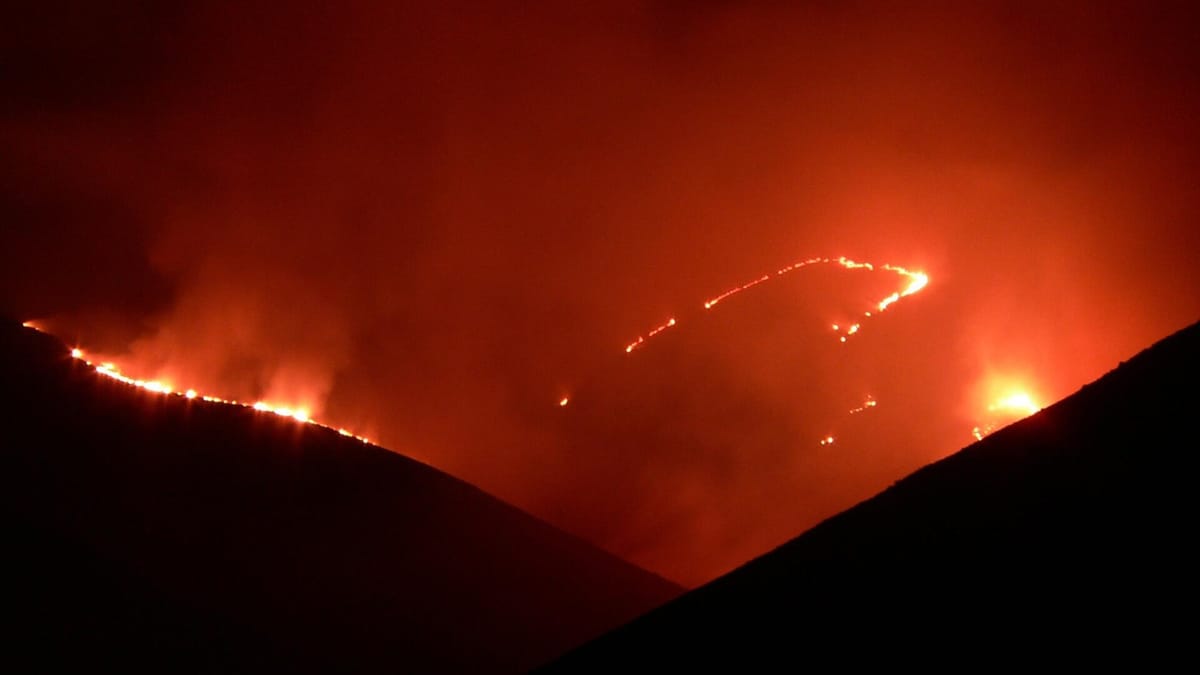
Portugal's wildfire response scales down on Thursday. The most intensive phase of the year, the so-called Delta level of the Dispositivo Especial de Combate aos Incêndios Rurais (DECIR, the special rural firefighting force), ends on Wednesday 30 September, and it closes on a season with far less land burnt than last year but more fires.
Provisional figures from the Sistema de Gestão Integrada de Fogos Rurais (SGIFR, the integrated rural fire management system), reported by the Lusa news agency, count almost 8,000 fires so far this year and 74,267 hectares burnt. That is 72 percent less than in the same period of 2025, so this year's burnt area is less than a third of last year's. It still ranks as the sixth-worst year of the decade for burnt land.
The number of fires moved the other way. It rose by about 9 percent on 2025, the highest count since 2022, and the sixth-highest of the decade.
The north took most of the damage
The North accounts for 44,046 hectares, well over half of the national total. The Centre follows with 22,587 hectares and the Alentejo with 5,389. According to the SGIFR data, about half of the area burnt this year burnt on days classed as high fire risk.
The late summer added noticeably to the total. The provisional report available in early September counted 56,586 hectares burnt to 15 August, so roughly 17,700 more hectares have burnt since mid-August, a period that included the Odemira blaze of late September.
The season also cost a life. A volunteer firefighter from Resende, in Viseu district, died while fighting a fire in late September.
What the peak force looked like, and what replaces it
Under the Diretiva Operacional Nacional (DON, the national operational directive) that sets up DECIR, the Delta level has run since 1 July. At full strength it put 15,149 personnel from 2,595 teams in the field, with 3,463 vehicles, 50 tracked machines and 81 aircraft. Three of the aircraft were helicopters belonging to AFOCELCA, a private forest protection company that specialises in fighting rural fires.
From Thursday the Charlie level takes over for 15 days. It keeps 12,866 personnel from 2,155 teams, 2,857 vehicles, 41 tracked machines and 67 aircraft on duty. That is about 15 percent fewer people and 14 fewer aircraft than at the peak.
Asked by Lusa whether the plan would change, the Ministério da Administração Interna (Ministry of Internal Administration) said "no change is planned" to DECIR, and that "a robust force" would stay in the field over the coming days.
What it means if you live in a rural area
A smaller force does not mean the risk is over. As recently as 20 September, 62 councils were at maximum fire danger, and the Odemira fire broke out days later. Check the daily fire risk for your council before you light anything.
If you plan to clear land or burn garden waste this autumn, our guide to burning garden and farm waste in Portugal explains when the council has to give permission and on which days all fire is banned. To report a fire, call 112.