Portugal's Diagnostic and Therapeutic Technicians Will Stop Work on 9 October, and the Quarrel Is Over Points They Say the New Pay Table Takes Away
The STSS has called a national strike and a rally outside the Health Ministry, with a two-day stoppage pencilled in for late November. Its members refused to sign the government's agreement in principle.
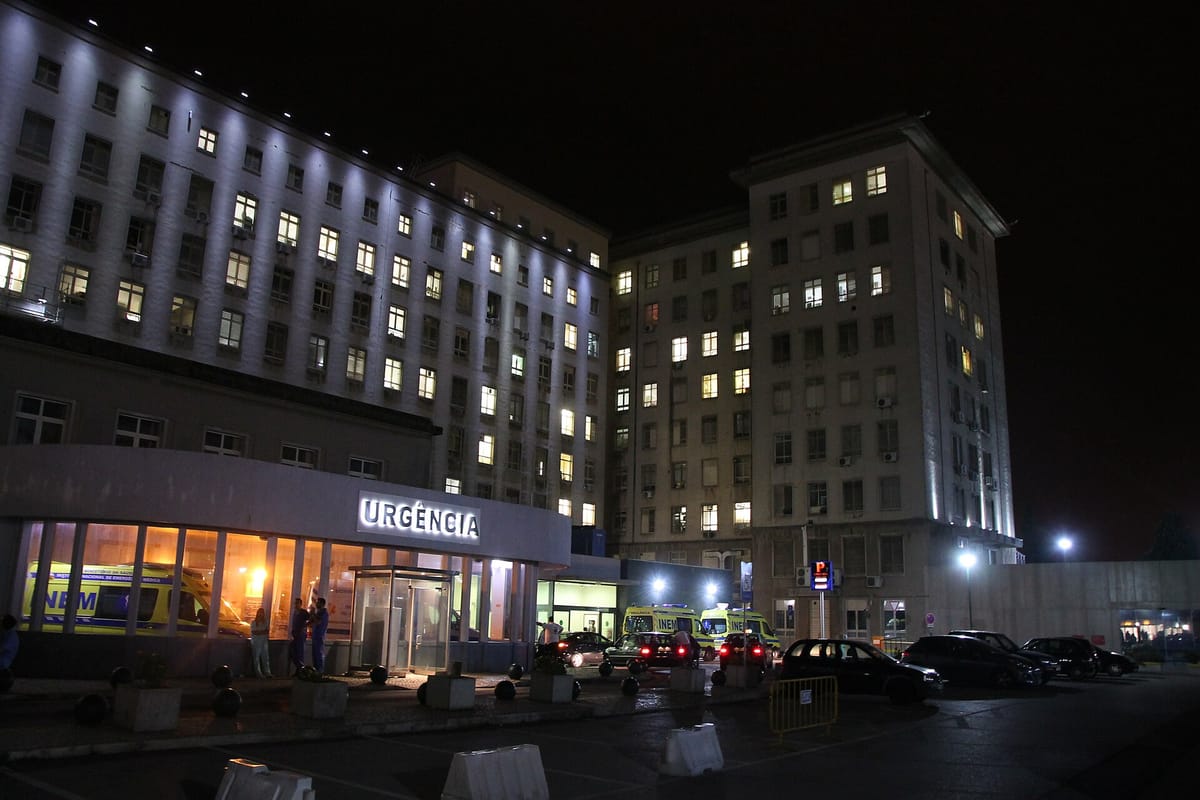
Portugal's diagnostic and therapeutic technicians will stop work on 9 October and gather outside the Health Ministry and the Prime Minister's office from two in the afternoon. If nothing moves, their union has already pencilled in a second national strike, this one lasting two days, for the end of November.
The Sindicato Nacional dos Técnicos Superiores de Saúde das Áreas de Diagnóstico e Terapêutica (National Union of Senior Health Technicians in the Diagnostic and Therapeutic Areas), known as the STSS, announced the calendar on Friday. It covers the people who take the X-rays, run the blood and tissue analyses, deliver radiotherapy, fit prosthetics, staff the physiotherapy and speech therapy rooms and check environmental health across the public system. When they stop, diagnosis stops with them, and a hospital that cannot diagnose cannot discharge.
The quarrel is about points, not percentages
What the union rejects is not the size of the rise. It is the mechanics of the transition to a new pay structure. The government presented a revised salary table as a professional upgrade; the union's members voted against signing the resulting "acordo de princípios" (agreement in principle), and the STSS did not sign it.
The objection is specific. According to the union, the revision leaves unresolved how accumulated points are counted when technicians move to the new structure, which positions on the table they land on, and how those positions compare with other public administration careers. In its account, a revision sold as a rise can mean, for a large number of professionals, losing points already earned, being overtaken by colleagues who had been behind them, and seeing the ranking within the career inverted. The union calls that unacceptable, and says transition without loss of points is the precondition for any settlement it could accept.
"We gave the government time to respond, we sought every avenue of dialogue and we always stayed available to negotiate," said Luís Dupont, the STSS president. "Faced with the absence of solutions, workers are now going to show, in the institutions and in the street, that they do not accept a revision of the pay table that keeps injustices and increases inequalities."
An escalating calendar, not a single day
The 9 October strike is the headline, but it is the middle of a sequence rather than the whole of it. The union says localised action begins at the end of September inside the Unidades Locais de Saúde (Local Health Units), with institution-specific strikes and protests running through October and into November. The two-day national strike at the end of November is the stated next step if the ministry does not move.
The STSS says it had already asked for an urgent hearing with the Prime Minister and for meetings with the parliamentary groups after its members refused the agreement in principle. It also insists the mobilisation does not close the door: "All of this can still be avoided," Dupont said, arguing the government can find a compromise that corrects what he calls the injustices created.
Another autumn of health disputes
The calendar lands in a crowded season. INEM's pre-hospital technicians called off their September strikes only after winning changes to an ambulance shake-up, and three unions have set 2 October as a strike date for 350,000 general-career public workers. That puts two stoppages a week apart in the same month, both touching the same hospitals.
For patients, including foreign residents using the Serviço Nacional de Saúde (National Health Service), the practical effect of a technicians' strike is felt in scheduled work rather than emergencies: imaging appointments, laboratory turnaround and therapy sessions. Minimum services have not yet been announced. Our guidance from March's public sector strike still holds as a rule of thumb: assume an appointment stands until the unit tells you otherwise, and check before travelling.