Portugal Rejects Sócrates's Claim to Europe's Human-Rights Court That His Corruption Prosecution Was Unfair
In observations filed by the 23 July deadline, the Portuguese State told the European Court of Human Rights it committed no violation over Operação Marquês. Strasbourg had asked about the case's duration, information leaks and domestic remedies. Sócrates now has about six weeks to reply.
The Portuguese State has told Europe's human-rights court that it did nothing wrong in the way it prosecuted former prime minister José Sócrates. In observations filed by the deadline of 23 July, the government rejected the complaint Sócrates brought to the European Court of Human Rights (ECHR) over the marathon corruption case known as Operação Marquês, stating flatly that it “considers no violation of the European Convention on Human Rights to have occurred.”
The response, submitted through the Ministry of Justice, is the State's formal answer to questions the Strasbourg court put to Lisbon on 2 April. It is a procedural but consequential moment in a saga that has run for more than a decade and become a permanent fixture of Portuguese public life.
What Strasbourg asked
The ECHR did not take up the whole of Sócrates's grievance. Instead it narrowed its questions to three issues. The first is the sheer duration of the criminal proceedings — whether a case that has dragged on for years breaches the right to a trial within a reasonable time. The second is privacy: whether repeated leaks of information covered by judicial secrecy violated the former prime minister's rights. The third is remedies — whether Portugal offers an effective domestic route, such as recourse to the administrative courts, for someone claiming those harms.
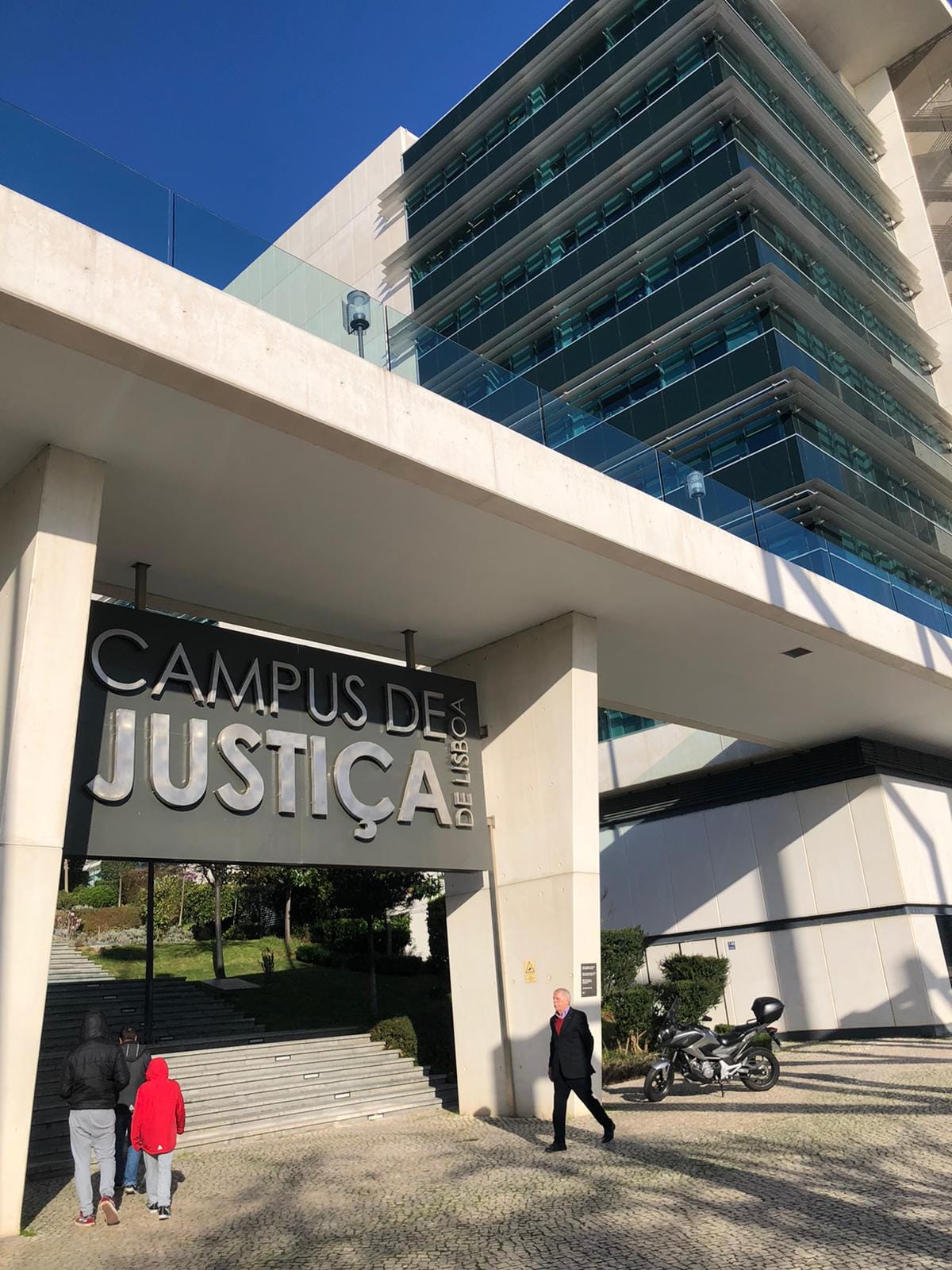
Sócrates lodged his complaint in Strasbourg on 1 July 2025, arguing that his right to a fair trial was being trampled. Two days later, on 3 July 2025, his trial finally opened at Lisbon's Central Criminal Court.
The case behind the case
Operação Marquês dates back to Sócrates's arrest in November 2014. He and some 20 co-defendants face charges centred on corruption and financial crimes said to have taken place between 2005 and 2014; all of them deny wrongdoing. The investigation, the repeated appeals over which charges could proceed, and the years of pre-trial wrangling turned the case into a symbol, for supporters, of a justice system that could not deliver a verdict, and for critics, of a defendant using every lever to delay one. The same prosecution service closed another of these files this weekend: prosecutors shelving the third corruption case against Manuel Pinho for want of proof.
The delays have already produced one payout. In June, a Lisbon administrative court ordered the State to pay Sócrates €15,000 in compensation for damage caused by breaches of judicial secrecy — a ruling that remains subject to appeal, but one that hands his Strasbourg argument a useful piece of domestic evidence.
What happens next
With the State's observations now filed, Sócrates has roughly six weeks to respond in turn before the court weighs how, or whether, to proceed. A ruling from Strasbourg is not imminent, and the ECHR could still declare parts of the complaint inadmissible.
For residents watching Portuguese politics from the outside, the case is worth following less for its celebrity defendant than for what it tests: how long a democracy can take to try a former head of government, and whether the leaks and delays that shadowed this prosecution cross a line the rest of Europe recognises. The criminal trial itself, meanwhile, grinds on in Lisbon with no scheduled end date.