Portugal Postpones the Overhaul of Its Local Finance Law (Lei das Finanças Locais) Past Its 2027 Target
The government has dropped its pledge to bring in a new Local Finance Law by 2027, with Prime Minister Montenegro calling the target unrealistic. A working group set up in April has met twelve times but fixed no date, leaving 308 municipalities funded by a decade-old 2013 formula as local elections
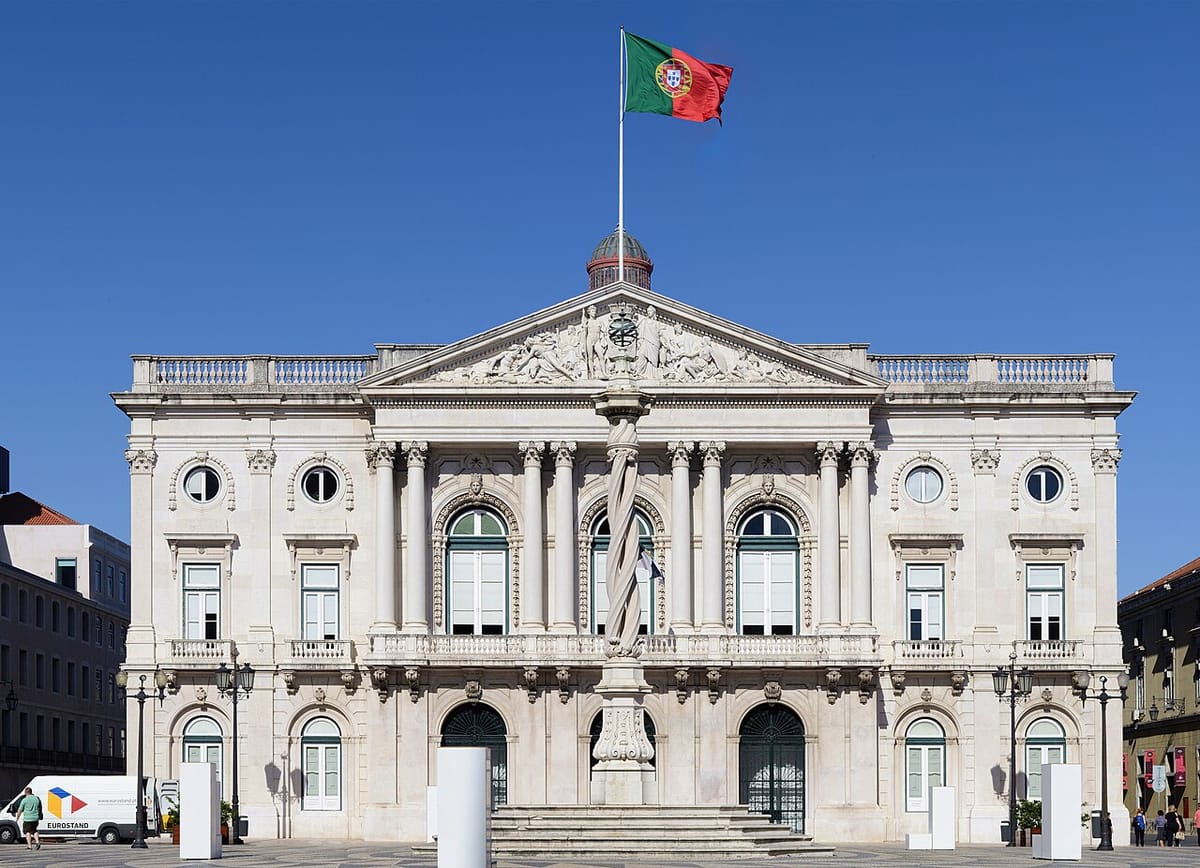
The government has quietly abandoned its pledge to have a new Local Finance Law (Lei das Finanças Locais) in force by 2027, leaving Portugal’s 308 municipalities waiting indefinitely for a funding overhaul that town halls across the political spectrum say is overdue.
Prime Minister Luís Montenegro first called the 2027 target “unrealistic” in June, and the Ministry of the Economy confirmed the retreat in a written reply to a parliamentary question on 17 July. The reply offered no fresh calendar. A working group set up in April has held twelve meetings but remains in the early stages — gathering technical data, comparing financing models abroad and consulting stakeholders — with no completion date attached.
Why the law needs rewriting
The current framework dates from 2013 and, critics argue, has not kept pace with the responsibilities steadily handed down to councils. Over the past decade municipalities have absorbed new duties in education, primary healthcare and social services under Portugal’s decentralisation drive, but town halls complain the money transferred with those competences never matched their real cost. The result is a growing dependence on discretionary transfers from central government rather than stable, predictable revenue.
The National Association of Portuguese Municipalities (Associação Nacional de Municípios Portugueses, ANMP) used its 27th Congress to demand the reform arrive on schedule, warning that decentralisation without matching finance simply shifts blame downward. A rewritten law is meant to deliver clearer rules on how state money is shared out, how much councils can raise locally, and how transfers track the services they are actually expected to provide.
A political timing problem
The delay lands awkwardly. Municipal elections are due later in 2026, and the funding question cuts to the heart of what councils can promise voters. Without reform, wealthier urban councils that raise more from property and business taxes keep their edge over rural municipalities that lean on state top-ups — a gap the 2013 formula was never updated to close.
The stall also sits alongside other unfinished fiscal business. The government has left the door open to a 2027 minimum wage above €970 and is weighing a household savings plan with new tax-favoured accounts, even as it trims its 2026 growth forecast. Brussels, meanwhile, still ranks Portugal among the EU’s few budget surpluses — giving Lisbon fiscal room it has so far declined to spend on municipal reform.
What This Means for Expats
- Local services: The money that funds your council’s water, waste collection, local roads and schools stays governed by an ageing formula, so service quality will keep varying sharply from one municipality to the next.
- Property taxes: Councils set their own IMI property-tax rate and business surcharge (derrama) within legal bands; until the law changes, these local levers remain the main way town halls plug funding gaps.
- Where you live matters: Choosing between a well-resourced city council and a cash-strapped rural one has real consequences for the services you receive for the tax you pay.
For now, the reform joins a lengthening list of structural changes promised and postponed — and municipalities head into an election season still funded by a decade-old rulebook.