Portugal Clears a Path to Force the Sale of Property Locked in Undivided Inheritances
President António José Seguro on Friday, 7 August, promulgated a decree that authorises the government to overhaul one of the most intractable corners of Portuguese life: property trapped in heranças indivisas (undivided inheritances), where heirs...
President António José Seguro on Friday, 7 August, promulgated a decree that authorises the government to overhaul one of the most intractable corners of Portuguese life: property trapped in heranças indivisas (undivided inheritances), where heirs cannot agree on how to split an estate and so nothing can be sold, rented or renovated for years.
The decree clears the way for two new regimes. The first is a special court procedure for the sale of immovable property caught in an undivided inheritance; the second is a system of arbitragem sucessória (succession arbitration) to resolve disputes outside the ordinary courts.
At its core, the reform lets a single heir break the deadlock. An individual heir — or the surviving spouse, or an executor (testamenteiro) granted partition powers — will be able to ask a court to order the sale, at market price, of urban or rural property that has sat unpartitioned for more than two years because the heirs cannot reach agreement. Today, a single objector can block a sale indefinitely.
Lawmakers built in protections for the vulnerable. The casa de morada de família (the family home) is shielded from forced sale unless the surviving spouse or partner expressly consents — an amendment introduced by the PSD and, crucially for the many couples who never married, extended to uniões de facto (de facto unions). Estates caught up in insolvency proceedings are also excluded.
The law also creates an executor with partition powers to centralise the administration, liquidation and division of an estate without requiring unanimity. Any heir will be able to take over the administration by simple majority, except where the surviving spouse already holds that role. To protect future heirs, a partition cannot proceed where consent exists for posthumous insemination, for three years after the succession opens or until a live birth. Our guide covers the instrument behind this: the prenuptial deed and the one narrow way Portuguese spouses can waive each other's reserved share.
The decree amends both the Civil Code and the Code of Civil Procedure, and it will apply retroactively to every inheritance that is open and unpartitioned when it takes effect — a sweeping reach that could unlock long-frozen properties across the country. The government now has 180 days to publish the implementing regulation.
The measure drew broad but not universal support in Parliament in July. It passed with votes in favour from the PSD, CDS-PP, the PS, the Liberal Initiative (IL) and the regional JPP; the PCP, the Left Bloc (BE) and Livre voted against, while Chega and the animal-rights and greens party PAN abstained.
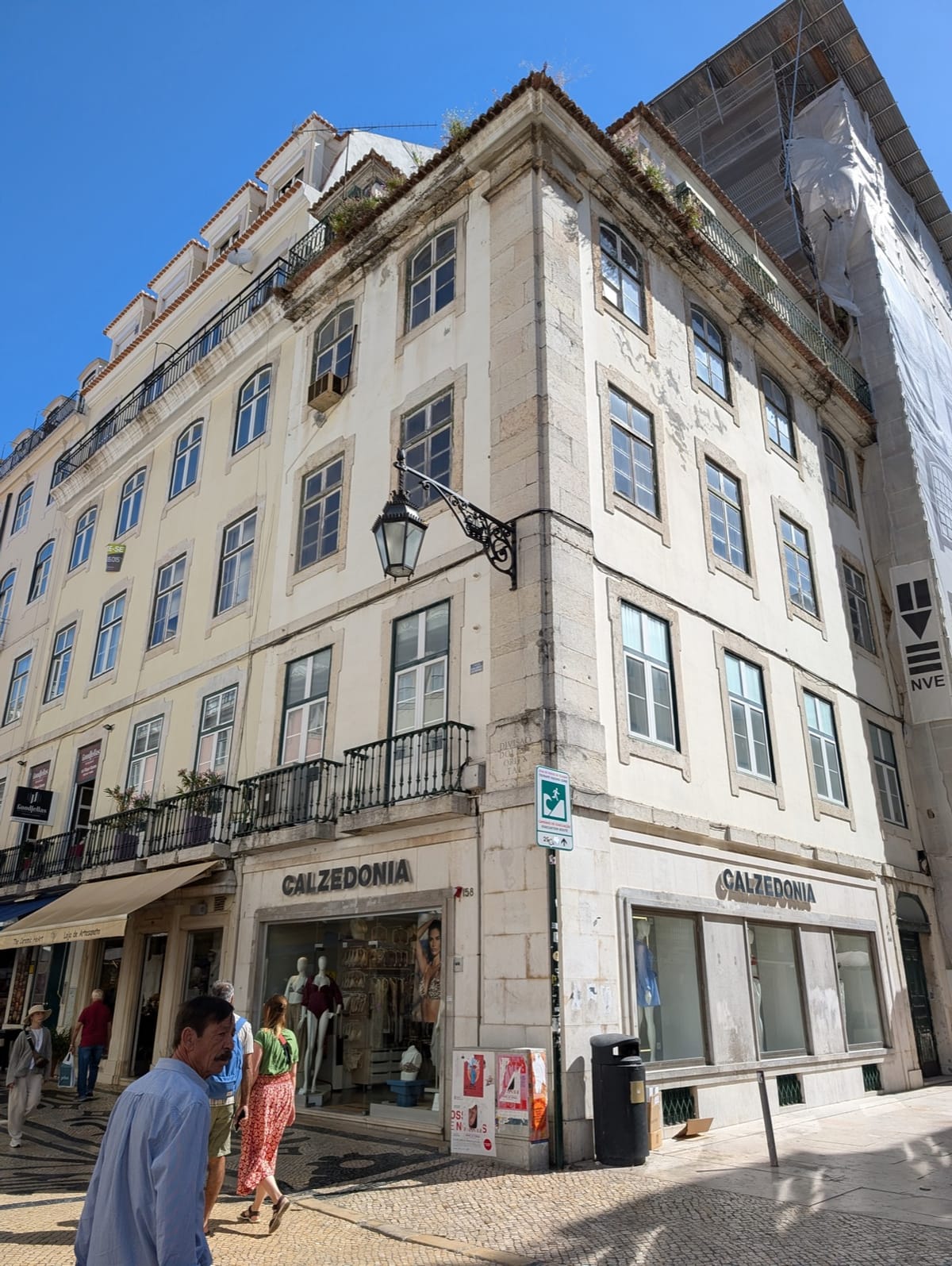
For Portugal's housing market, the stakes are practical. Undivided inheritances are widely blamed for leaving homes empty and buildings decaying, particularly in rural areas and historic town centres. Supporters argue that freeing these properties for sale could add badly needed stock to a strained market; critics worry about heirs being pushed out of family assets against their will. The detail of the implementing rules, due within six months, will decide which fear proves closer to the mark. On the rules that govern access across a neighbour's land, our guide to rights of way in Portugal, covering the servidão de passagem, the landlocked plot that can force one under article 1550, and the twenty years of non-use that ends it sets the latest reference. On what happens when an adult can no longer manage their own affairs, our guide to the maior acompanhado, the regime that replaced interdição in 2018, under which a judge must meet the person face to face, the measures are limited to what is necessary, and the file is reviewed at least every five years sets the latest reference.