Portugal and Spain Strike a First Binding Flow Deal for the Lower Guadiana, Securing the Pomarão Intake for the Algarve
Lisbon and Madrid have agreed the lower Guadiana's first binding flow regime in a new protocol to the 1998 Albufeira Convention, fixing how the shared river is divided at Pomarão and clearing the way for a water intake the drought-hit Algarve has long counted on.
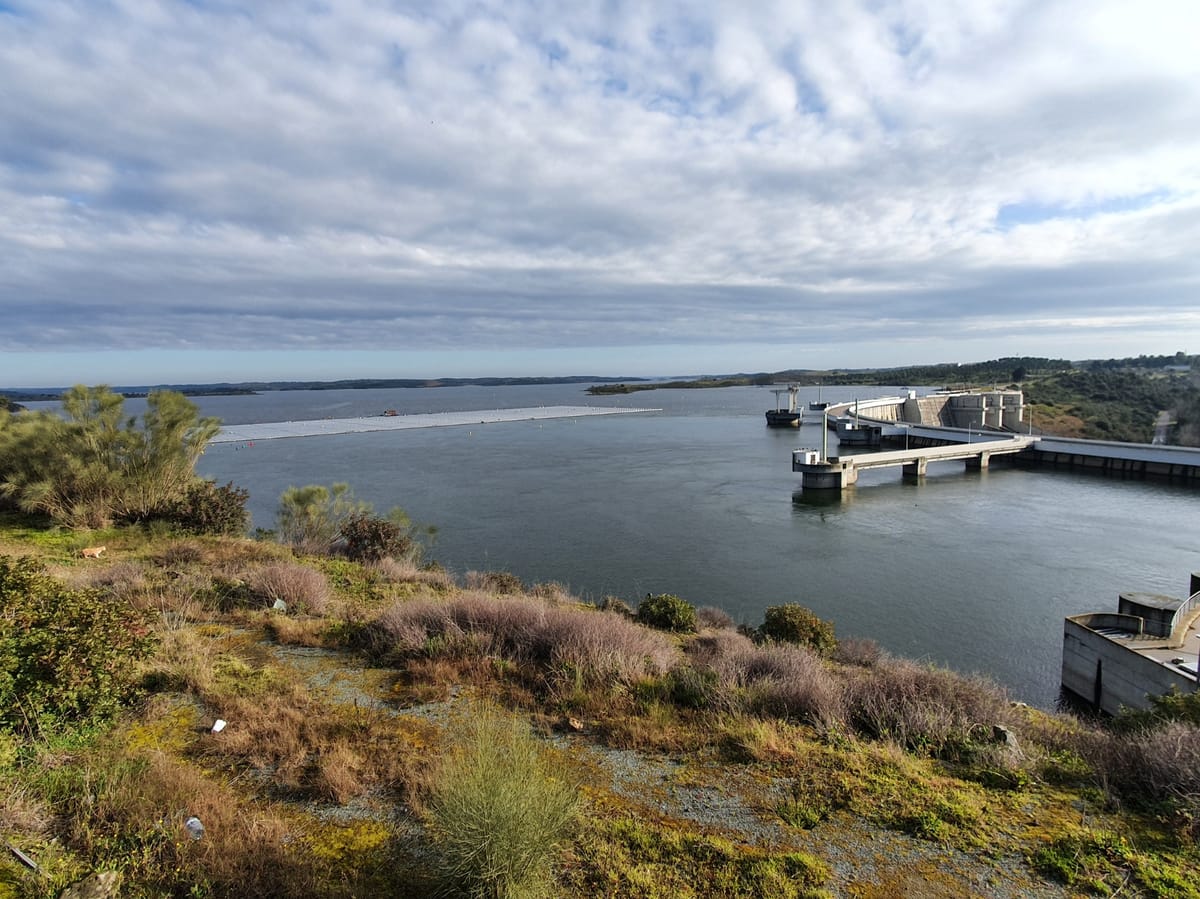
Portugal and Spain have agreed, for the first time, a binding set of rules for how much water must keep flowing down the lower Guadiana, settling a gap that has sat at the heart of the two countries' shared-river treaty for a quarter of a century and clearing the last obstacle to a long-planned water intake that the drought-prone Algarve is counting on.
The deal takes the form of a Second Revision Protocol to the Convenção de Albufeira (Albufeira Convention), the 1998 treaty that governs cooperation between Lisbon and Madrid over the five river basins the Iberian neighbours share — the Minho, the Lima, the Douro, the Tejo (Tagus) and the Guadiana. Portugal's Conselho de Ministros (Council of Ministers) approved a proposal to send the protocol to Parliament for ratification at its meeting on 18 June, alongside a package of other measures.
A Flow Regime Where There Was None
For all its history, the Albufeira Convention never fixed a guaranteed flow for the stretch of the Guadiana that matters most to southern Portugal: the international section that runs down to Pomarão, in the municipality of Mértola in the Beja district, where the river forms the border before reaching the estuary at Vila Real de Santo António. The protocol establishes that flow regime for the first time, setting out how the two states must share the water "with priority given to preserving the good ecological state of the estuary" while balancing environmental needs against farming, industrial and urban use.
That technical-sounding fix carries real weight. Because the river crosses an international border, no major new abstraction could be sanctioned until both governments agreed how much water had to remain in the channel. With a flow regime now defined, the protocol formally recognises two water intakes and the conditions under which each may operate: Pomarão on the Portuguese side and Bocachanza on the Spanish side.
Why the Algarve Has Been Watching
The Pomarão intake is the piece that resonates beyond the negotiating table. Portugal wants to draw water from the Guadiana there and pipe it south to reinforce supply to the Algarve, a region that has lurched through repeated drought cycles and whose reservoirs have at times fallen to alarming levels. Tying a new source into the system is one of the headline responses to a structural water shortage that strains the area every summer, when the resident population is swollen by millions of tourists.
The protocol does not, on its own, build the infrastructure or move a single litre. But by nailing down the legal basis on which water can be taken from an international river, it removes the diplomatic uncertainty that any such project would otherwise carry — and it does so with Spanish consent rather than over Spanish objection, which has been the sticking point in past disputes over how Madrid manages the upstream reservoirs that feed Portugal's rivers.
Guarding the Estuary
The agreement pairs the new abstraction rules with an environmental commitment. The two governments have created a ten-year Long-Term Environmental Programme for the Guadiana estuary, charged with permanently monitoring water quality, the ecological status of the estuary and the advance of the salt wedge — the tongue of seawater that pushes upriver when freshwater flows fall, threatening drinking-water intakes and farmland alike. The clause is an acknowledgement that taking more water from the river upstream cannot be allowed to let the sea creep further in downstream.
For residents, the protocol is less a single event than a foundation. It still has to clear the Assembleia da República (Assembly of the Republic) before it binds Portugal, and the Algarve pipeline it enables remains a project rather than a tap. But it marks a rare moment of settled agreement on a file — Iberian water-sharing — that has more often produced friction than consensus, and it puts on paper the first firm guarantee that the lower Guadiana will not simply be drawn down to nothing.