The EU's New Packaging Rules Reach Portugal This Week, Starting With a Ban on 'Forever Chemicals' in Food Packaging
The EU's sweeping Packaging and Packaging Waste Regulation becomes applicable this week, and the first tangible change is a restriction on PFAS 'forever chemicals' in the wrapping that touches your food.
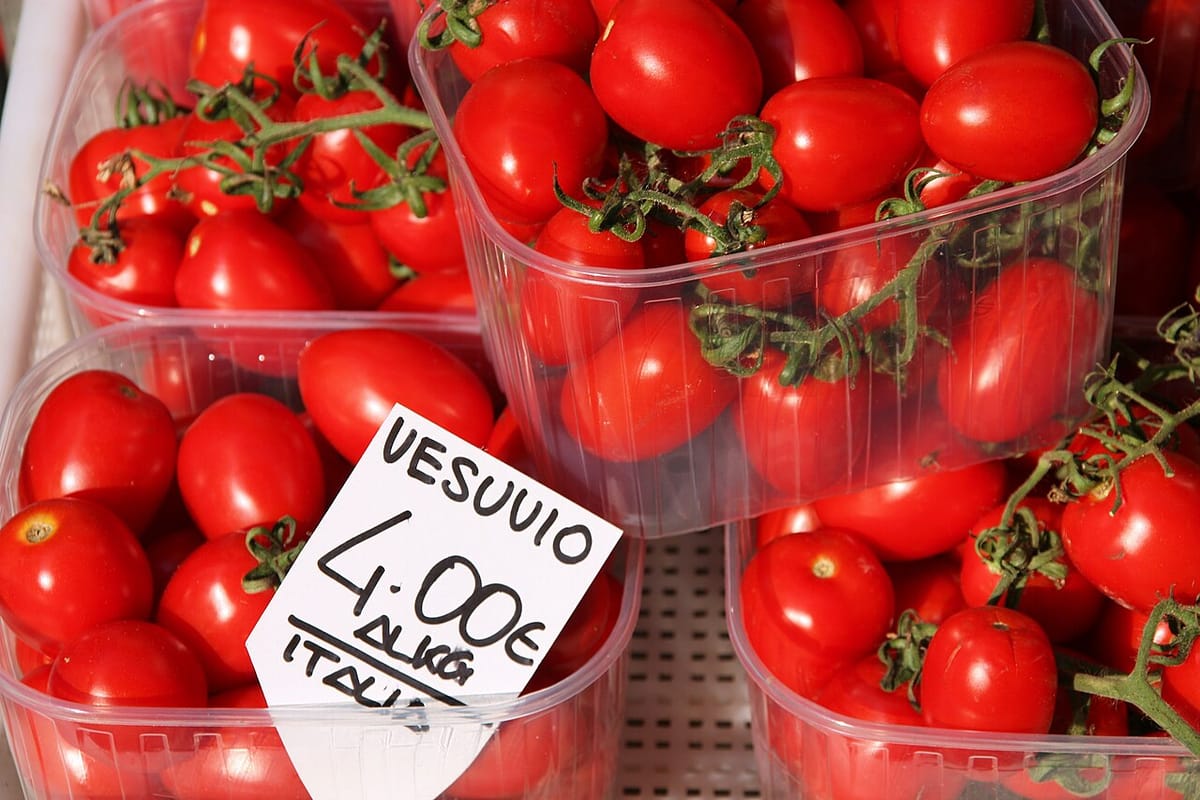
A piece of European law that will quietly reshape everything from your takeaway box to the punnet your tomatoes come in becomes applicable this week. The EU's Regulamento das Embalagens e Resíduos de Embalagens (PPWR – Packaging and Packaging Waste Regulation) starts to bite on Wednesday, and because it is a regulation rather than a directive, it applies directly in Portugal with no national law needed to switch it on. The first visible change is one most shoppers will never see but will benefit from: a restriction on PFAS in packaging that comes into contact with food.
What changes first
PFAS – perfluoroalkyl and polyfluoroalkyl substances, widely known as "forever chemicals" – are prized by manufacturers because they repel water and grease, which is why they end up in food packaging. They are also persistent: they do not break down easily and accumulate in the environment and in the body. From this week, EU limits restrict their use in food-contact packaging, targeting exactly the products where they are most common:
- Takeaway and fast-food containers
- Greaseproof wrapping and bakery paper
- Microwave popcorn bags
- Pizza boxes
The longer timeline
The PFAS limit is only the opening move in a regulation that ratchets up over the rest of the decade:
- This week: PFAS restrictions on food-contact packaging take effect.
- 2028: a harmonised EU labelling system for packaging is due to launch, so that sorting instructions look the same across member states.
- 2030: full implementation, including limits on empty space in boxes (targeting over-packaging), mandatory recycled-plastic content in new packaging, and a requirement that essentially all packaging be recyclable.
For businesses, the immediate obligation is documentary rather than cosmetic: producers and importers must be able to show compliance through shipping documents or invoices, not necessarily through anything printed on the pack. The European Commission has recommended a soft-landing period in which authorities issue warnings before fines, to give supply chains time to adjust.
What this means for you in Portugal
- Nothing to do at the till: packaging will look the same, and the compliance paperwork sits behind the scenes. You do not need to change how you shop.
- Safer food contact: the practical upside is fewer forever chemicals migrating from wrappers into what you eat and drink.
- Costs may nudge upward: reformulating packaging and adding recycled content is not free, and some of that can filter into prices over the coming years.
- Recycling gets more consistent: if you already sort into Portugal's ecopontos, the 2028 labelling standard should make it clearer which bin each item belongs in – useful for newcomers still decoding the yellow, green and blue containers.
- Less over-packaging: the 2030 empty-space rules take aim at the oversized boxes familiar from online deliveries.
This is the kind of EU rule that arrives without fanfare and then, years later, turns out to have changed a small daily habit for hundreds of millions of people. For now, the headline is simple: the wrapping around your food is about to get a little cleaner, and the packaging aisle is on a decade-long path to using less material and more recycled content. On the Portuguese waste and recycling file, the environment minister's admission that the Volta deposit-return scheme has a bin-picking problem, a shortage of machines and a hospitality trade still adjusting is the latest development.