Police Find Older Residents Held in Armchairs With Bed Sheets at an Unlicensed Care Home in Belas, Sintra
Bedroom doors had no handles, medicines sat in food fridges and there was no nursing room, the PSP says. The case is with prosecutors, and the building was judged a high risk for residents.
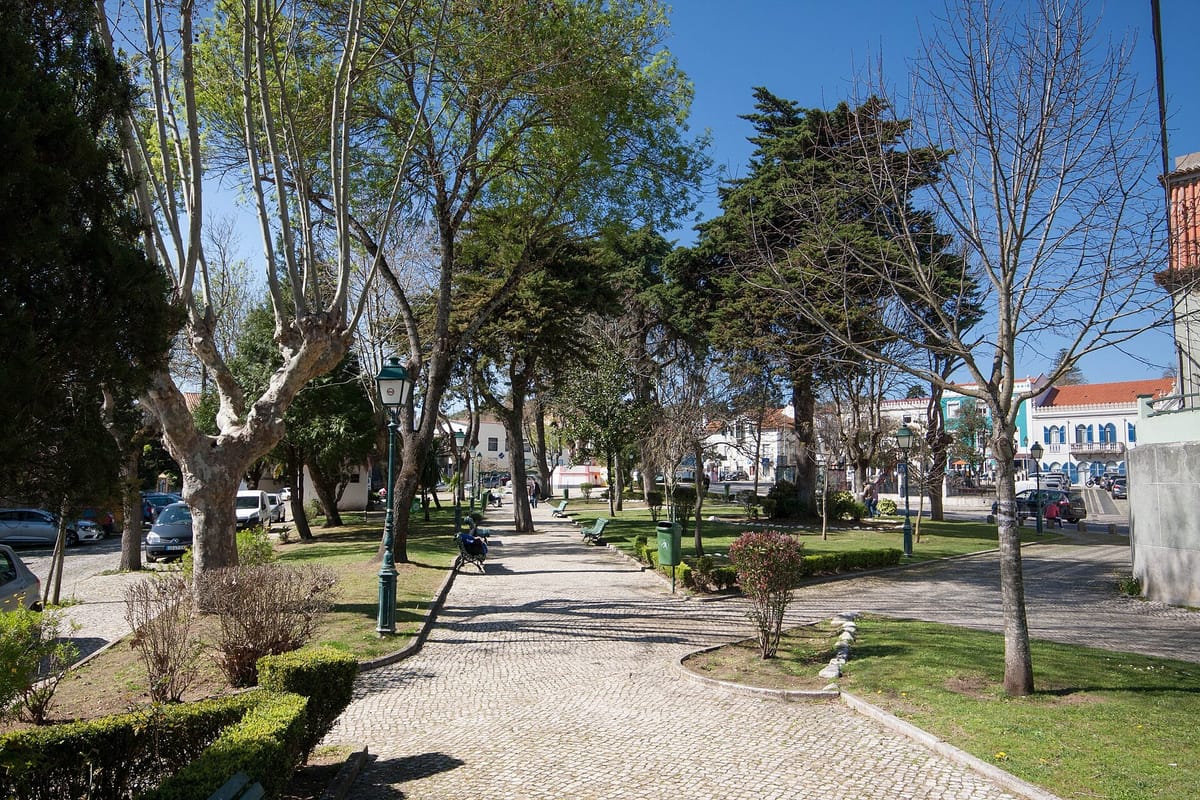
Police inspecting an unlicensed home for older people in Belas, in the municipality of Sintra, found residents isolated in their rooms and held in armchairs with bed sheets, and doors that had no handles on either side, the PSP said on Thursday. The case has been sent to the Public Prosecutor's Office.
The inspection took place last Friday. It was carried out by the Sintra division's police inspection brigade, with Sintra's municipal police, the Amadora/Sintra public health unit, the council's public health and animal welfare department and its civil protection service. According to the PSP's Lisbon Metropolitan Command, the home had already been flagged on suspicion of operating without a licence and in poor conditions of habitability and hygiene.
What the inspectors found
The PSP said it found "serious signs of mistreatment and of danger to public health". Its statement lists:
- older residents isolated in rooms and immobilised with bed sheets tied to armchairs judged unsuitable for that purpose;
- bedroom doors with no handles inside or out, opened with a removable device kept by the key rack, which led police to suspect that residents may be locked in at night;
- medicines stored in fridges meant for food, and failings in how medication was kept and managed;
- no nursing room, and no staff trained to provide primary or geriatric care.
The management justified some of the practices on "safety grounds", the police said. Whether any crime was committed is now for prosecutors to decide.
Sintra's municipal police found that the home lacked the licences and permits required to operate and opened administrative proceedings. The council's civil protection service concluded that the building posed "a high-risk scenario for residents" because of its advanced state of decay: no emergency signs, no clear evacuation routes and no fire detection, combustible material piled up and passages blocked by furniture. Inspectors also noted run-down bathrooms, no ramps for people with reduced mobility, stairs classed as dangerous and improvised fall barriers.
The PSP has not said how many people were living at the home or what will happen to them, and did not name its operator.
More inspections promised
The PSP said it will keep up inspections aimed at "clandestine" operations and at preventing abuse and neglect of older people.
Last month two other cases showed the strain on the sector from different angles: a new 4.4 million euro care home in Mafra opened without being able to admit residents, and an influenza outbreak at an Estremoz home killed four residents.
Checking a home, and raising a concern
Families choosing a residential home (an estrutura residencial para pessoas idosas, or ERPI) can ask to see its operating licence. The Carta Social, the official directory of social facilities at cartasocial.pt, lists homes by municipality, and it is worth checking any home against it.
Anyone who suspects an older person is being mistreated can contact the PSP or GNR, or call 112 in an emergency. The Ombudsman runs a free helpline for older citizens, the Linha do Cidadão Idoso, on 800 20 35 31, on weekdays from 9:30 to 17:30. Relatives who take on care at home may be entitled to support under the informal carer status.