Parques de Sintra Now Employs Five Men Who First Cleared Its Hillsides as Prisoners, and Three of Them Run Teams
The state company manages 1,000 hectares of the serra under protocols with the DGRSP that let inmates in open regime work outside. Five more are on the scheme now. Nationwide, only 158 of roughly 10,000 people serving sentences hold open-regime approval.
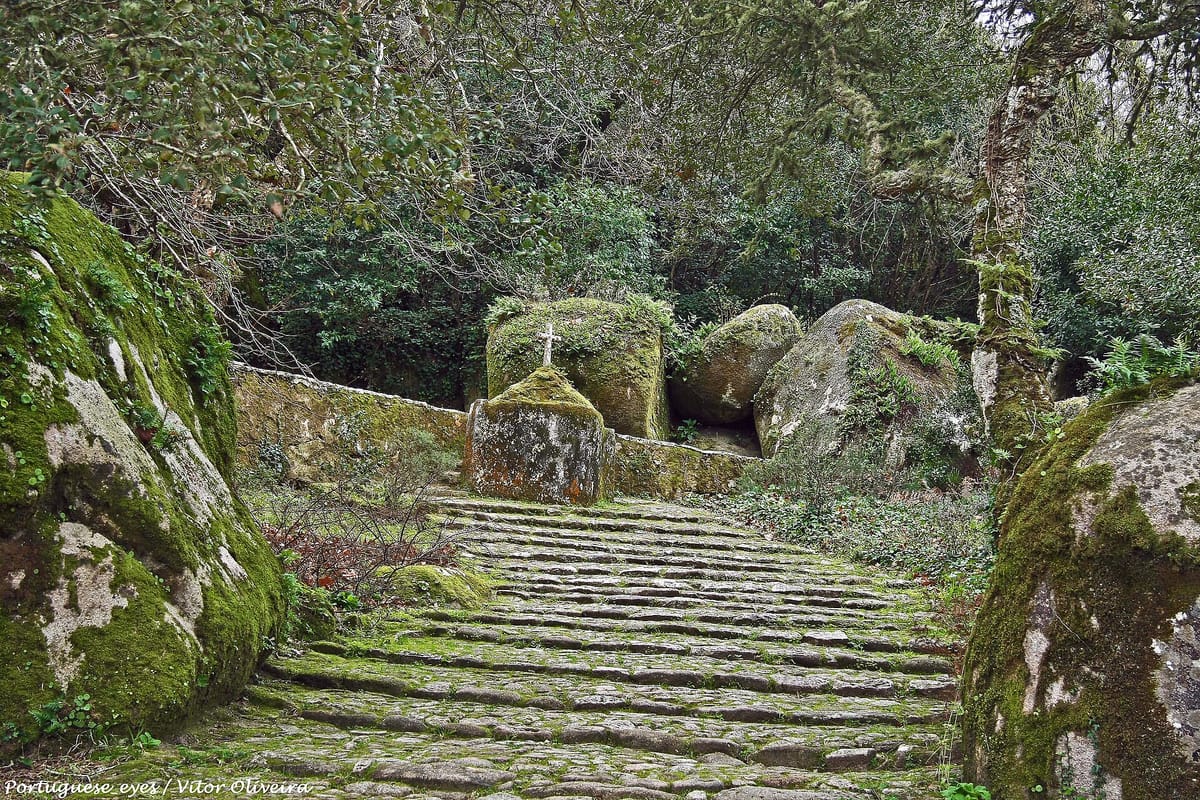
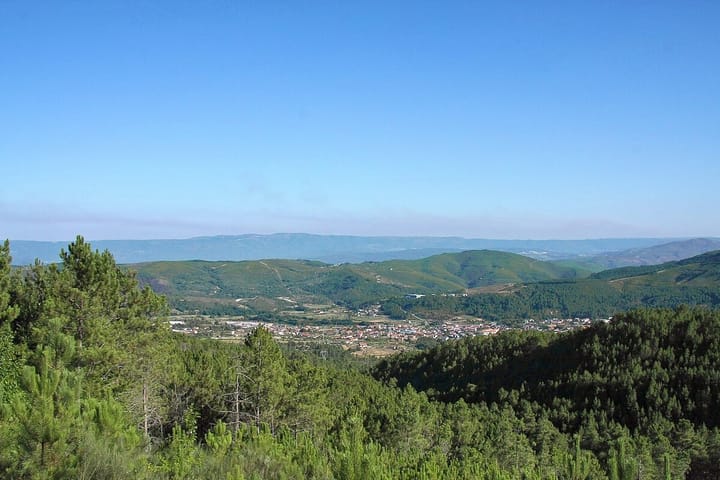
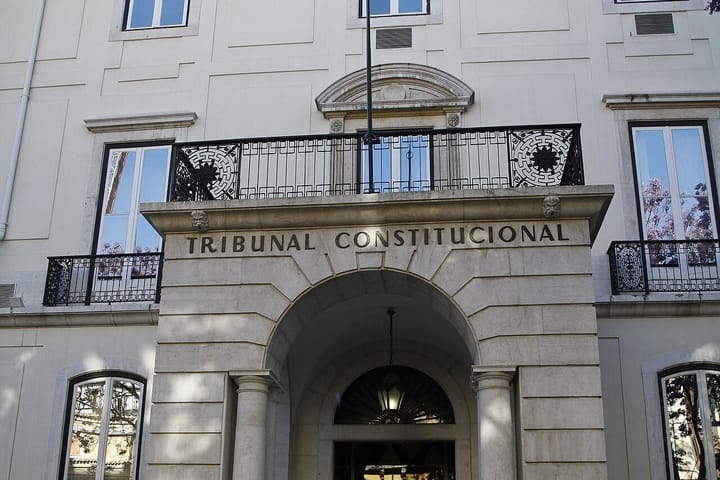
Parques de Sintra-Monte da Lua, the state company that manages the palaces and the 1,000 hectares of wooded hillside around them, now has five permanent employees who first walked those slopes as prisoners. Three of them lead teams. The company clears its forest under protocols with the Direção-Geral de Reinserção e Serviços Prisionais (DGRSP), the prison and probation service, which allow inmates in regime aberto, open regime, to work outside the walls during the day.
Five more men currently serving sentences at nearby establishments are on the scheme now, learning chainsaw work and undergrowth clearance. Their most recent large job was removing the trees that Storm Kristin uprooted at the Parque de Monserrate in January.
How the money works
While still serving, a participant is paid the minimum rate for public-sector work, calculated on days actually worked, plus a meal allowance. The money goes into a prison account rather than a bank account, which is the standard arrangement and the reason these schemes accumulate a release fund rather than spending money. Once a man is released and taken on permanently, he is paid the same as any other employee doing the same job.
Parques de Sintra frames it as two problems solving each other. It has 1,000 hectares that need managing and a shortage of people willing to do that work. The prison service has around 10,000 people serving sentences and, as of 4 August, only 158 nationwide approved for open-regime placements.
The 158
That number is the story behind the story. Open regime is the stage of a Portuguese sentence that most closely resembles ordinary life: work outside, return at night. It is also the stage most closely correlated with not coming back. Fewer than two in a hundred of the people in the system are in it.
António Santos, 61, is one of the three team leaders. He served two sentences for violent offences. After the first, he says, it took him more than a year to find any work at all. He now runs a crew on the same hillside he once cleared under supervision, and describes himself as completely different from the man he was, adding that some of that is simply age.
The Sintra scheme predates, and is separate from, the criminal-policy law that takes effect on 1 September, which pushes courts toward sentencing offenders to forest undergrowth clearance as community work. The distinction matters: one is a sentence, the other is a job with a payslip at the end of it.
What this means for you
- If you walk the serra: the crews you pass in high-visibility gear on the tracks above Monserrate and Pena are doing fuel-load reduction, the single most effective thing anyone can do about wildfire risk in a park that sits directly above tens of thousands of homes.
- If you own land in a protected area: the same clearance obligations apply to private owners inside the Sintra-Cascais Natural Park, and enforcement has tightened.
- If you employ people in Portugal: hiring through DGRSP protocols is a formal, documented route, not an informal favour, and it carries the same labour-law obligations as any other contract.
Portugal spends a great deal of argument on what to do with its forests and rather less on who is available to do it. This is a small answer, five permanent jobs and five current placements, on one hillside. It is also one of the few that has produced a team leader. Update: from 4 October 2026, dogs are allowed in the palace gardens of Sintra and Queluz and at the Capuchos Convent, on a free ticket and a short lead.