Parliament Folds Welfare Subsidies Into a Single Benefit, Unlocking €620 Million in EU Recovery Funds
Parliament approved a bill creating the Single Social Benefit (Prestacao Social Unica), merging non-contributory subsidies and unlocking a request for €620 million in EU recovery funds.
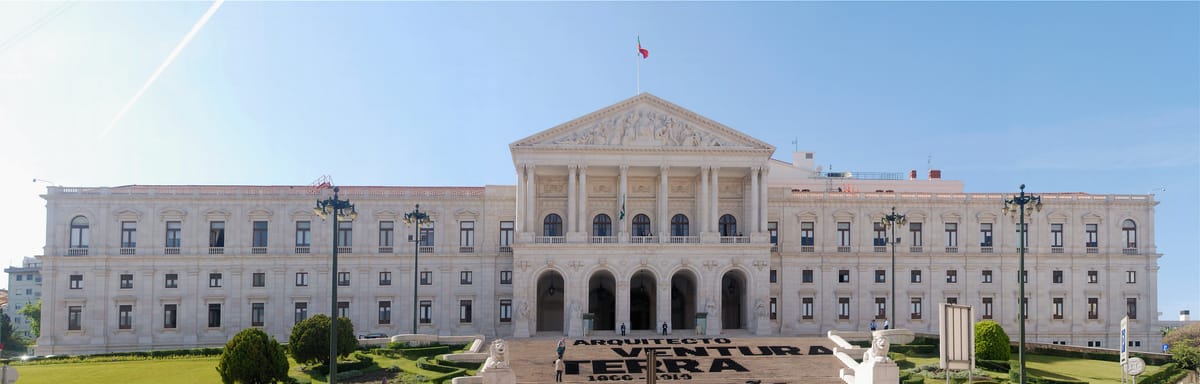
Portugal's parliament on 25 June 2026 passed a bill authorising the Government to create the Prestação Social Única (Single Social Benefit, or PSU), a reform that folds several non-contributory social subsidies into one consolidated payment and unlocks a request for the release of €620 million in European Union recovery funds.
The Assembleia da República (Assembly of the Republic) approved the text in a final global vote. The measure was carried by the governing centre-right coalition of the PSD and CDS-PP, which voted in favour. The PS (Socialist Party) and IL (Liberal Initiative) abstained, while Chega, Livre, the PCP (Portuguese Communist Party), the BE (Left Bloc), PAN and JPP all voted against.
A cross-party compromise
The version that reached the floor was not the Government's first attempt. It emerged from a mid-week agreement between the governing PSD/CDS-PP and the opposition PS, replacing the executive's original draft tabled in late May. That compromise allowed the bill to clear its final hurdle even though the Socialists ultimately abstained rather than endorse it outright.
The Prestação Social Única is designed to merge a range of non-contributory benefits into a single instrument, a step the Government has framed as a simplification of Portugal's welfare architecture. Crucially, the legislation does not yet fix what claimants will actually receive: the monetary value of the benefit is to be established later through a separate decree-law, leaving one of the reform's most consequential questions open.
Eligibility rules and the EU milestone
The approved scheme sets a one-year minimum residency requirement for access to the benefit. It also introduces graduated rules tied to disability. People with a disability of 80 percent or more are exempted from the mandatory social-solidarity activities attached to the scheme, while those in the 60 to 79 percent band face an individual compatibility assessment to determine their obligations.
Beyond its domestic welfare implications, the vote carries a direct fiscal dividend. Approval of the PSU fulfils a milestone of the Plano de Recuperação e Resiliência (Recovery and Resilience Plan, or PRR), the national programme underpinning Portugal's access to post-pandemic EU money. With the milestone met, Lisbon can now formally request the release of €620 million in recovery funds, money tied to the country's reform commitments under the plan.
The vote also exposed tensions on the right. After the ballot, the PSD accused Chega of "siding with the left," a pointed charge given that Chega lined up alongside the PCP, BE, Livre, PAN and JPP in opposing the bill. The framing underscores how the reform, despite its centre-right authorship, drew its decisive support from a compromise with the Socialists rather than from a unified right-wing bloc. With the enabling legislation now passed, attention turns to the forthcoming decree-law that will set the benefit's value and translate the consolidated framework into payments for recipients.