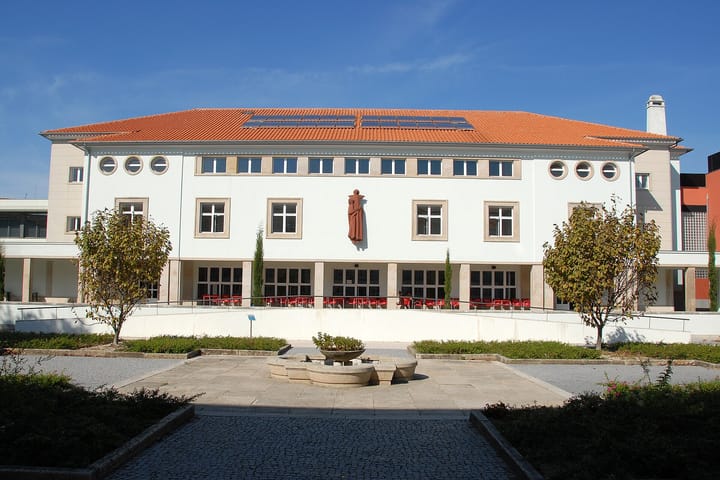
Orthopaedics Becomes the Next Portuguese Emergency Service to Be Concentrated, After the Obstetrics Model Cut Closure Days by Three Quarters
Health Minister Ana Paula Martins told parliament on Tuesday that orthopaedics and traumatology are next for concentrated emergency units, with Lisboa e Vale do Tejo the priority. The same hearing produced two admissions about management delays.
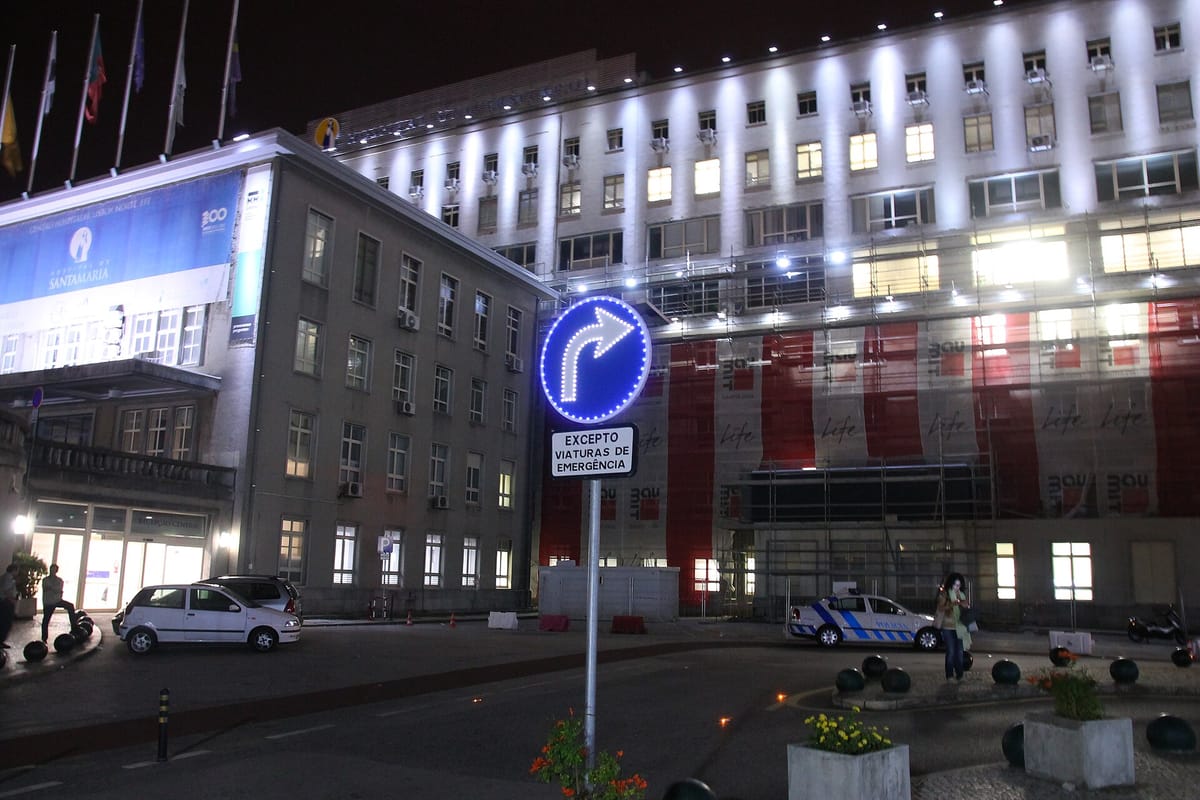
Portugal has spent three years trying to stop its hospital emergency departments closing their doors. On Tuesday the Health Minister told parliament the strategy that worked in obstetrics is now being applied to a second speciality: orthopaedics and traumatology.
Ana Paula Martins was giving her audição regimental (scheduled committee appearance) before the Comissão Parlamentar de Saúde (Parliamentary Health Committee). She confirmed that more urgências concentradas (concentrated emergency services) are coming, that orthopaedics and traumatology are next, and that the Lisboa e Vale do Tejo region is the priority.
The numbers behind the decision
The minister opened with closure data. Through August, the Serviço Nacional de Saúde (National Health Service, SNS) recorded its lowest number of emergency-department closure days in three years: down 67 percent on 2025 and down 80 percent on 2024.
Obstetrics, which she called one of the SNS's most sensitive areas, carried the sharpest fall. There were 1,040 closure days in 2024, 691 in 2025 and 255 through August this year. Two regional obstetrics and gynaecology emergency units were created to get there, concentrating scarce specialists in fewer places rather than spreading them thin across many.
"It was not by chance," Martins said, crediting planning, clear rules and coordination between the ministry, the Direção Executiva do SNS (SNS Executive Directorate), hospitals and staff. She stopped short of declaring victory: obstetricians and anaesthetists remain scarce. "An emergency service that is safe for the patient has to be safe for the professional too."
The vehicle for the next phase already exists. In June the government created a working group to update the Rede Nacional de Urgência e Emergência (National Urgent and Emergency Care Network), tasked with identifying the right location for each response, reviewing referral pathways and proposing centralised models wherever concentrating resources is judged necessary. Martins said the group will be led by Professor António Marques.
The same hearing produced two admissions
Concentration is a policy of scarcity, and deputies pressed on whether the management apparatus is keeping up. First, the Quadro Global de Referência (Global Reference Framework, QGR) for 2026 to 2028, which sets strategic and financial direction for the local health units, took effect on 1 January but was only published this month. Martins accepted "the government's responsibility" for the delay, explaining that the framework has to be negotiated between Health and Finanças. On criticism that its targets lack ambition, including a family-doctor coverage goal frozen at 85.3 percent through 2028, she noted that 87 percent was already reached in August, and conceded: "We were more conservative in Excel."
Second, the new Sistema Nacional de Acesso a Consulta e Cirurgia (National System for Access to Consultations and Surgery, SINACC), which replaces SIGIC and was due to start on 1 August, was postponed because most hospitals did not hold the information needed to run it.
What this means for residents
- Your nearest emergency department may not be the one you are sent to. Concentration means fewer units handling a given speciality, with referral pathways redrawn around them. If you break a bone in the Lisbon region, expect the destination to change.
- Coverage figures hide a regional split. The minister acknowledged the 87 percent family-doctor figure rests on the Centro and Norte regions, where general practitioners are far less scarce than in Lisboa e Vale do Tejo. Newer arrivals concentrate in exactly the region doing worst.
- Waiting-list transparency slips again. With SINACC postponed, surgery and consultation access stays on the older system for now.
Martins rejected the opposition's line that the SNS is "in palliative care," calling it "a work always under construction." Our guide to using the SNS covers registration, family doctors and emergency care, and the closure trend is one we tracked at the half-year mark. The orthopaedics units have no announced date yet.