Nights Above 20 °C Are Becoming More Common in Mainland Portugal, Rising Fastest Along the Spanish Border, a 46-Year Study Finds
A study of 1980 to 2025 data finds tropical nights rising by about 0.7 a decade nationally and by more than two a decade near the Spanish border. What it measured, this summer's run of hot nights, and the DGS advice on heat.
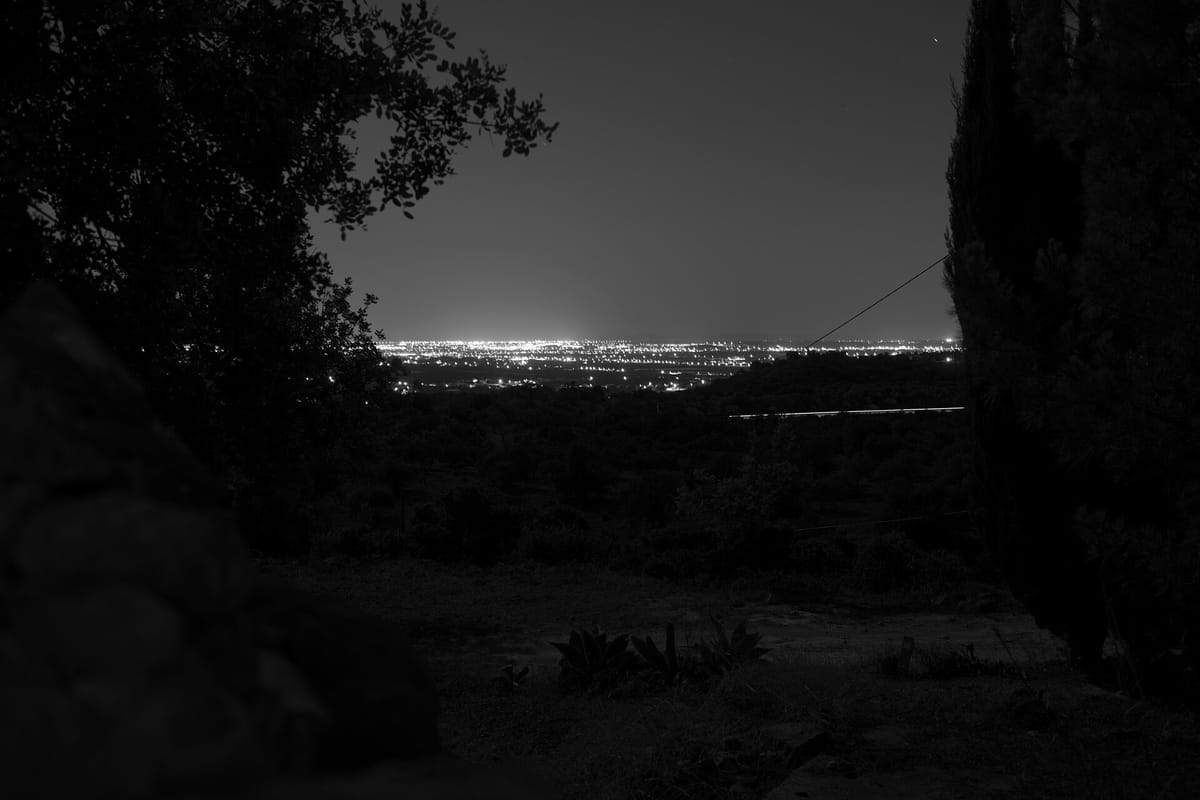
Nights when the temperature never drops below 20 °C are becoming more common across mainland Portugal, and they are increasing fastest along the border with Spain, according to a study of 46 years of data published in the journal Atmosphere. Researchers at the Instituto Superior Técnico in Lisbon and the University of Porto found that the yearly count of these "tropical nights" rose by about 0.7 a decade nationally between 1980 and 2025, and by more than two a decade across 23.38 percent of the country.
Observador reported the findings on 24 October. Its web headline speaks of "up to 40" more tropical nights in 20 years; the study itself gives rates per decade, which work out at roughly 1.4 more tropical nights a year after two decades on the national average and more than four a year in the fastest-warming areas. It does not say Portugal now has 40 more such nights each year.
What the study measured
The team used ERA5-Land, the European reanalysis dataset, on a grid of 1,001 points about 9 km apart, and checked it against daily records from 24 IPMA weather stations. Averaged over the whole period, mainland Portugal had 10.31 tropical nights a year, ranging from fewer than one at some grid points to about 60 at others. Only 17.19 percent of grid points, in the southeast, averaged 20 or more a year.
The authors note that a fixed threshold such as 20 °C is sensitive to small errors in the data. ERA5-Land's minimum temperatures differed from IPMA's station readings by a median of about 0.75 °C, so they re-ran the analysis with the data shifted 1 °C up and down; the trends held. They describe southern and inland regions as "critical hotspots of extreme heat".
The result is in line with earlier work. A study led by IPMA climatologist Fátima Espírito Santo, covering 23 stations from 1941 to 2006 and published in the International Journal of Climatology in 2013, also found more tropical nights, especially in spring and summer, with warming stronger after 1976.
This summer's nights
IPMA's July 2026 climate bulletin shows what that looks like in practice. From 3 to 5 July, between 50 and 60 percent of its stations recorded a minimum of 20 °C or more. Vila Real de Santo António, Albufeira, Faro, Olhão, Fóia, Barreiro and Portalegre each had eight such nights in a row, and Vila Real de Santo António had 17 in the month. We reported on the record warm nights of summer 2026 and on the year's heatwave record this month.
Why hot nights matter for health
The Directorate-General of Health's end-of-summer report, published on 2 October, links the periods when heat significantly raised mortality this year to "extreme heat and the occurrence of tropical nights". It estimates three spells of excess deaths: 62 on 16 June, 555 from 2 to 8 July and 63 on 23 July, concentrated among people aged 75 and over.
The DGS advice for hot spells is to:
- drink more water;
- avoid the sun between 11:00 and 17:00;
- seek shade and air-conditioned places;
- wear light clothing that covers the body;
- check the forecast and follow DGS guidance.
It singles out people with chronic illness, older people, children, pregnant women, outdoor workers, and people who are homeless or socially isolated. If you live alone or care for someone in those groups, a run of warm nights is the time to check in. The first publicly funded climate refuges, free shaded spaces with seating and water, are being set up for the hottest days.