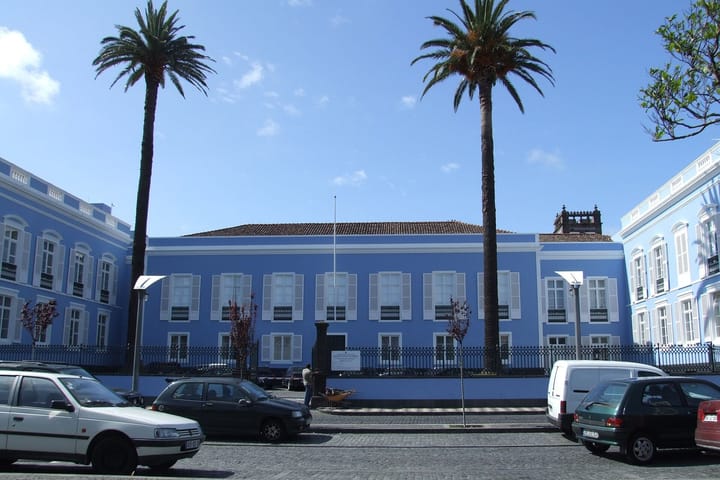
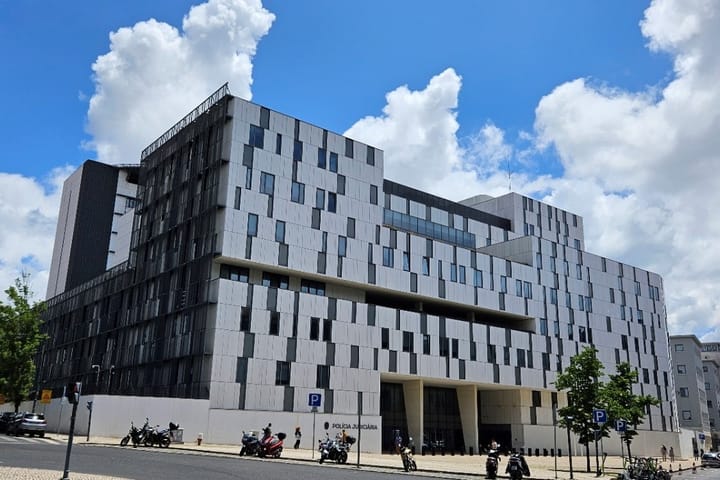
Turismo de Portugal Funds Its First Three Climate Refuges, in Lisbon's Arroios, a Trancoso Village and Praia de Mira
The tourism authority is putting 210,000 euros into free shaded spaces with seating and drinking water, open at least from 11:00 to 17:00 on the hottest days.
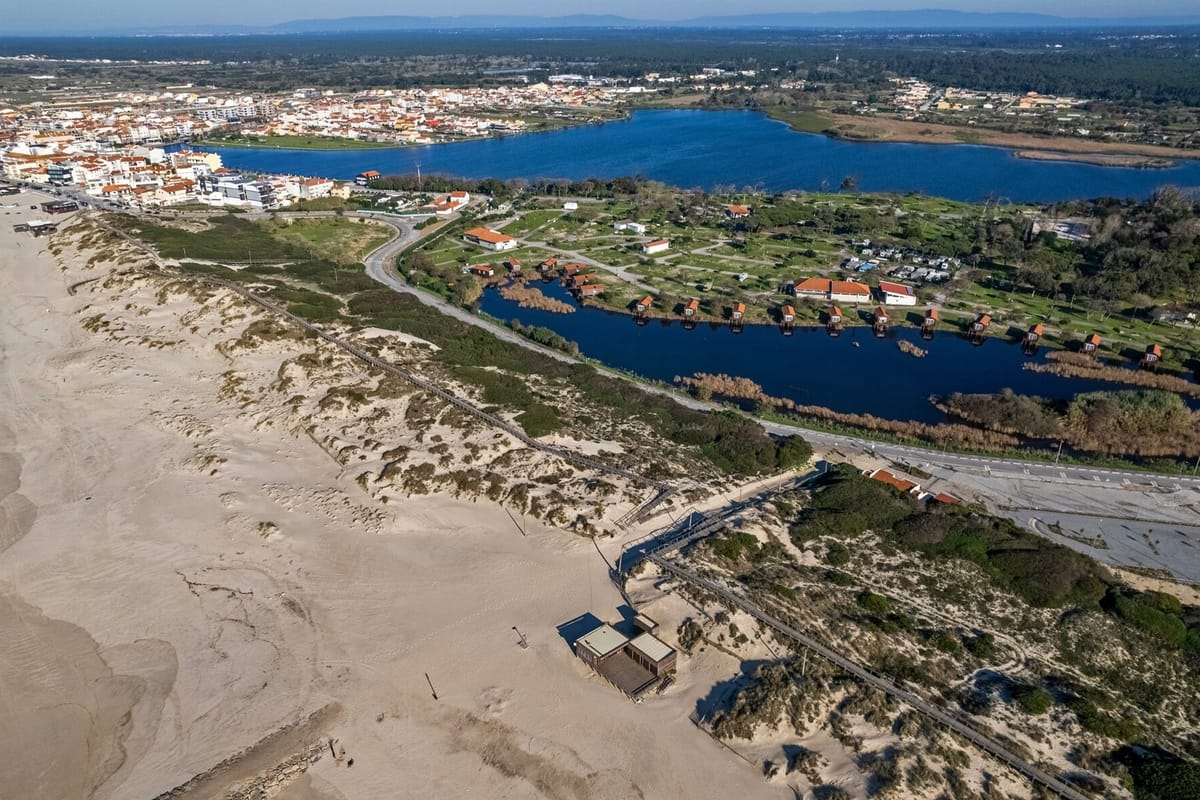
Turismo de Portugal has signed its first three funding contracts for "climate refuges": free public spaces where people can rest in the shade, sit down and drink water on the hottest days. The national tourism authority is putting 210,000 euros into projects in Arroios, in central Lisbon, in Valdujo, a parish in the municipality of Trancoso, and in Praia de Mira, on the coast of the Coimbra district.
Together the three projects are worth more than 282,000 euros. Turismo de Portugal announced the contracts in a statement on Tuesday, describing them as the first under its funding line for creating and upgrading climate refuges.
The three projects
- Arroios, Lisbon: the parish council will create a climate refuge around the Mercado do Forno do Tijolo, at a cost of 74,592.77 euros, of which Turismo de Portugal pays 59,674.22 euros.
- Valdujo, Trancoso: the parish will upgrade its motorhome service area and the leisure space around it, an investment of 93,743.27 euros with 74,994.62 euros of support.
- Praia de Mira, Mira: a project called "Praia da Mira Stay Cool" will create three spaces, named Jardim Mar, Largo Calcinhas and Varanda Verde, for 113,867.12 euros, with 75,000 euros of support.
According to Turismo de Portugal, all three aim to improve public spaces by adding greenery, creating places to rest and installing features that reduce the effect of high temperatures.
What counts as a climate refuge
The rules are short. A climate refuge must be free to enter, with no obligation to buy anything, and open at least from 11:00 to 17:00 on the hottest days. It must offer seating and access to drinking water, as well as thermal comfort.
The idea is not limited to new outdoor spaces. Público reported on Tuesday that a network of 226 free climate refuges already exists across the country, some of them in existing public buildings, and that more are planned.
"Climate refuges are a concrete response to the challenges that climate change poses to territories and to the way we live in and visit our destinations," said Carlos Abade, president of Turismo de Portugal, in the statement. He said the support was meant to create greener, more accessible public spaces better prepared for periods of intense heat, for local communities as well as visitors.
Why it matters
This year the heat stretched well past summer. September 2026 broke mainland Portugal's heat record, with daytime highs 4.21 °C above normal, after the third hottest summer since 1931, which brought record warm nights to Lisbon and Coimbra. Shade, a bench and a water fountain within walking distance matter most to older people, young children and anyone living in a home that is hard to keep cool.
The sums involved are small, and the three contracts are the first under the funding line. But they show where public money for heat adaptation is beginning to go: into ordinary squares, markets and seafronts, not just air-conditioned buildings. If you live near one of these sites, your parish council (junta de freguesia) is the place to ask about timetables for the works.