New EU Rules on Scrapped Cars Take Effect, Promising Cheaper Used Parts and a Clampdown on Exporting Old Vehicles
A new EU regulation on end-of-life vehicles takes effect on 13 August, tightening recycling rules and cracking down on the export of unroadworthy cars from mid-2031. For Portuguese drivers it should mean cheaper second-hand parts, at an estimated lifetime cost of under €70 a vehicle.
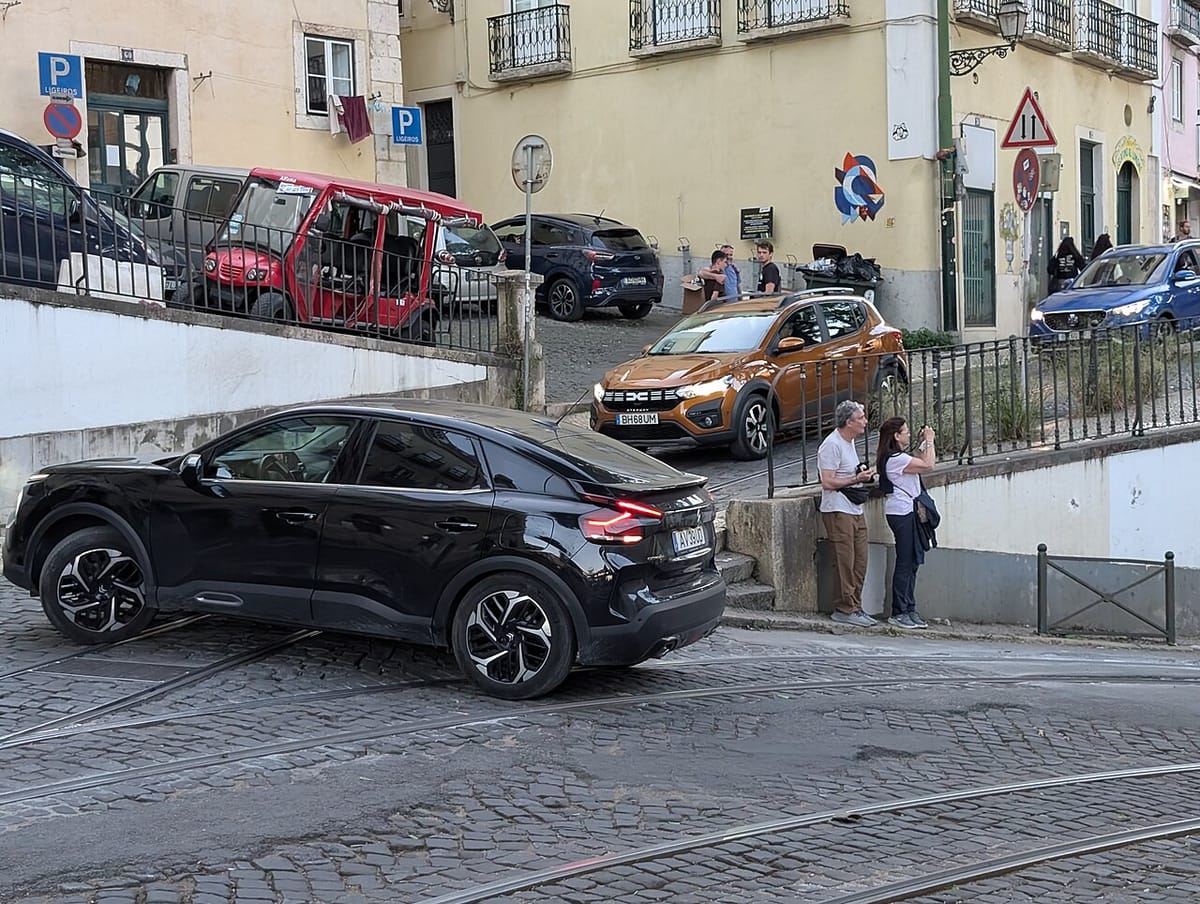
A sweeping new European Union regulation on scrapped cars comes into force on Thursday, 13 August, reshaping how vehicles across Portugal are eventually recycled, resold for parts or exported. The rules, which cover the entire life of a car from design to disposal, aim to keep valuable materials such as steel, aluminium, copper and rare earths inside the European economy and cut the bloc's dependence on imported raw materials. For Portuguese drivers, the promise is cheaper second-hand parts — but also a tighter clampdown on shipping old vehicles abroad.
The scale of the problem is large. Between 10 and 12 million vehicles reach the end of their life in the EU every year, and Brussels estimates that around 3.5 million simply vanish from Europe's roads annually, either exported or scrapped illegally. The automotive sector is a heavy consumer of resources, accounting for 42% of the EU's aluminium use, 44% of its magnesium and 63% of its platinum-group metals, so recovering those materials from dead cars is as much an industrial-strategy goal as an environmental one.
What changes, and when
Most of the headline obligations are phased in over the coming decade. From 2032, at least 15% of the plastic in new vehicles must be recycled, rising to 25% by 2036, with targets for recycled steel and aluminium due from 2033. Carmakers will also have to design vehicles that are easier to take apart, and provide workshops with better information on removing and replacing components — a change meant to widen the supply of cheaper used spare parts.
The rules also redefine when a car is legally "end-of-life." A vehicle qualifies when it is beyond economic repair — in principle, when the cost of fixing it exceeds its market value — rather than simply because of its age, make or model. Classic and historic vehicles are explicitly excluded. Swapping major parts such as the engine, gearbox, body or chassis remains allowed, provided the car still meets safety requirements and can legally circulate. For how scrapping works in Portugal today, from the certificate of destruction to the free drop-off, see our guide to scrapping a car.
One of the most consequential provisions targets exports. From the middle of 2031, only vehicles that are genuinely roadworthy will be allowed to leave the EU, closing a loophole that has seen more than 800,000 used cars shipped out each year — many old and highly polluting, and largely bound for Africa. The regulation also strengthens "Extended Producer Responsibility," forcing manufacturers to help fund the collection and treatment of the cars they once sold.
What This Means for Expats
- Cheaper repairs, eventually: A bigger, better-regulated supply of used parts should lower maintenance costs — useful in a country where many residents run older imported cars.
- A modest upfront cost: Brussels estimates the new rules will add under €70 to the lifetime cost of a vehicle, offset over time by cheaper second-hand components.
- Scrapping gets stricter: If you plan to write off or export an old car from Portugal, expect tighter paperwork and roadworthiness checks from 2031, and use a licensed dismantler.
- Watch the local scheme: Portugal's motor-trade association ACAP is separately pushing for a scrappage programme offering cheques of up to €5,000 to retire 40,000 of the oldest cars — worth tracking if you drive an ageing vehicle.
The European Commission expects the regime to cut 12.8 million tonnes of CO2 by 2035 and create around 22,000 jobs, mostly in small recycling and dismantling firms. For now, the immediate effect on Portuguese motorists is limited — but the direction of travel is clear: fewer old bangers exported, more of them stripped for parts closer to home. On the Portuguese industrial-investment tape, our report on SRAM breaking ground on a third Coimbra factory, a 57.5 million euro project carrying 527 contracted jobs and 16.9 million euros of state support, due to open in the middle of 2028 sets the latest reference.