Lula Carried Portugal's Brazilian Vote With 52.5 Percent, but Seven in Ten Lisbon Voters Stayed Home Before the 25 October Runoff
Flávio Bolsonaro won in Faro and nationally edged ahead, 47.4 percent to 44.7, sending Brazil to a second round. Several dozen voters in Lisbon were turned away with out-of-date registrations.
Brazilians living in Portugal backed President Luiz Inácio Lula da Silva in Sunday's presidential election, but far fewer of them turned out than the consulates had prepared for. Across the three polling areas in Portugal, Lula took 52.5 percent of the valid vote (26,401 votes) against 38.6 percent (19,412) for Flávio Bolsonaro, according to the figures published by Brazil's Superior Electoral Court (TSE).
In Brazil as a whole the result went the other way. With 97.24 percent of polling sections counted, Flávio Bolsonaro had 47.43 percent of the valid vote and Lula 44.69 percent. Neither reached the 50 percent needed to win outright, and the TSE declared the race mathematically headed for a second round, which will be held on Sunday 25 October.
Lisbon and Porto for Lula, Faro for Bolsonaro
Brazil counts its overseas vote by consular area, and the three in Portugal split differently.
- Lisbon: Lula 14,948 votes (53.51 percent), Flávio Bolsonaro 10,548 (37.76 percent), from 27,936 valid votes.
- Porto: Lula 10,356 (52.49 percent), Flávio Bolsonaro 7,559 (38.32 percent), from 19,726 valid votes.
- Faro: Flávio Bolsonaro 1,305 (48.88 percent), Lula 1,097 (41.09 percent), from 2,670 valid votes.
Flávio Bolsonaro, a senator and the son of former president Jair Bolsonaro, is trying to return the presidency to his father's camp four years after Lula beat Jair Bolsonaro in 2022. Lula, 80, is seeking a fourth term.
Seven in ten stayed away in Lisbon
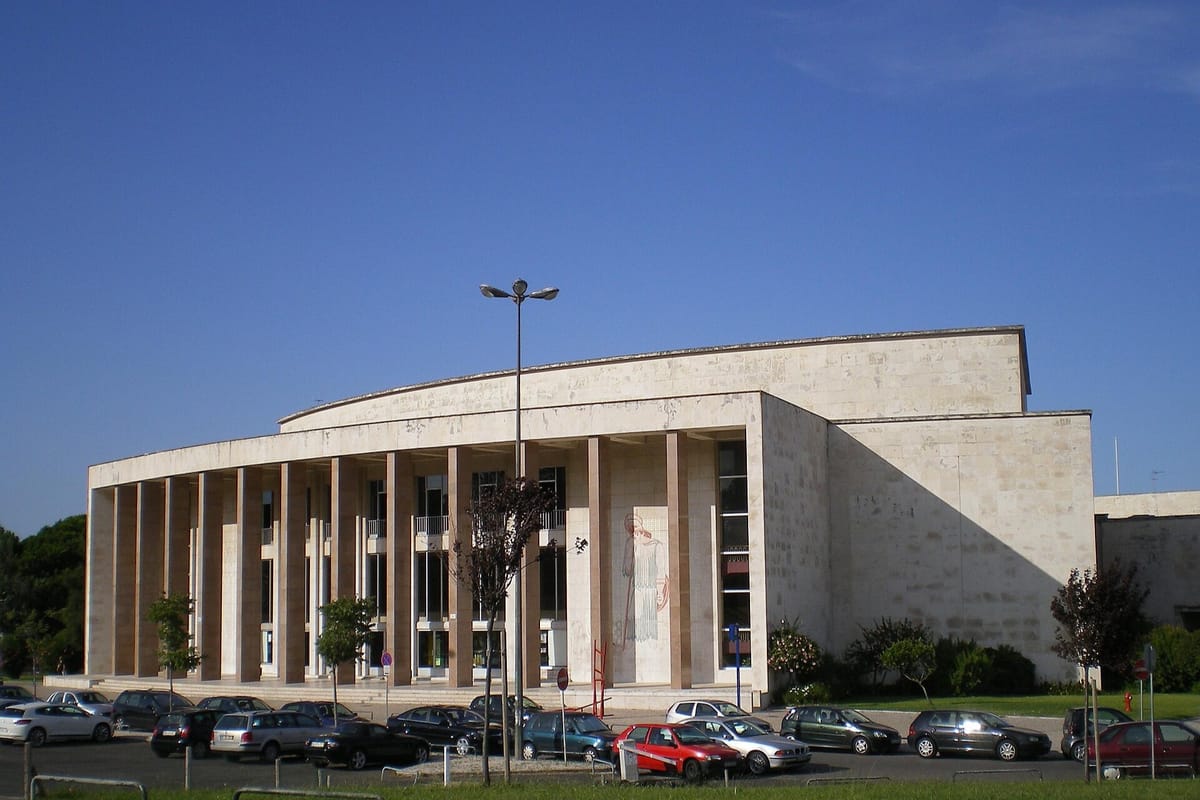
More than 134,000 Brazilians were registered to vote in Portugal, which is Brazil's second-largest electorate abroad after the United States. Lisbon alone had about 79,000 voters registered, Porto more than 47,000 and Faro close to 9,000. Voting in Lisbon was spread across three University of Lisbon buildings (the Rectorate, the Law Faculty and the Faculty of Letters), Porto voted at the engineering school ISEP, and Faro at the consulate.
Brazil's consul general in Lisbon, Alessandro Candeas, put abstention in the capital at 70 percent. He suggested that Monday's Republic Day holiday may have led some voters to travel, and that others found it hard to get to Lisbon. Turnout abroad, he said, is usually closer to 50 percent, and was also higher in 2022. In Porto, abstention passed 50 percent.
Candeas said voting ran without incidents and every electronic voting machine worked. He did, however, report "several dozen" people who could not vote because their voter registration was out of date, had not been transferred to Portugal, or was valid only in Brazil. The TSE's deadline for updating a voter title was in May.
On documents, the consul said Brazilian law accepts any official Brazilian document with a photo, and that polling staff were told to accept Portuguese residence documents from long-standing residents who no longer hold a Brazilian passport.
What happens on 25 October
The same polling places will be used for the second round, and the consul said the whole structure is already in place. With turnout this low, the consulate is preparing an appeal for more Brazilians in Portugal to vote. Voting is compulsory in Brazil for literate citizens aged 18 to 70. In the first round, polls in Portugal closed at 17:00.
Our preview of the first round sets out how the overseas vote works. Brazilians who live in Portugal and want rights closer to those of Portuguese citizens can read our guide to equal rights status.