Lawyers Are Queuing Before Dawn Outside a Lisbon AIMA Office for Thirty Minutes of Service, the Bar Association's President Says
Joao Massano visited the Loja dos Anjos and sorted the failures into four groups: waits with no shelter, a portal carrying wrong or outdated information, files that cannot move between offices, and no fast channel for urgent cases.
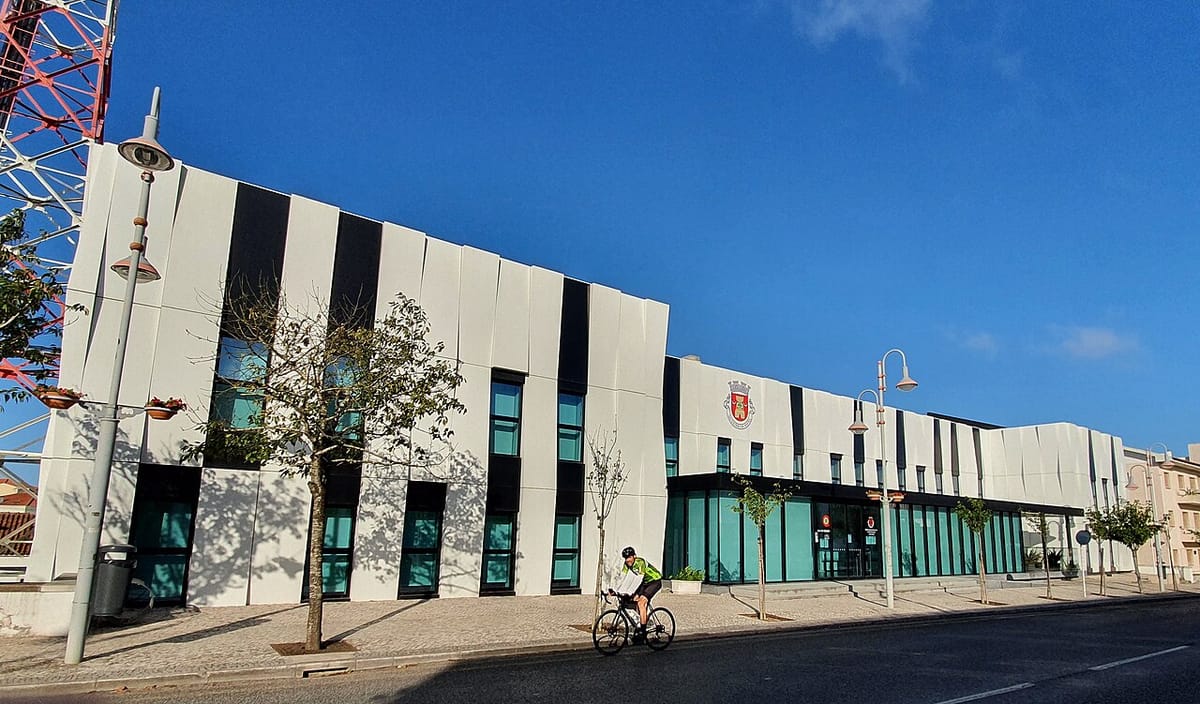
The head of Portugal's legal profession went to see an AIMA counter for himself, and came away describing lawyers who arrive before dawn and stand in the street to secure thirty minutes of service. João Massano, bastonário (president) of the Ordem dos Advogados (Portuguese Bar Association), visited the Loja dos Anjos in Lisbon, one of the walk-in offices of the Agência para a Integração, Migrações e Asilo (Agency for Integration, Migration and Asylum), to test against reality what his members had been telling him from across the country.
His verdict, issued in a statement, was that nothing had been exaggerated. "What was observed there confirms, point by point, what colleagues have been reporting from all over the country," he said, adding that in an essential public service the lawyer still finds no conditions worthy of the status the law grants: that of an essential element in the administration of justice.
Four categories of failure
Massano sorted the problems into four groups.
- In-person service: long waits, a cap on the number of senhas (queue tickets) or on the time allotted to lawyers, too few staff, no climate control, and no shelter from rain or heat while people wait outside.
- Information and communication: the AIMA portal continues to publish information that is "wrong, incomplete or outdated"; the agency declines to give case updates by telephone; emails go unanswered; and it is extremely difficult to establish who is handling a file or what stage it has reached. Holders of an Autorização de Residência para Investimento (residence permit for investment activity, the golden visa) still cannot get adequate, complete and current access to their case status.
- Case handling: a file attached to one branch is very hard to deal with at another, even where geographic proximity or proven need would justify it, and procedures differ markedly from one AIMA office to the next.
- Paperwork and channels: changing a registered address is cumbersome, which directly affects whether official notifications arrive; applications sent by post with a request for a stamped receipt are not coming back, leaving no proof of filing; and there is no fast, dedicated route for asking that a stalled file be moved along or for flagging genuinely urgent cases.
Why this is not a lawyers' grievance
Massano framed the complaint around clients rather than professional dignity. "When a lawyer waits before dawn, standing, at the door of a public service, to get thirty minutes of attention, it is not only the dignity of the forensic mandate that is affected: it is the right of thousands of citizens to effective representation," he said. "Behind every stalled case there is a suspended life: a family to be reunited, an employment contract to be regularised, a future postponed."
The visit lands on a documented pattern rather than one bad morning. In May, AIMA reimposed a ten-ticket daily cap on lawyers at its Porto office, limiting each advogado to three cases inside a four-hour window. Earlier this month it reported a record 55,000 family-reunification bookings, while lawyers countered that fewer than three in ten produce a residence card, and its regularisation drive has left roughly 30,000 "complex" files from a backlog that once approached a million. Parliament has separately been asked to create specialised immigration courts, partly because AIMA litigation is dragging down the administrative courts' own performance figures.
What the Bar wants
The Ordem dos Advogados says it will now put its findings to AIMA and press for answers. Its headline proposal is technical rather than rhetorical: an IT platform that gives a lawyer direct, authenticated access to every file belonging to their clients, so that establishing the state of a case does not require a physical queue at 5am. Massano signalled that patience has limits, saying that "dialogue is not to be confused with resignation, nor institutional courtesy with silence."
What this means for you
- Hiring a lawyer does not buy you a shortcut: your representative faces the same ticket caps and counter limits as everyone else. Ask any lawyer you engage how they actually obtain case updates before you sign.
- Keep your address current, and prove it: notifications hinge on the registered address, and address changes are one of the flagged pain points. Keep dated evidence of every change you request.
- Do not rely on the portal alone: the Bar says its information is at times wrong or stale. Treat it as an indication, not a record, and keep your own file of submissions, receipts and reference numbers.
- Posting documents carries a risk: if stamped copies are not coming back, use a method that generates independent proof of delivery, and photograph the envelope's contents first.
AIMA has not yet responded publicly. The agency is roughly two years into absorbing the caseload of the abolished Serviço de Estrangeiros e Fronteiras (Immigration and Borders Service), and its performance is now a recurring subject in Parliament, in the administrative courts, and in a formal complaint from the body that regulates every lawyer in the country. Whether an access platform materialises will be the practical test of whether this visit changed anything.