Judicial Police Seize Five Tonnes of Cocaine From a Container Ship Off Sines
In the operation codenamed Skydrop, the PJ intercepted a Panama-to-Morocco container ship some 640 nautical miles off Lisbon, seized around five tonnes of cocaine and detained three people.
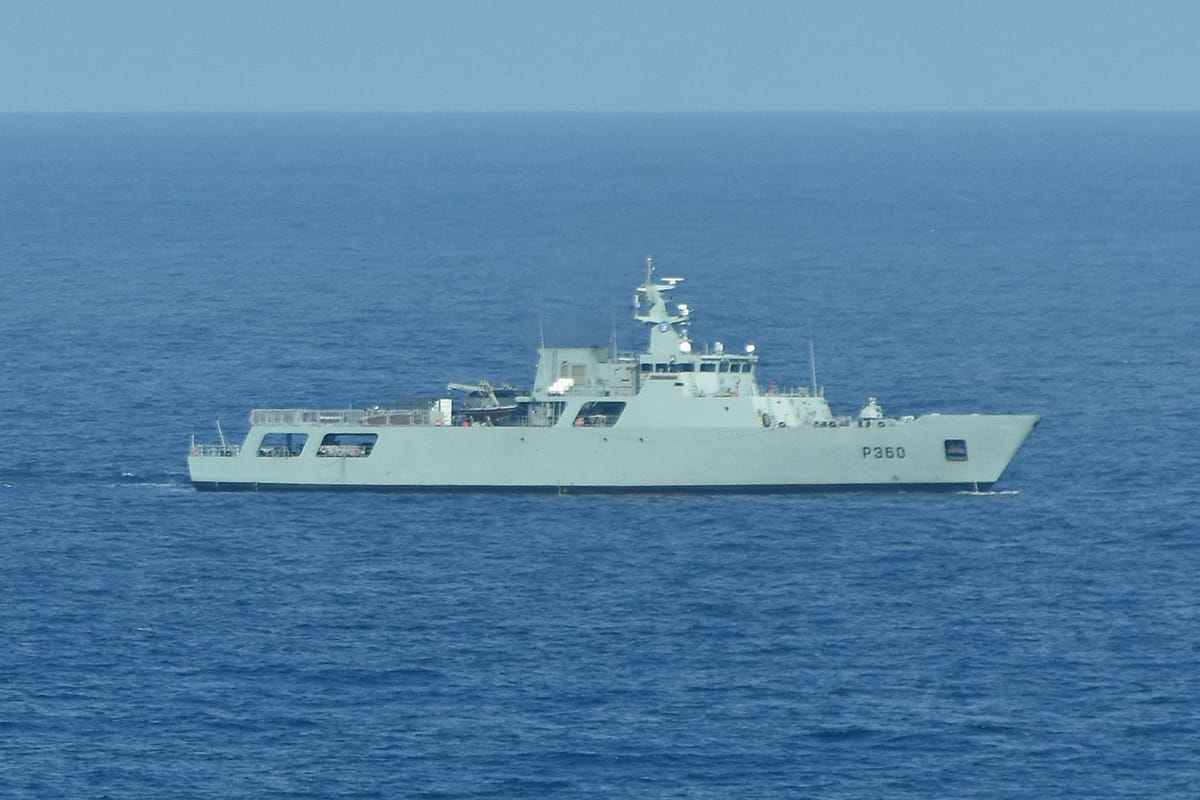
Portugal's Polícia Judiciária (Judicial Police, PJ) has seized around five tonnes of cocaine from a container ship intercepted in the Atlantic and escorted to the port of Sines, in one of the largest drug hauls landed on Portuguese soil this year. Three people were detained in the operation, codenamed "Skydrop."
According to the PJ, the vessel had sailed from the port of Colón, in Panama, and was bound for Tangier, in Morocco, when it was tracked crossing the Atlantic. The ship was intercepted roughly 640 nautical miles from Lisbon and boarded at sea in what investigators described as extremely difficult conditions, before being brought into Sines early on Tuesday morning.
A multinational operation
The interdiction drew on an unusually broad coalition of agencies. Alongside the PJ, the operation involved the Portuguese Navy and Air Force, the Lisbon-based Maritime Analysis and Operations Centre – Narcotics (MAOC-N), Britain's National Crime Agency and Spain's Polícia Nacional (National Police). MAOC-N, which coordinates naval and air assets from several European states against transatlantic trafficking, has become a fixture of major Atlantic cocaine busts.
Investigators said the effort dismantled a criminal group dedicated to "introducing large quantities of drugs into the European continent." The inquiry, they added, had been running since earlier in the month.
Who was detained
Of the three people arrested, two were passengers travelling aboard the ship in what the PJ called a "clandestine and irregular" situation, while the third was a member of the crew suspected of taking part in the scheme. After being unloaded and processed at Sines, the container ship left the port on Wednesday morning at 09:55.
The seizure fits a well-established pattern. Portugal's long Atlantic coastline and its deep-water ports — Sines chief among them — sit directly on the maritime routes that link South American producers to European markets, making the country a recurring transit and interception point rather than a final destination for the cargo.
The bigger picture
European seizures of cocaine have run at record levels in recent years, driven by surging production in the Andes and the growing use of legitimate container traffic to move the drug. Sines, one of the busiest container terminals on the Iberian Atlantic, has featured in several of the largest interceptions handled by Portuguese authorities.
For residents, the practical takeaway is narrow: operations of this kind are the product of international naval cooperation far offshore and have no bearing on day-to-day safety on land. They do, however, underline why Portugal's ports and coastline draw such sustained attention from European anti-trafficking agencies — and why a haul measured in tonnes, not kilos, no longer counts as a surprise.