Hovione Pours €200 Million Into a New Seixal Medicines Factory Due to Open in 2027
Portuguese pharmaceutical group Hovione is investing €200 million in a new medicines factory at Seixal, now in its final construction phase and due to open in September 2027 with at least 100 qualified jobs. The plant is funded entirely from the company's own equity, without EU money.
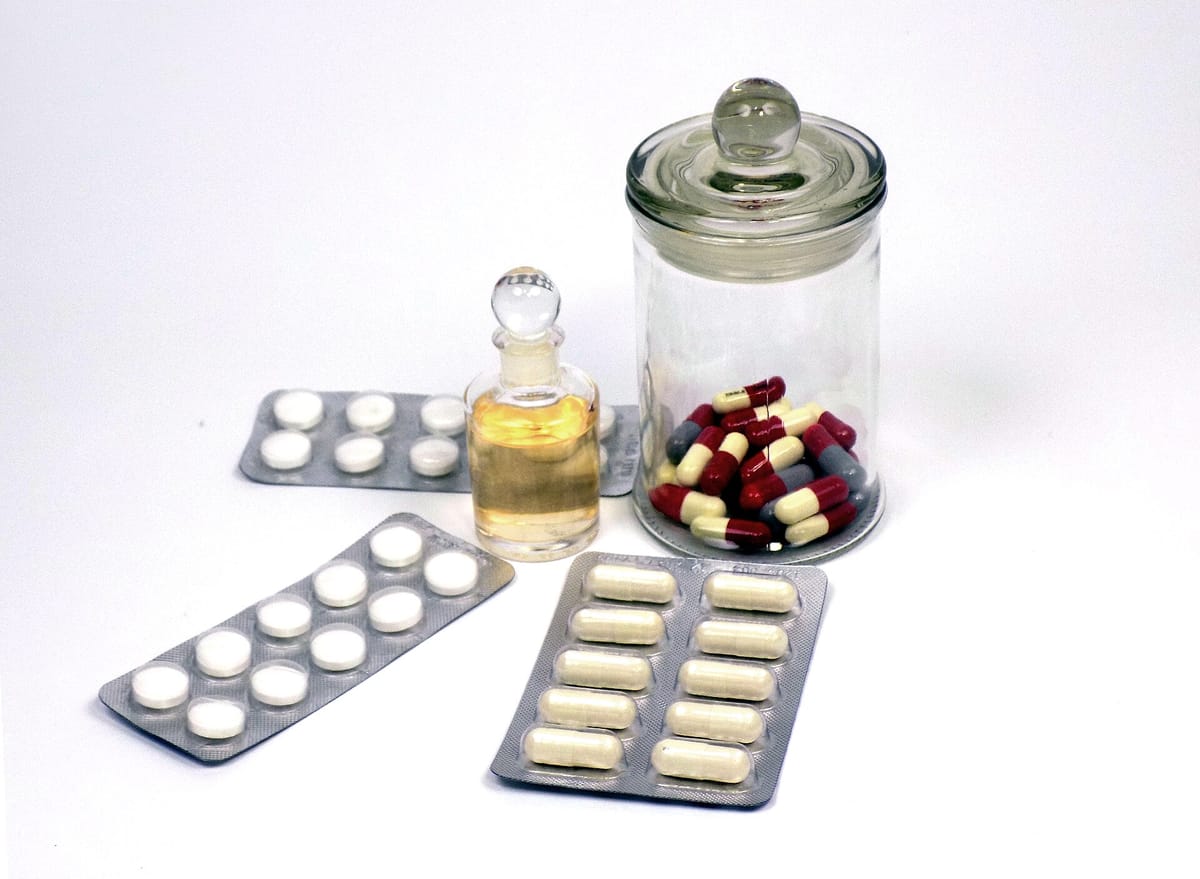
Hovione, one of Portugal's quiet industrial champions, is pouring €200 million into a new medicines factory on the south bank of the Tagus, at Seixal in the Setúbal district. The plant has now entered the final phase of construction and is due to open in September 2027, when it is expected to create at least 100 qualified jobs — chemists, engineers and process specialists — in a region that has spent decades trying to rebuild the industrial base it lost in the late twentieth century.
The company is not a household name, and by design. Founded in Portugal more than six decades ago, Hovione is a contract manufacturer: it develops and produces active pharmaceutical ingredients — the chemistry at the heart of a drug — for many of the world's largest pharmaceutical groups, rather than selling medicines under its own brand. It runs factories in Portugal, Ireland, the United States and China, keeps research laboratories in Lisbon and New Jersey, and employs more than 2,600 people worldwide.
Why Seixal, and why now
The choice of Seixal is deliberate. Hovione's existing campus at Loures, north of Lisbon, has hit its physical limit, so the extra capacity has to go somewhere new. Executives have pointed to the site's proximity to the airport — the firm exports its entire output and hosts a steady stream of international clients — and to its short distance from the company's research centre in Lumiar, in northern Lisbon. Keeping production, logistics and R&D within the same metropolitan orbit matters for a business that ships high-value, tightly regulated chemistry around the globe.
One detail says a great deal about how Portugal's economy is wired. The two industrial complexes have been financed entirely from the company's own equity, without European funds. As the group has put it, being a large company based in the Lisbon region effectively shuts it out of the EU money that flows more freely to smaller firms and to the interior — "a legislative matter," in its words. A €200 million bet paid for out of retained profit is a striking vote of confidence at a time when much of the country's growth story leans on Brussels transfers.
A boost for the Margem Sul
For the Margem Sul — the belt of towns across the river from Lisbon — the investment continues a slow return of high-skilled industry to an area once defined by shipyards and heavy manufacturing. It also fits a wider pattern of money moving toward health and advanced industry, the same tilt visible when state-backed Portugal Ventures recently weighted its start-up funding toward health and industry. Pharmaceuticals are also among the export lines helping to lift the country's trade figures, after goods exports rebounded 10 percent in the second quarter.
For expats, a project like this is a useful corrective to the idea that Portugal's economy runs on tourism and remote work alone. The jobs on offer at Seixal are the kind that pull skilled scientists and engineers — including many from abroad — into stable, well-paid careers outside the hospitality and call-centre roles that dominate the headlines. It is also a reminder that some of the country's most valuable companies operate almost invisibly, making the ingredients inside medicines sold under other names.
The immediate impact is modest — a single factory, a hundred jobs, an opening still more than a year away. But the direction is what counts. When a home-grown multinational chooses to expand in Portugal with its own cash rather than chase cheaper labour elsewhere or wait on public subsidy, it is betting that the country can keep supplying the talent and the stability a high-end plant needs. Seixal will be an early test of whether that bet pays off.