Health Ministry Rewrites a Disputed Pay Order for Emergency Stroke and Heart-Attack Teams
Portugal's health ministry has published Despacho n.o 9696/2026, rewriting how the SNS pays doctors for extra urgent work and revoking a criticised 29 June order. The earlier version had excluded some stroke-unit staff tied to the fast-track 'Vias Verdes' for strokes and heart attacks; the Ordem dos
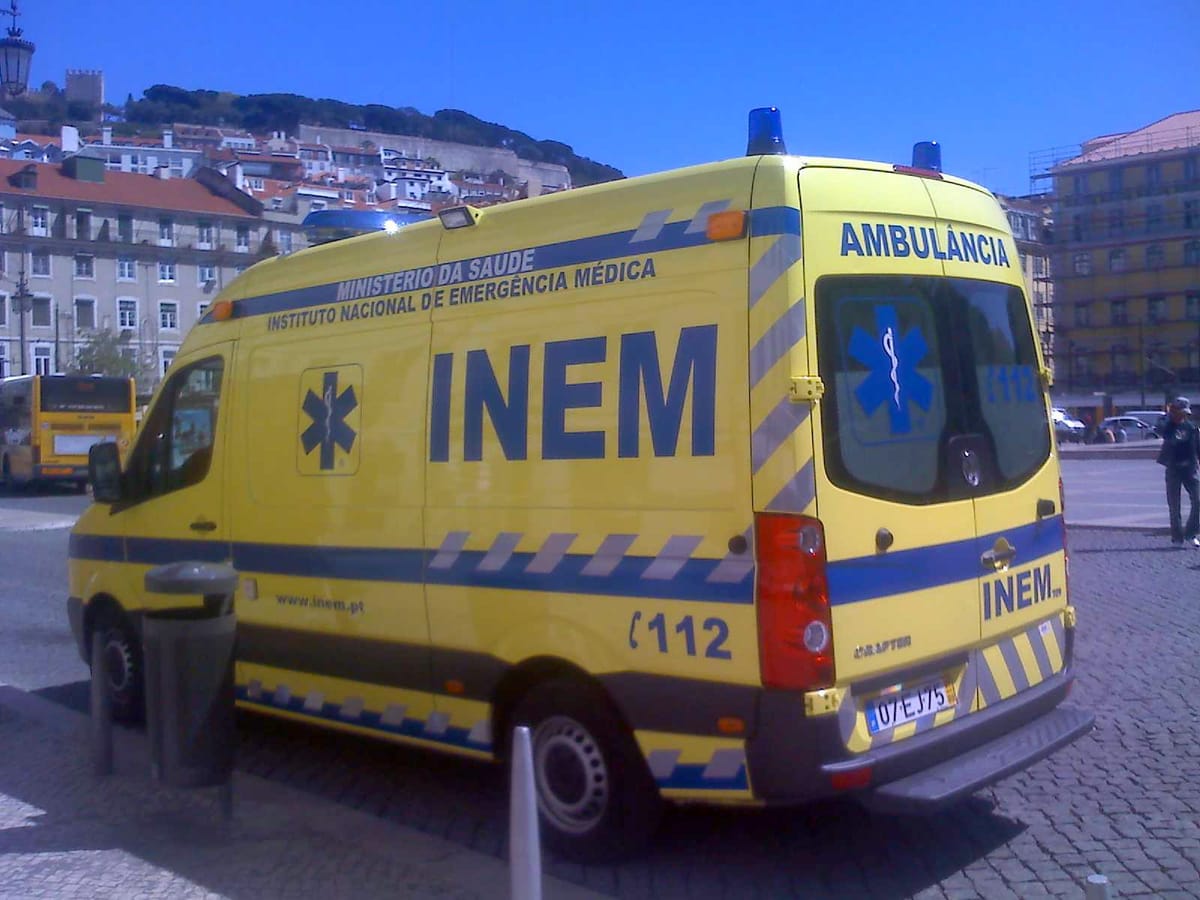
Portugal's health ministry has rewritten a contested rule governing how doctors are paid for extra urgent work, weeks after medical bodies warned that the original version risked weakening the emergency response for strokes and heart attacks. The new order, Despacho n.º 9696/2026, was published on Monday in the Diário da República (the official gazette) and replaces a June measure that had drawn sharp criticism from the profession.
The revised order sets out how the Serviço Nacional de Saúde (National Health Service, or SNS) recognises and pays for what it calls "produção adicional urgente" — additional urgent clinical activity carried out beyond normal rosters. Crucially, it makes clear that such work counts whether it is performed in the emergency department itself or in another clinical setting, and it defines the payment that goes with it.
The order it revokes, Despacho n.º 8134-A/2026 of 29 June, had regulated payment for additional activity in a set of high-stakes specialties — interventional cardiology, neuroradiology and interventional radiology — that sit at the heart of Portugal's Vias Verdes (fast-track "green routes") for stroke and heart-attack patients. These are the pathways designed to move a patient from the ambulance to a catheterisation or thrombectomy table as quickly as possible, and where minutes can decide whether a patient survives or is left disabled.
The problem, critics said, was that the June wording excluded some of the doctors who staff stroke units and related teams, leaving gaps in how their urgent work would be recognised and rewarded. Medical unions and the Ordem dos Médicos (Medical Association) pressed the ministry to fix it, and the health minister had promised a corrected order by August, with effect backdated to the end of June.
The Ordem dos Médicos welcomed the new despacho, saying it recognises the "high level of differentiation" of endovascular intervention teams — the specialists who thread catheters through blood vessels to clear a clot or block a bleed — and reinforces clinical safety in procedures where, as the association put it, every minute counts. In short, the profession sees the rewrite as closing a loophole that could have discouraged precisely the staff whose availability keeps the fast-track pathways running.
The episode is a small but telling illustration of a larger strain on the SNS this summer. The state has been tightening how hospitals are financed, including a variable-funding regime under which local health units can lose a slice of their budget when emergency services close, and it has leaned on additional paid activity to keep urgent care staffed through the holiday period. Getting the incentives right for the doctors who run time-critical services is central to whether that approach holds.
For residents, the practical stake is straightforward. Stroke and heart-attack care depends on specialist teams being on hand at the moment they are needed, and the rules that determine how those teams are paid feed directly into whether the Vias Verdes stay open. The correction does not add hospitals or hire doctors, but it removes a disincentive at a point in the system where the margin for error is measured in minutes.