Graduates Under 35 Still Cannot Apply for Portugal's Tuition-Refund Salary Premium, and the Finance Minister Offers No Date
The form for the salary premium of 697 euros a year per bachelor's year and 1,500 euros per master's year has not opened since 2024, and the deadline in the rules has passed. Here is who qualifies, how much it pays and what is known now.
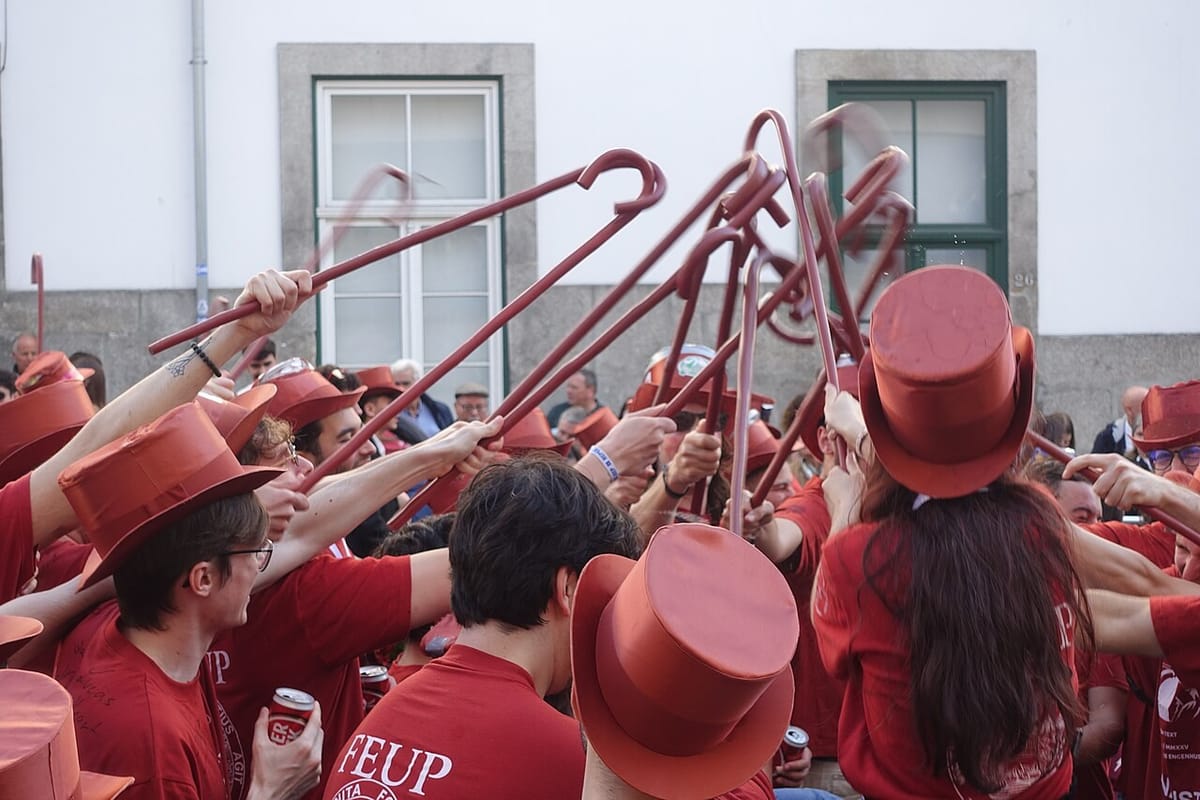
Young graduates still have no way to apply for the 2025 and 2026 rounds of Portugal's salary premium for qualified workers, the annual payment often described as a refund of tuition fees, even though the application window written into the rules has come and gone. Asked in Parliament on Friday when the form would open, Finance Minister Joaquim Miranda Sarmento gave no date, Lusa reported through ECO and Notícias ao Minuto.
The question came from Sofia Pereira, a Socialist MP and leader of the party's youth wing, during a hearing on the 2027 budget. The minister replied only that the measure costs 300 million euros "at cruising speed" and that the Government had made it a choice between the premium and IRS Jovem, the youth income tax relief.
What the law says
The premium was created by Decreto-Lei n.º 134/2023 of 28 December and regulated by Portaria n.º 67-A/2024 of 22 February. Its main terms are:
- Amounts: 697 euros a year for a licenciatura (bachelor's degree) and 1,500 euros a year for a master's. An integrated master's pays 697 euros for the bachelor's years and 1,500 euros for the master's years.
- Duration: paid for as many years as the regular length of the course, so a three-year degree means three payments, provided the conditions are met each year.
- Who qualifies: people aged up to 35 in the year of award and of payment, resident in Portugal for tax purposes, with employment or self-employment income (IRS categories A or B), an IRS return filed on time and their tax affairs in order.
- Which degrees: a degree awarded in 2023 or later, from a Portuguese public or private institution, or a foreign degree recognised under Decreto-Lei n.º 66/2018. Graduates from before 2023 may receive the remaining years if their course length has not yet run out.
- Tax: no IRS or Social Security contributions are due on it.
Under the portaria, a graduate applies through an online form "until the end of May of the year following" the one in which the conditions are met. The Tax Authority (AT) pays by bank transfer.
Where it stands
There has been only one application round, in 2024. The gov.pt service page, last updated on 1 September, says new requests are not being accepted and that the deadline for submitting them "has not yet been announced". In August the AT began paying about 41,000 people who registered in 2024; the Finance Ministry said then that the form for later graduates would come "shortly", ECO reported.
According to Lusa, the decree implementing the 2026 budget changed the rules in May so that anyone benefiting from IRS Jovem is excluded from the premium. The Government says this does not apply to those who completed their studies up to and including 2024. On 2 July Parliament approved in principle a Socialist bill that would make the two incentives compatible again and oblige the State to pay; it is still in committee.
What it means for you
If you graduated in 2023 or later, including with a recognised foreign degree, and have a payment still to claim, there is nothing to submit yet. Keep your IRS returns on time, your tax position regular and your IBAN current on the Portal das Finanças, since those are checked at payment. The AT's premium page is where payment status is shown. If you also claim IRS Jovem, watch the bill on combining them, which the budget debate may shape. For non-EU graduates, recognition of the degree comes first.