With the Socialists Abstaining, the 2027 Budget Is Almost Certain to Survive Next Week's First Vote, but Parliament's Budget Office Doubts Its Jobs Forecast
José Luís Carneiro says the 2027 budget deserved a no vote but the PS will abstain to avoid a political crisis. With 91 government seats against at most 81, it should clear the general vote on 27 and 28 October; the final vote is on 24 November.
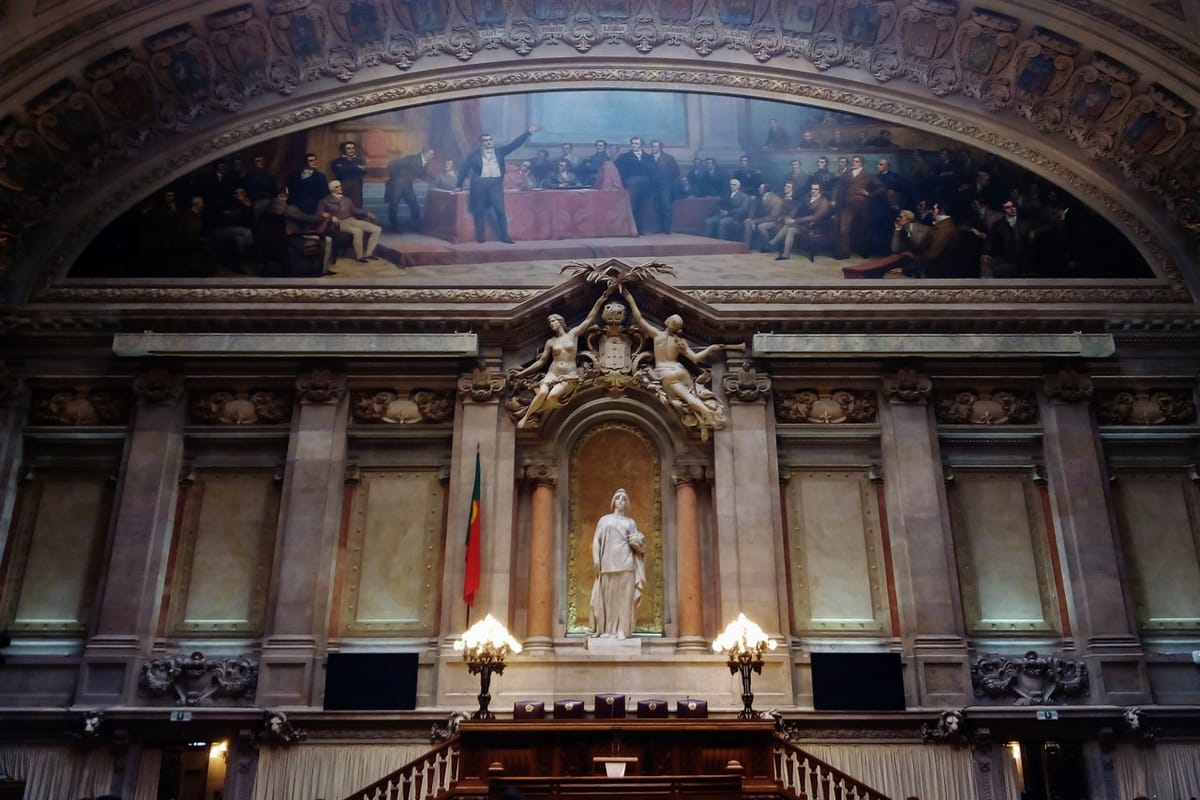
The Socialist Party will let the Government's 2027 State Budget through its first vote in parliament next week, and its leader has now said plainly that he is doing so against his instincts. Speaking in Faro on Monday 19 October, at the start of a national tour to debate the budget, José Luís Carneiro said the bill "deserved a vote against" on the party's deepest convictions, but that "our first duty is to serve the country", according to Observador and RTP, both carrying the Lusa report.
The abstention itself is not new. Carneiro first said he would propose it in an interview with ECO at the end of September, after the Prime Minister gave assurances on four PS conditions: a constitutional revision negotiated with the PS, protection of public Social Security and pensions, alternative funding for recovery plan projects left behind by delays, and storm aid reaching those affected. The party leadership confirmed it on 6 October, saying it would only reconsider if "surprise measures" appeared, ECO reported. On Monday Carneiro denied giving the Government a "blank cheque", arguing that a political crisis and a country run on monthly twelfths of the old budget would be far worse. It is the rapprochement President Seguro praised on Republic Day.
The arithmetic
Parliament's current composition makes the outcome close to certain. The PSD has 89 seats and the CDS-PP 2, giving the governing parties 91 of 230. With the PS's 58 MPs abstaining, every other party combined (Chega 60, Liberal Initiative 9, Livre 6, PCP 3, and one each for the BE, PAN and JPP) adds up to 81. Even if all of them voted against, the budget would still have more votes in favour.
Chega is not offering a free pass. On Monday André Ventura accused the PS of approving the budget "without looking at it" and of sharing the blame for the housing crisis, Observador reported. He also challenged the Socialists to back Chega's housing package, including a 50 percent rise in IRS deductions for rent and mortgage payments, and said Chega is negotiating a temporary IMI exemption with the Government, with compensation for municipalities.
The dates that matter
Parliament's budget calendar for Proposta de Lei n.º 110/XVII sets the general debate and vote for 27 and 28 October. Committee hearings follow from 29 October to 6 November, the detailed (specialty) debate and votes run from 18 to 23 November, and the final global vote is on 24 November. The specialty stage is where the content can still change: parties table amendments article by article, and the Government can be outvoted on individual measures. That is where pressure such as the parish councils' threat to close every service on 4 November will play out.
A warning from parliament's budget office
Also on Monday, parliament's technical budget unit, UTAO, published its preliminary assessment (Report n.º 17/2026). It finds the Finance Ministry's forecast of 1.4 percent employment growth in 2027 "difficult to reconcile" with slowing net immigration: the working-age population grew by about 28,000 people a quarter in 2025 but only 10,000 in 2026. The ministry's figure is the highest among reference institutions, whose forecasts run from 0.4 to 1.3 percent (the Bank of Portugal expects 0.7). If jobs grow more slowly, UTAO warns, tax and contribution revenue will fall short. It also says the bill gives too little detail on its largest revenue measure, 300 million euros expected from tackling VAT fraud in fuel. The Government's own figures are in our reports on its growth and surplus forecast and what the bill changes for households.