Gaia and Espinho's Lung Cancer Screening Picked Up 12 Cancers in 1,083 Current and Former Smokers, and a Three-Year Trial Now Tests a Blood Check Before the Scan
ULS Gaia/Espinho has scanned 1,083 heavy smokers and ex-smokers aged 55 to 74 and found 12 lung cancers with no symptoms. It now joins TIME4LUNG, an 8.7 million euro project testing a blood sample as a first step before the low-dose CT scan.
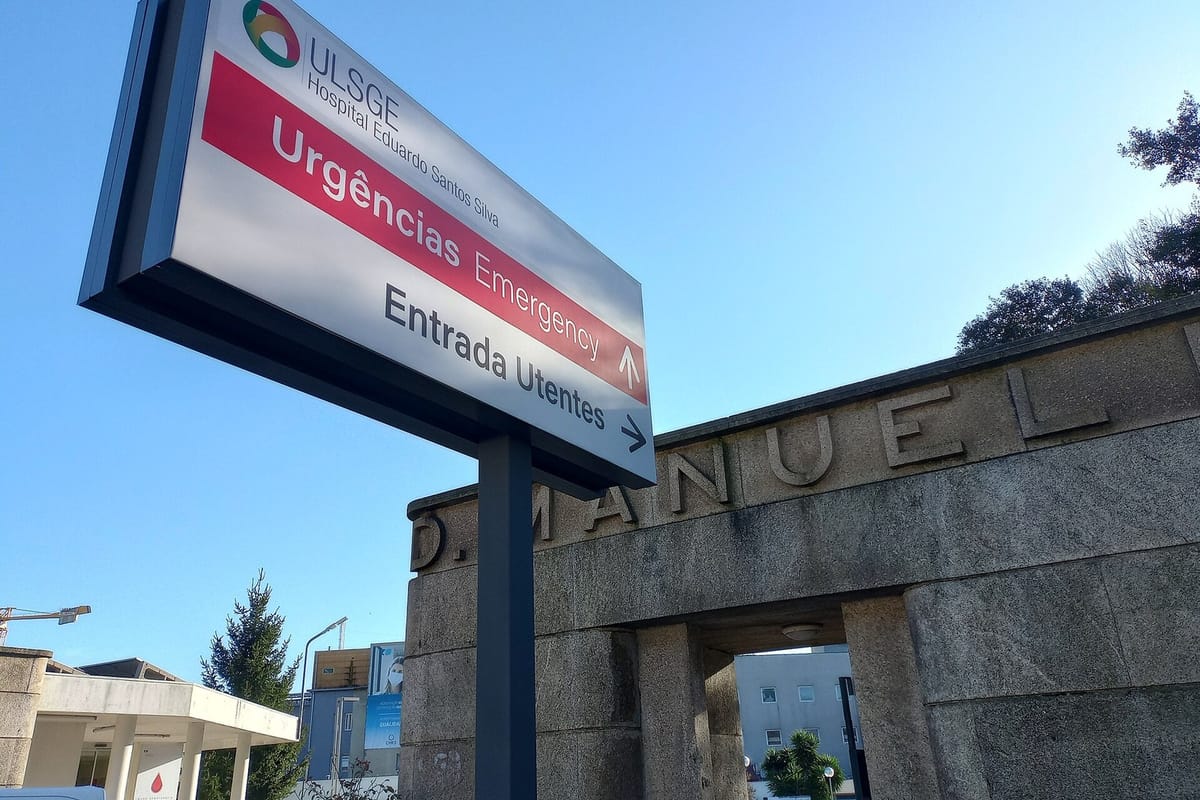
The lung cancer screening programme run by the Unidade Local de Saúde de Gaia/Espinho (ULSGE, the public health unit for Vila Nova de Gaia and Espinho) has scanned 1,083 people and picked up 12 lung cancers in people with no symptoms, and it is now joining a three-year trial to test whether a blood sample can decide who needs a scan at all. Firmino Machado, who heads the ULS planning and population health unit, gave Lusa the figures, collected up to 29 September, on Wednesday.
Of 1,138 residents judged eligible, 1,083 were screened; the rest did not turn up when called. "We identified 12 people without any symptoms who had lung cancer," Machado said. Without screening, he said, they would probably have been diagnosed too late to treat.
How the Gaia/Espinho screening works
The test is a low-dose chest CT scan. It began in September 2025, and in April 2026 a government order made it one of two official pilots in the Serviço Nacional de Saúde (SNS, the national health service), alongside ULS Santa Maria in Lisbon, according to Lusa. Each pilot runs for 12 months, paid for from tobacco tax revenue, and the Direção-Geral da Saúde (DGS, the health directorate) must report to the health minister within three months of the end, including a proposal on whether to go national.
The DGS rulebook for the pilots, Orientação n.º 003/2025, sets who qualifies:
- people aged 55 to 74 in the year their screening starts;
- with at least 20 "pack-years" of smoking (one pack-year is 20 cigarettes a day for a year);
- who still smoke, or who quit less than 10 years ago;
- and who have never had lung cancer (another cancer in the last three years means a temporary exclusion).
The scan is repeated every year. People are not asked to sign up: when the programme launched, ULSGE told Lusa it was calling eligible residents in phases, finding them through national databases and primary care, and one participant said he had been invited by text message. Smokers are also referred to help to quit.
A blood test before the scan
The new project, TIME4LUNG, is led by the Portuguese start-up iLoF and includes the Universidade de Aveiro and the Egas Moniz Health Alliance. It would add a first step: a small blood sample analysed with a light-based technique called optomics, combined with artificial intelligence. Only people whose blood result points to a risk would then get the CT scan. Machado said the current model is "very difficult" to sustain nationwide: there are not enough machines and staff.
The project costs 8.7 million euros, with 6.66 million from the Portugal 2030 and Compete 2030 funds, according to Lusa. It is still building its blood analyser and needs volunteers to give a tube of blood; Machado hopes it can reach clinical practice in three years.
Why lung cancer, and why now
The DGS puts lung cancer as the fourth most common cancer in Portugal, with 5,547 new cases in 2021 and the highest rate in Porto district. It caused 4,410 deaths in 2022, 57 percent of them in people aged 50 to 74. Portugal already screens for breast, cervical and colorectal cancer; lung pilots follow a 2022 Council of the EU recommendation. See also our reports on nicotine pouch rules and free heart-risk checks.
What to do: if you are 55 to 74, live in Gaia or Espinho and have a long smoking history, make sure your health centre has your current mobile number, and ask your family doctor whether you fit the criteria and about help to quit.