Free Heart-Risk Checks Run in 154 Pharmacies From Tuesday to Sunday, as Cardiologists Push for Screening From Age 35
The Portuguese Society of Cardiology's Coração Aceso campaign checks blood pressure, cholesterol and blood sugar for free from 29 September to 4 October. Lisbon district has the most pharmacies taking part.
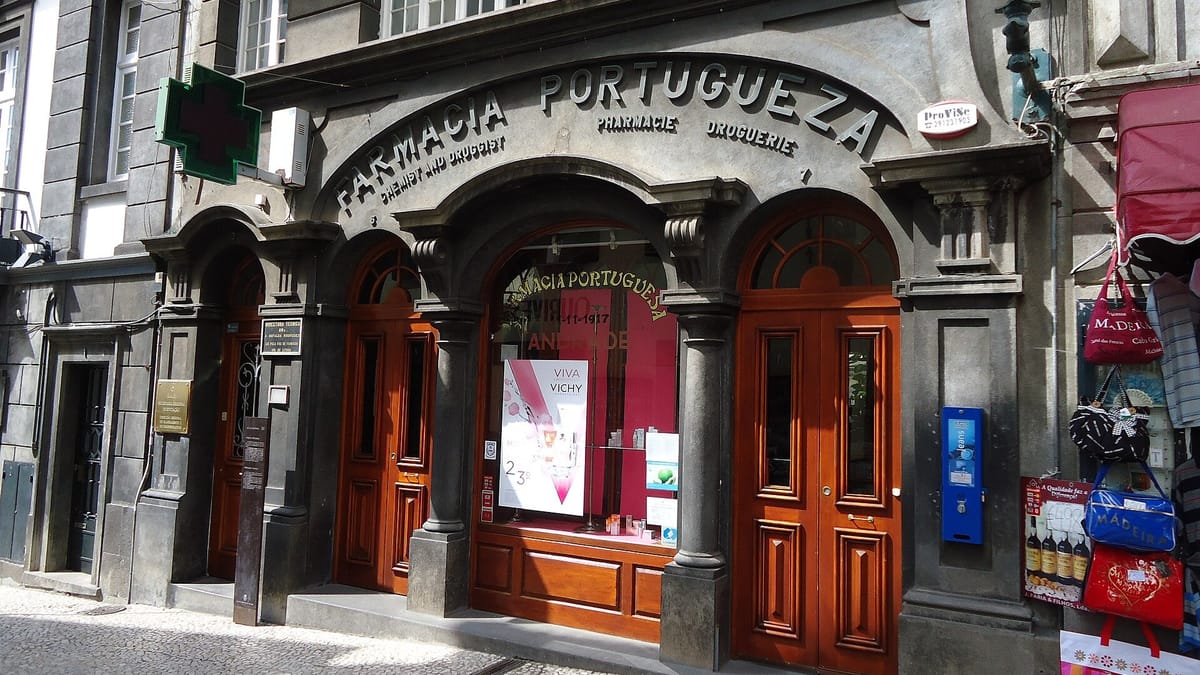
Anyone who wants to know their risk of a heart attack or stroke can have it checked for free at a pharmacy this week. The Sociedade Portuguesa de Cardiologia (Portuguese Society of Cardiology, SPC) is running free cardiovascular screenings from Tuesday 29 September, World Heart Day, to Sunday 4 October, under its "Coração Aceso" (Heart Alight) campaign, part of the European EU Screening Week.
The SPC's president, cardiologist Cristina Gavina, told the Lusa news agency that more than 160 pharmacies have signed up. The campaign's own map at coracaoaceso.pt listed 154 on Sunday morning.
Where and how
The participating pharmacies are spread unevenly. Lisbon district has 35, Setúbal 21, Porto 14, Coimbra 11, Santarém 10 and Braga 9, with Faro and Guarda on 7 each. Several districts have only two, Madeira has two and the Azores one, on Pico. The map can be filtered by district or sorted by distance from your location.
The check covers the three main risk factors: blood pressure, cholesterol and blood sugar. According to Lusa, each person leaves with a card recording the results and a risk rating of low, intermediate, high or very high. The campaign website issues a numbered coupon through an "Obter Cupão" (Get Coupon) button, to be shown when you go.
Gavina stressed that this is screening, not treatment. "We are talking about screening, we are not talking about treating," she said. Anyone flagged at higher risk is expected to follow up with their family doctor or nurse.
Why cardiologists want more of it
Cardiovascular disease, above all heart attacks and strokes, remains the leading cause of death in Portugal. About 30,000 people died of it in 2023, one every 15 minutes, and public hospitals recorded more than 100,000 admissions for it that year. Mortality has fallen, mainly among people over 70, which Gavina puts down to much better emergency care.
She warned that premature deaths could rise again. About half of people with high blood pressure, the main risk factor for stroke, are thought to be undiagnosed, and the number of diabetics is growing "at a dizzying pace". According to the SPC, 80 percent of premature cardiovascular deaths could be changed or prevented by controlling the risk factors.
The society wants screening to become routine, as it already is for some other diseases: a check from the age of 35, repeated every five years, and more often for people at high risk. Pharmacies "have to be more than simple places to sell medicine or cosmetics and supplements," Gavina said, and workplaces could also host checks.
The SPC is asking for a Programa Nacional de Saúde Cardiovascular (National Cardiovascular Health Programme) built around prevention. It says Portugal has concentrated on acute care, through its priority programme for cerebro-cardiovascular disease, while prevention lags. It has put the proposal to the parties in parliament and to Adalberto Campos Fernandes, the former health minister coordinating the health pact proposed by the President of the Republic.
Know your numbers
The campaign site says that for most people the target is a blood pressure below 120/80 mmHg, and that the target for "bad" LDL cholesterol depends on each person's risk, so it is lower for anyone who has had a heart attack or has diabetes. It cites a survey in which 88 percent of respondents aged 18 to 24 did not know their cholesterol level.
Exercise is part of the same picture. Portugal has the highest share of adults in the EU who say they never exercise, and stroke survivors warned this week that rehabilitation still comes too late.