Furniture Sellers Will Pay to Collect Your Old Sofas and Mattresses From January Under Portugal's First Licence for the Waste
Mobilão, set up by IKEA, Leroy Merlin and other sellers, is licensed to run Portugal's first furniture and mattress waste scheme from 1 January 2027. Free drop-off, targets, who pays, and what to do with an old sofa now.
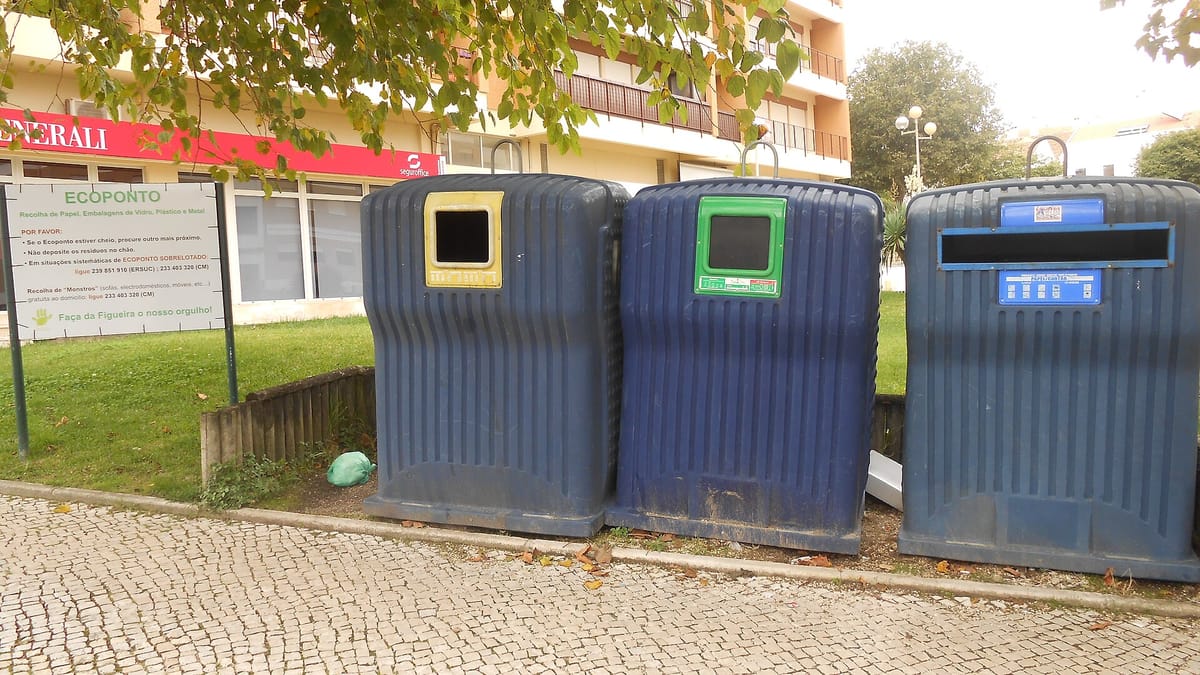
From 1 January 2027, the companies that sell furniture and mattresses in Portugal will pay for what happens to them once they are thrown away. Mobilão, an association set up by the sellers, has become the first body licensed to run the scheme, the Agência Portuguesa do Ambiente (APA, the Portuguese Environment Agency) announced on Wednesday in a press note (PDF, in Portuguese).
Until now, old sofas, wardrobes and mattresses have been almost entirely a job for town halls, which collect them as bulky waste (known as "monos" or "monstros") and pay to transport and treat them. The APA calls this a significant burden for councils, because the items are big, mix many materials and take up space in collection lorries and recycling centres.
What the licence says
The licence (PDF, in Portuguese) was granted on 10 November by the APA and the Direção-Geral da Economia (DGE, the directorate-general for the economy), and runs until 31 December 2036. Its main points:
- Who pays. The businesses that put furniture and mattresses on the Portuguese market finance collection and treatment through fees paid to Mobilão. The licence does not set the fees: Mobilão has 45 days to propose to the DGE how they will be calculated.
- Free drop-off. Collection centres in Mobilão's network must accept furniture and mattresses from private individuals free of charge, and shops that join the network take old items back for free.
- Councils stay involved. Town halls keep collecting bulky waste, as the law requires, but Mobilão will pay them for the work. The network must cover the whole country.
- Targets. Mobilão must collect the equivalent of at least 25 percent of the furniture and mattresses its members sell, by weight, in 2027 and 2028, 30 percent in 2029 and 40 percent from 2030. Half of what it collects must be recycled in 2027, rising to 90 percent from 2030, with separate targets for furniture and for mattresses.
- Reuse first. Items that can still be used must be kept intact, with separate collection for them and links to repair shops and charities.
The scheme covers almost every kind of household furniture, from kitchen units and wardrobes to garden chairs, cots, bed bases and mattresses, according to the APA's definition (in Portuguese). Furniture that counts as electrical equipment, such as a powered recliner, stays in the electrical waste system.
The law required producers to have a scheme running by 31 December 2025, so it starts a year late.
Who is behind it
Mobilão was founded in 2025 by IKEA Portugal, Leroy Merlin, Colunex and Emma, and is being set up with Electrão, which already runs packaging and electrical waste schemes, Público reports (in Portuguese). A second group, Circular+MC, backed by the furniture industry association AIMMP, has said it also wants a licence.
What it means for you now
- Nothing changes before January. Keep using your council's bulky-waste service or its ecocentro (recycling centre). Many councils collect large items from your door if you book.
- Do not leave a mattress next to the bins. Book a collection instead. Discouraging people from leaving these items in public spaces is part of the awareness work the licence requires.
- Prices. How much producers will pay per item is not yet known, so neither is any effect on what you pay in the shop. Mobilão must publish its fees on its website within three days of their approval.
- Where to take things. The licence does not say how many drop-off points there will be in January. Mobilão must ask shops to tell customers where they can return old furniture.
Portugal recycled only 39 percent of its urban waste in 2025, against an EU target of 55 percent. Councils are also getting a bigger share of the waste management tax from 2027. Our guide to recycling and household waste explains what goes where.