Foz do Douro's Paper-Costume Parade Swells to a Record 700 Marchers for Its Fables-and-Legends Edition
On 30 August, Foz do Douro's Cortejo dos Trajes de Papel — a parade of costumes made entirely of paper, later dissolved in the sea — will field a record 700 participants under the theme 'Fables and Legends'. The century-old tradition is a candidate for UNESCO recognition.
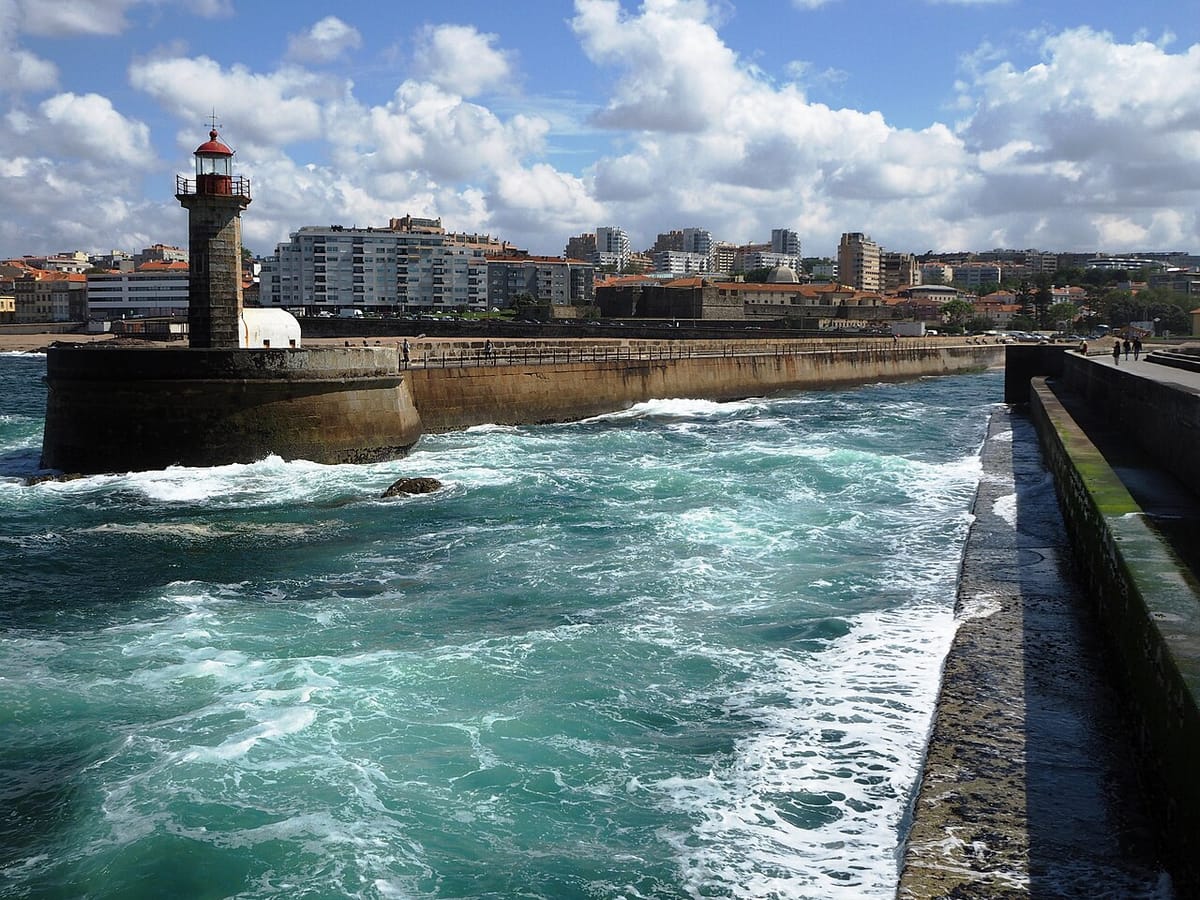
Every August, one of Porto's most quietly extraordinary traditions plays out along the seafront at Foz do Douro: hundreds of people parade in elaborate costumes made entirely of paper, only to walk into the sea at the end and let months of painstaking work dissolve in the waves. This year the Cortejo dos Trajes de Papel (Paper Costume Parade) will be bigger than ever, with a record 700 participants due to march on 30 August under the theme "Fábulas e Lendas" (Fables and Legends).
That figure is a marked jump from the roughly 500 who have taken part in recent editions, and it points to the deepening pull of a custom that has become one of the city's signature summer events. The parade is held in honour of São Bartolomeu (Saint Bartholomew) and is tied to the old ritual of the "banho santo," the holy sea-bath that draws bathers to the Foz do Douro shoreline at this time of year. The costumes, cut and folded from coloured paper over weeks and sometimes months, are designed to be admired for a single afternoon and then given up to the water — a deliberate, almost defiant act of impermanence.
The tradition stretches back well over a century and has been formally recognised for its cultural weight. It is inscribed in Portugal's Inventário Nacional do Património Cultural Imaterial (National Inventory of Intangible Cultural Heritage) and is being advanced as a candidate for UNESCO recognition, a status that would place the Foz do Douro cortejo alongside the country's most cherished living customs. Organisers have leaned into that heritage in recent years, building each edition around a unifying theme; last year's procession celebrated the "Povos do Mundo" (Peoples of the World), while this summer turns to the storybook world of fables and legends.
For the seamstresses, designers and families who take part, the appeal is not fame or prize money but the craft itself — the challenge of coaxing something spectacular out of a material as fragile as paper, and the shared ritual of watching it all come apart at the water's edge. Participants have long described doing it simply "por gosto," for the love of it, returning year after year to build costumes they know will not survive the day.
The spectacle regularly draws thousands of onlookers to the marginal, the coastal promenade that runs out toward the mouth of the Douro, and the parade has occasionally featured well-known guests of honour drawn from Porto's civic life. With the 2026 edition set to field a record cast of 700, and with a UNESCO bid lending the event fresh momentum, this year's procession looks likely to be one of the most watched in its long history.
For anyone in the north of the country at the end of the month, it is a rare chance to see a piece of intangible heritage in motion — colourful, communal and, by design, gone almost as soon as it appears.