Four Parties Voted to Haul Three RTP Chairmen and the Finance Inspectorate Into Parliament, and They Were the Only Four in the Room
The budget committee approved hearings on allowances the Inspeção-Geral de Finanças calls improper. Nine payments are at stake, the report is still a draft, and the applications to run RTP next closed on 15 September.
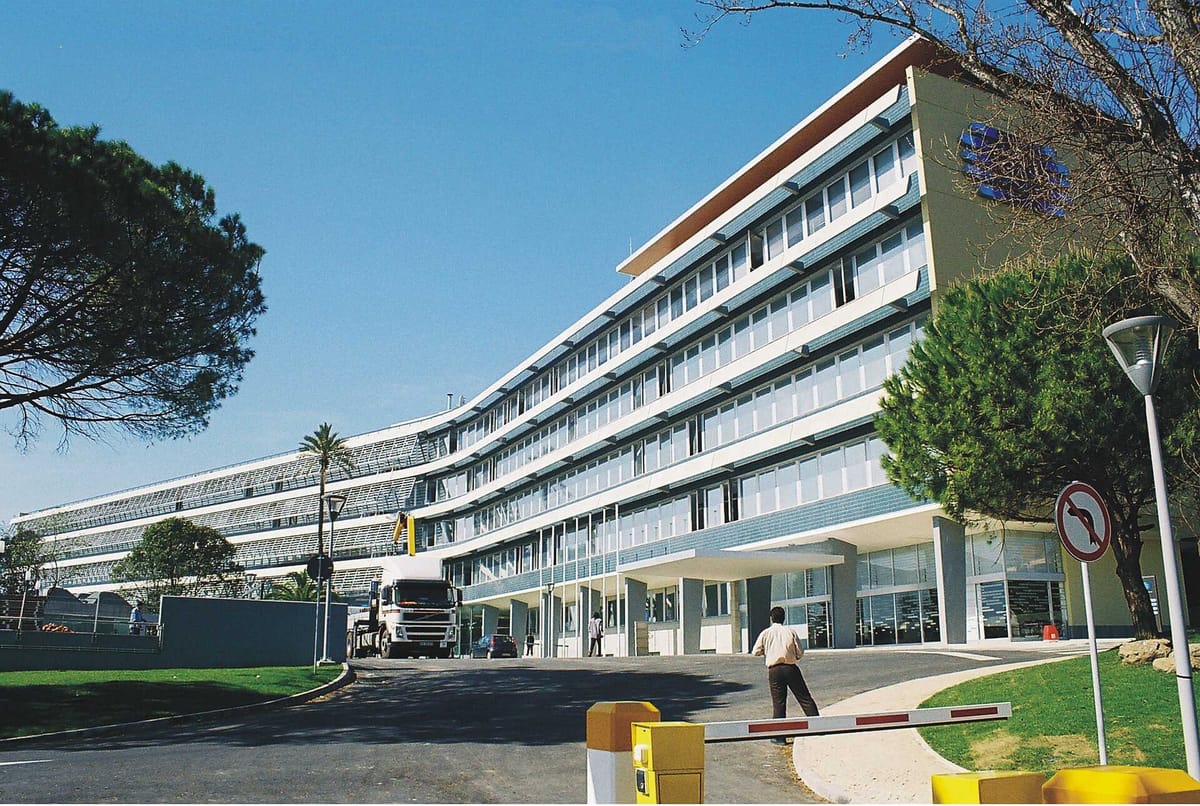
Parliament's Comissão de Orçamento, Finanças e Administração Pública (Budget, Finance and Public Administration Committee) voted on Wednesday morning to summon three generations of RTP's leadership, along with the state's financial inspectorate, to explain payments inspectors have flagged as improper. The requests came from Iniciativa Liberal, the Partido Socialista, the PSD and Chega, were voted as a block, and passed unanimously. That unanimity is less striking than it sounds: those four were the only parties in the room.
The hearings will be held jointly with the culture and media committee. Named across the four requests are Nicolau Santos, current chair of RTP's board and the only name in all four, and his predecessors Gonçalo Reis and Guilherme Costa. Six former directors are also listed: Nuno Artur Silva, Cristina Vaz Tomé, Ana Dias da Fonseca, Luísa Ribeiro, Luís Marinho and Luís Marques. All four want the Inspeção-Geral de Finanças (General Inspectorate of Finance) in the person of its director-general; Iniciativa Liberal and Chega want the report's authors too. Chega has asked for RTP's audit board and its Conselho Geral Independente (Independent General Council); the Socialists want one CGI member, Vítor Caldeira.
Nine allowances, and a report nobody has read
The IGF's preliminary report covers 2018 to 2024 and identifies pay components in force at the broadcaster that it considers improperly awarded, alongside recommendations on RTP's financial and human-resources management. RTP's position is that several of those recommendations touch areas where it has already changed procedure. According to the SINTTAV telecommunications and audiovisual union, nine allowances are at stake, covering arduous work, multi-skilling and additional duties.
RTP suspended new awards of the disputed allowances once the findings surfaced, a freeze that reached several hundred staff. The company and its unions then agreed an addendum to the collective agreement protecting allowances already being paid, which is the part worth watching: the audit questions the legal basis for the payments, and the industrial response has been to give them a firmer one.
The one dissenting note
The PSD backed the hearings but objected to the timing. João Antunes dos Santos pointed out that RTP has been served only with a draft report, has exercised its right of reply, and is waiting for the final IGF document. "It seems to us it makes no sense to hold hearings on the basis of news reports when it is only a matter of time before we have a public document," he said.
The other three read it differently. Mário Amorim Lopes of Iniciativa Liberal noted that this committee commissioned the audit and should hear its results. The Socialist Marina Gonçalves said the exercise should not stop at the report itself but establish the historical cost of the allowances. Chega's Daniel Teixeira framed it as public money requiring scrutiny, adding that RTP's outlook "is not the most hopeful", with this year's forecasts pointing to a loss driven by staff departures.
Timing that is not accidental
The audit became public while applications were open for RTP's next board, a window that closed on 15 September. The choice belongs to the CGI, chaired by Ana Margarida Carvalho, and the field is crowded: four pairs competing for the chair and director posts, and seven candidates for the finance seat alone.
So a committee that ordered an audit will question the people who ran the broadcaster during the period audited, while a separate body picks who runs it next, on the basis of a report not yet final. For households funding RTP through the levy on every electricity bill, the number that matters is the one Marina Gonçalves asked for and nobody has produced: what the allowances cost.