Portugal's Public Broadcaster RTP Halts Disputed Salary Top-Ups Flagged by a State Audit
RTP's board has preventively suspended new remuneration supplements after a draft Inspecao-Geral de Financas audit of its 2018-2024 management flagged them as improper. The top-ups reach more than 300 staff and under 2% of personnel costs; RTP disputes the findings, citing its 2006 company agreement
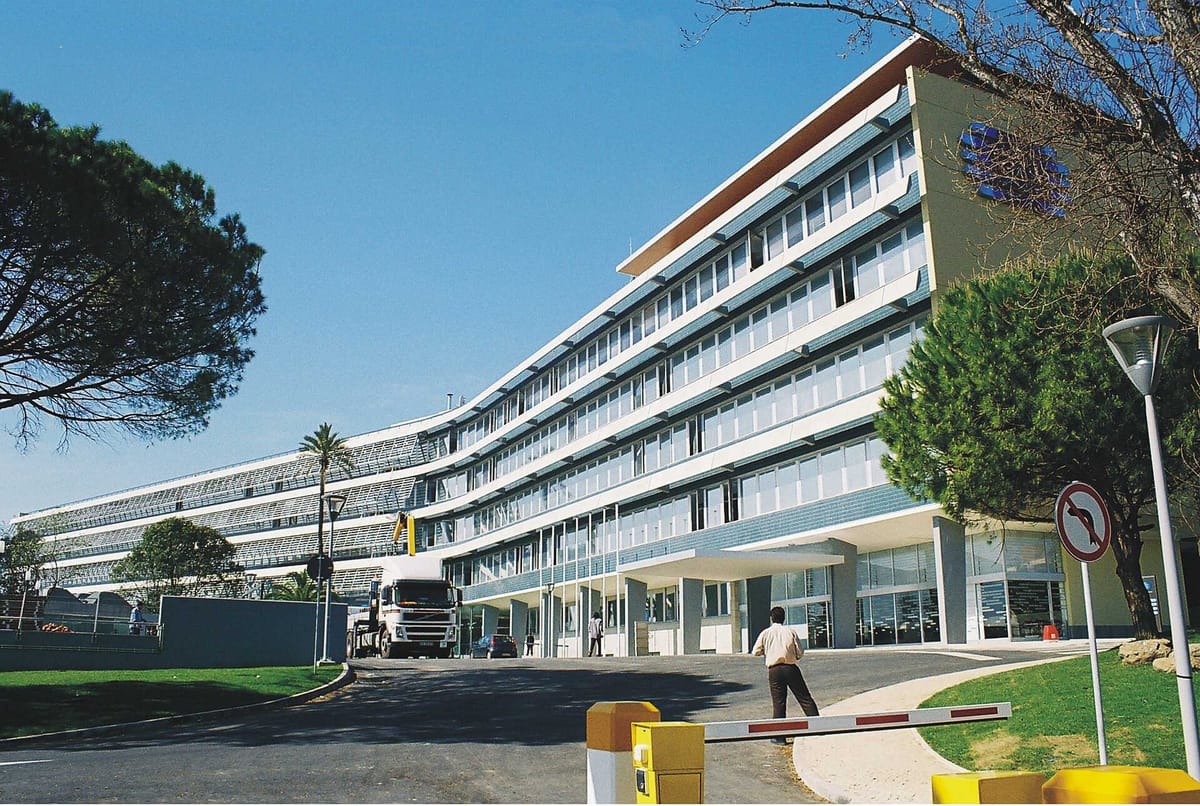
Portugal's public broadcaster has frozen a set of salary top-ups for its staff after a government audit questioned their legality, a move that pre-empts a fight over how the state-owned company has paid some of its employees. The board of RTP (Rádio e Televisão de Portugal) voted this week to suspend, as a precaution, any new awards of remuneration supplements that a draft audit had flagged as "improper".
The audit was carried out by the Inspeção-Geral de Finanças (General Inspectorate of Finance, or IGF), the finance ministry's internal watchdog, and examined RTP's financial and human-resources management over the seven years from 2018 to 2024. In a preliminary report, the inspectors identified a range of pay supplements they considered to lack a proper legal basis.
The sums involved are modest in the context of the broadcaster's overall wage bill. The supplements reach somewhat more than 300 workers and account for less than 2% of RTP's total personnel costs, according to the company. They were designed, RTP says, to help recruit and retain skilled staff, to recognise different levels of responsibility, and to reward specific duties — the kind of discretionary pay common in large organisations competing for talent.
RTP has pushed back on the substance of the findings even as it hits pause. The board argues that the great majority of the supplements are grounded in the company's 2006 Acordo de Empresa (collective company agreement) and in internal rules that predate the budget-restriction laws introduced from 2011 onward. On that reading, the payments are acquired rights that cannot simply be withdrawn, and the freeze applies only to new awards rather than to money already being paid.
The board was careful to frame the suspension as a matter of prudence rather than an admission. It said it was acting "on a principle of prudence and institutional responsibility", explicitly not accepting the audit's conclusions but seeking to protect the company's interests while the process runs its course. There is no fixed end date; the freeze holds until the inspection is definitively concluded.
Behind the caution lies a governance tangle. RTP has asked for urgent meetings with its two overseers — the ministries responsible for the Presidency and for Finance — to find what it calls a "legally secure" way through, ideally one that would let it lift the preventive freeze. The finance ministry, for its part, has confirmed that the report remains preliminary but has declined to say when a final version will land. The timing is awkward: the signing of RTP's revised company agreement had already been delayed because it required express authorisation from the finance ministry.
For a broadcaster funded largely through a contribution levied on electricity bills, questions about how public money is spent on pay carry particular weight. The episode also lands amid a broader debate about the future and financing of RTP, and it hands the broadcaster's critics fresh material at a delicate moment for its management.