NOVA University's Trustees Refuse to Confirm Paulo Pereira as Rector, a Step They Call Unprecedented
The board cites illegalities in the May election, which a Lisbon court annulled in August over an eight-day notice and an expired General Council mandate. Pereira says he will seek to suspend the decision.
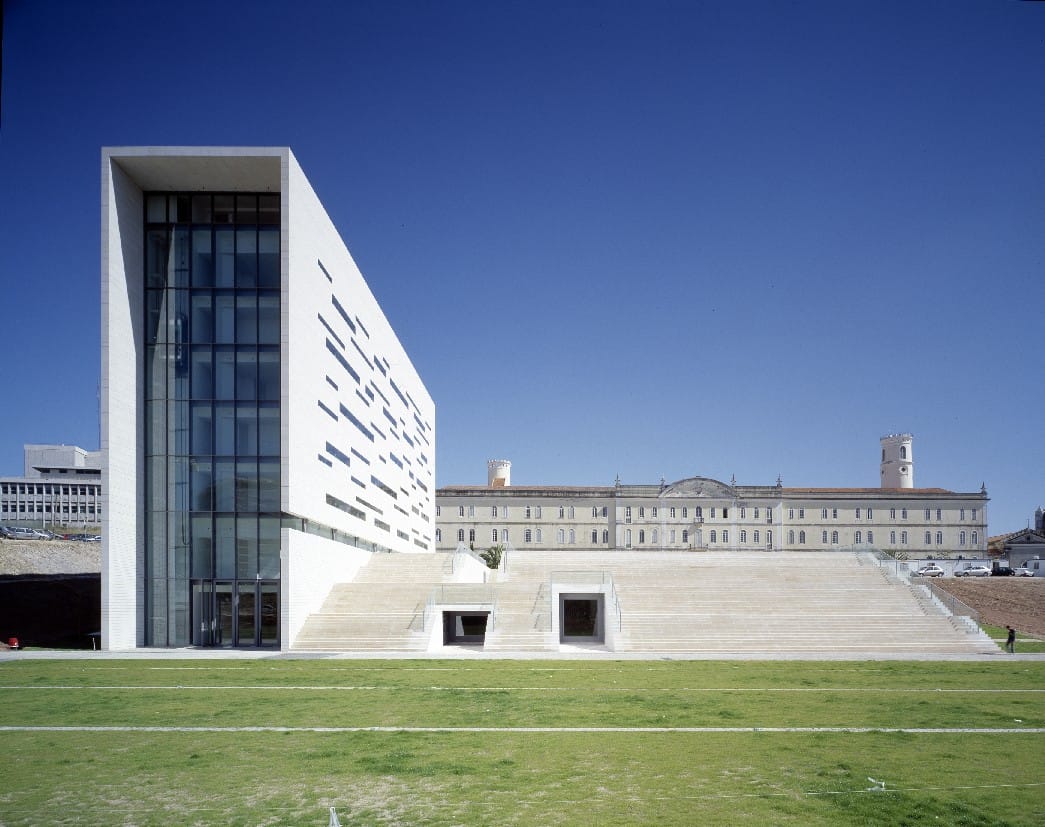
The Board of Trustees of the Universidade Nova de Lisboa (NOVA) decided unanimously on Thursday not to confirm the election of Paulo Pereira as rector, citing "illegalities committed throughout the process". It is the latest turn in a leadership dispute that has run for more than a year at one of Portugal's largest public universities, and the trustees themselves call the decision "unprecedented and serious".
"The Board of Trustees weighed this decision exhaustively and does not ignore its unprecedented and serious nature, but considers that it could not have taken any other direction, given the illegalities found throughout the process," the board said in a statement sent to Lusa. Its grounds, it said, relate "exclusively to the legality of the electoral process", which is the competence the statutes of the Fundação Universidade Nova give it. The decision has been sent to the Ministry of Education and to the candidates.
Paulo Pereira has promised to use "all the legal means at his disposal" to suspend the effects of the decision until the courts rule, Público reported.
How NOVA got here
NOVA is a public university run as a public foundation under private law, which is why the rector's election has to be confirmed by a board of trustees.
- 2025: Paulo Pereira, a researcher at the Faculty of Medical Sciences, is elected rector. The election is challenged by Professor Pedro Maló, whose candidacy had not been admitted.
- March 2026: the Lisbon Administrative Court sides with Maló and orders all acts of the electoral procedure to be repeated, with his candidacy admitted.
- April 2026: votes set for 24 and 30 April do not take place for lack of a quorum on the General Council.
- 13 May 2026: the General Council, meeting at eight days' notice, re-elects Pereira with 15 votes, more than he received the first time. NOVA SBE professor João Amaro de Matos was among the six candidates.
- August 2026: the Lisbon Administrative Court annuls the 13 May election on an action brought by Amaro de Matos. The university appeals.
- 24 September 2026: the trustees refuse to confirm the result.
What the court found
According to ECO's account of the August ruling, the court held that the university's own electoral rules required the election date to be set at least a month in advance, and that eight days between the 5 May decision and the 13 May vote broke that rule. It also found that the four-year mandate of the elected members of the General Council, elected in March 2022, had expired in March 2026, before they set the date. The court did not question the 15 votes Pereira received and did not find that the vote had been manipulated; it rejected claims of partiality or abuse of power as unproven.
A new law waiting in the wings
This election was held under the 2007 legal regime for higher education institutions (RJIES), in which the rector is chosen indirectly by the General Council. The new RJIES, published in the Diário da República on 20 July, provides for the rector to be elected by direct vote of the academic community, including former students and technical and management staff. Its transitional rules exclude electoral processes already under way. Whether a fresh election at NOVA would count as a new process, and so fall under the direct-vote model, is one of the questions the university and the ministry will now have to answer.
For students and staff, the practical effect so far is limited: teaching continues, and when it announced its appeal in August the university said it would ensure the institution's normal operation until there is a final decision.