EU Border System Flags Some Travellers as Overstayers After Their Exits Go Unrecorded: How to Verify Your Days and Correct the Record
The EU's Entry/Exit System is marking some non-EU visitors as overstayers because their exit was never logged, Which? and Euronews report. Residence permit holders are exempt, but visiting relatives are not: how to use the official calculator and who corrects records in Portugal.
The European Union's Entry/Exit System (EES), the digital register that replaced passport stamps for non-EU visitors, is flagging some travellers as overstayers because it never recorded them leaving. With no exit on file, the 90-days-in-180 clock keeps running after they leave. Euronews reported the problem on Wednesday, citing the UK consumer group Which?.
The best-known case involves a trip to Portugal. Which? reported that the British author Jojo Moyes was stopped at Marseille airport in October and told she had overstayed. According to Which?, the system showed her exit from an earlier trip to Portugal in May had not been logged, and a border officer warned her of a 10,000 euro fine and a two-year ban if she tried to re-enter before it was put right. Which? says she had spent only 23 days in Europe in the previous six months, and that dozens of its readers have reported similar problems.
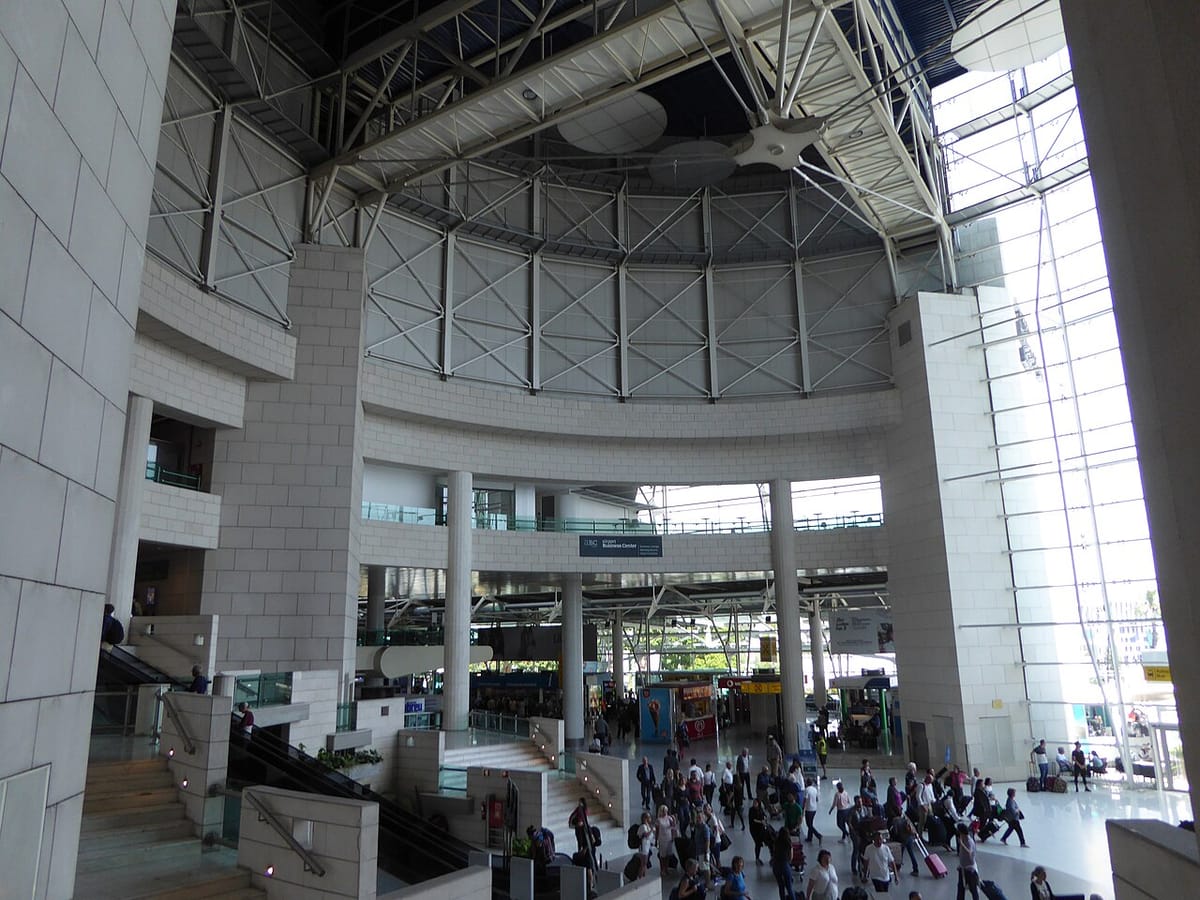
Where the gap arose has not been established. Which? notes that she remembers long queues at Lisbon airport, and suggests that suspended EES checks during the summer may leave records incomplete; it presents that as a possibility, not a finding. Which? and Euronews both said the European Commission had not replied to requests for comment. We found no public statement from the Commission or from eu-LISA, the EU agency that runs the system.
Who the system covers
EES registers non-EU nationals on short stays. The EU's official list of exemptions includes holders of residence permits and long-stay visas, and non-EU nationals who hold a residence card and are immediate family of an EU citizen. So most residents of Portugal with a valid permit are outside it, while visiting relatives and friends from the UK, Brazil or the United States are inside it. The EU pages do not say how a resident whose card has expired while an AIMA (Agência para a Integração, Migrações e Asilo, the migration agency) renewal is pending is treated; that question is for AIMA.
Our 3 November report on border refusals showed how often the 90-day limit already stops visitors.
How to verify your days and fix an error
- Use the official calculator. The EU's "Check how long you can stay" tool returns the days left from passport details and travel dates. It ignores any stay that began before 10 April 2026. Border officers can also tell you your remaining stay.
- Contact the data controller. Travellers have the right to ask for inaccurate or incomplete EES data to be corrected, according to the EU's data page. For Portugal, the official list of contacts names the Unidade de Coordenação de Estrangeiros e Fronteiras (UCFE, Border and Foreigners Coordination Unit) in Lisbon as controller. Complaints go to the Comissão Nacional de Proteção de Dados (CNPD, the data protection authority).
- Keep proof of every exit. Euronews and Which? advise sending a passport scan and evidence of departure, such as a boarding pass or train or bus ticket. Which? said Portugal's controller told it that Ms Moyes must supply a lawyer-certified passport copy as well as proof of exit.
The stakes are real. The EU says overstayers go on a list seen by border and visa staff, and national law can bring fines, removal or an entry ban. With no exit recorded, the file is kept for five years rather than about three. For relatives visiting this winter, keeping boarding passes and running the calculator before the next trip is a small chore that could spare a large one.
The separate ETIAS travel permit is still to come; our October explainer covers who will need it.