ENTSO-E Final Report Identifies 15 Factors Behind the Iberian Blackout, and What Portugal Must Fix
Nearly eleven months after the lights went out across the Iberian Peninsula, Europe's grid watchdog has delivered its final verdict. The ENTSO-E expert panel report, released on Monday, identifies at least 15 interacting factors that caused the...
Nearly eleven months after the lights went out across the Iberian Peninsula, Europe's grid watchdog has delivered its final verdict. The ENTSO-E expert panel report, released on Monday, identifies at least 15 interacting factors that caused the April 28, 2025 blackout — a cascading failure that left large parts of Portugal and Spain without power for up to 16 hours.
The conclusions matter for anyone living in Portugal. The report is not a finger-pointing exercise directed at renewables, as some had feared. Instead, it reveals systemic weaknesses in how the grid is managed, monitored, and defended — weaknesses that remain partly unresolved.
What Actually Happened
At 12:32 on April 28, 2025, the Iberian electrical system experienced a rapid and uncontrollable voltage rise. Within 84 seconds, more than 2.5 gigawatts of generation capacity was lost through a combination of generation disconnections, rapid power reductions, and sudden load increases in Spain's distribution network.
The Spanish and Portuguese grids then lost synchrony with the wider European network. Automated load-shedding and defense mechanisms activated but failed to stop the collapse. The result was the largest blackout in Western European history.
The Real Causes
The report pins blame on a web of interconnected failures. Key equipment for voltage control was operated manually, slowing response times. Grid operators lacked real-time visibility into the reactive power being supplied versus what was needed. Multiple conventional generators delivered under three-quarters of the reactive power requested by system operators during the critical period.
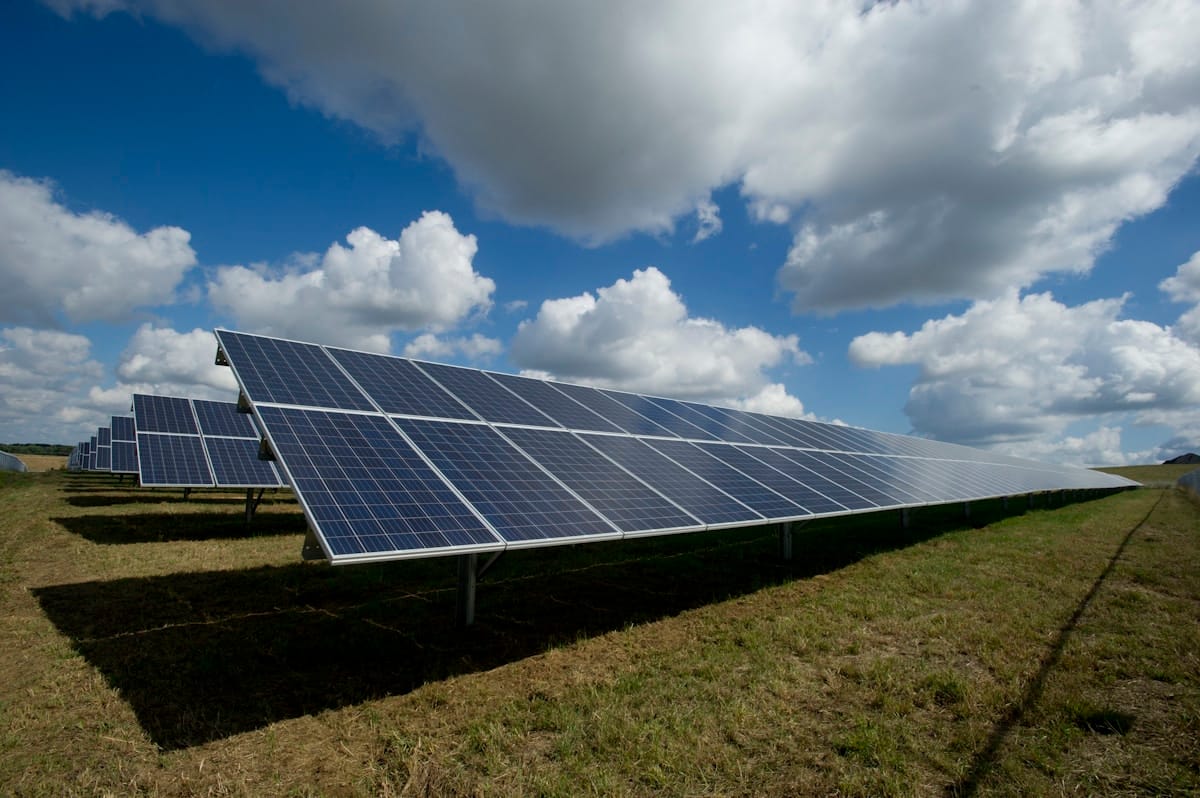
Renewable facilities, while not the root cause, contributed to the cascade. Many were operating under fixed power factor schemes that prevented them from adjusting to voltage changes. A significant number disconnected automatically before reaching permitted voltage limits, with overvoltage protection settings calibrated too sensitively.
ENTSO-E President Damián Cortinas was direct in his assessment: "Renewables were not the problem. Voltage control was."
23 Recommendations, Most Already Deployable
The panel issued 23 recommendations spanning voltage control, oscillatory stability, disconnection behavior, and system defense. Thirteen are directly tied to the blackout's root causes, and according to the experts, most can be implemented with technology that already exists.
Spain has already moved on several fronts. A decree strengthening grid resilience and boosting energy storage was passed earlier this year. Operational Procedure 7.4, which allows renewable facilities to contribute actively to voltage control, was fully implemented on March 17, 2026.
Portugal, for its part, has approved a legal framework allowing the government to cap electricity prices when markets become excessively volatile. But the structural grid upgrades — better reactive power monitoring, standardized voltage ranges, and adaptive load-shedding — require coordinated European action.
Why This Matters for Expats and Residents
Portugal's renewable energy output hit 79 percent last year, one of the highest rates in Europe. That achievement is real, but the blackout exposed the gap between generating clean power and managing a grid that depends on it.
The ENTSO-E report arrives at a moment when energy security is already under pressure. EU gas storage sits at around 30 percent — the lowest for this time of year since 2022 — and the Iran conflict has disrupted Qatari LNG shipments through the Strait of Hormuz. European Energy Commissioner Dan Jørgensen has urged member states to begin refilling reserves earlier than usual, while the European Commission has lowered storage targets to 80 percent, with exceptions down to 70 percent for some countries.
For Portugal, a country that imports most of its fossil fuel needs and has bet heavily on renewables, these twin pressures — grid fragility and energy supply disruption — underscore why the blackout report is not merely a historical document. It is a roadmap for the investments that need to happen before the next stress test arrives.
The rising fuel costs already straining household budgets make the stakes clear: Portugal needs a grid that can deliver on its renewable promise without leaving 10 million people in the dark.
Sources: ENTSO-E final report (March 2026), PV Tech, Euronews, Reuters, SolarPower Europe joint statement.
Related reading: Parliament's Blackout Inquiry Wants 72 Hours of Backup Power for Hospitals, Pharmacies and Food Retail