Sustainable Living in Portugal: Eco-Friendly Choices for Expats in 2026
Portugal has natural advantages when it comes to sustainability — abundant sunshine for solar, wind for renewable energy, and a culture that wastes less than many Northern European countries. But the country also faces serious environmental...
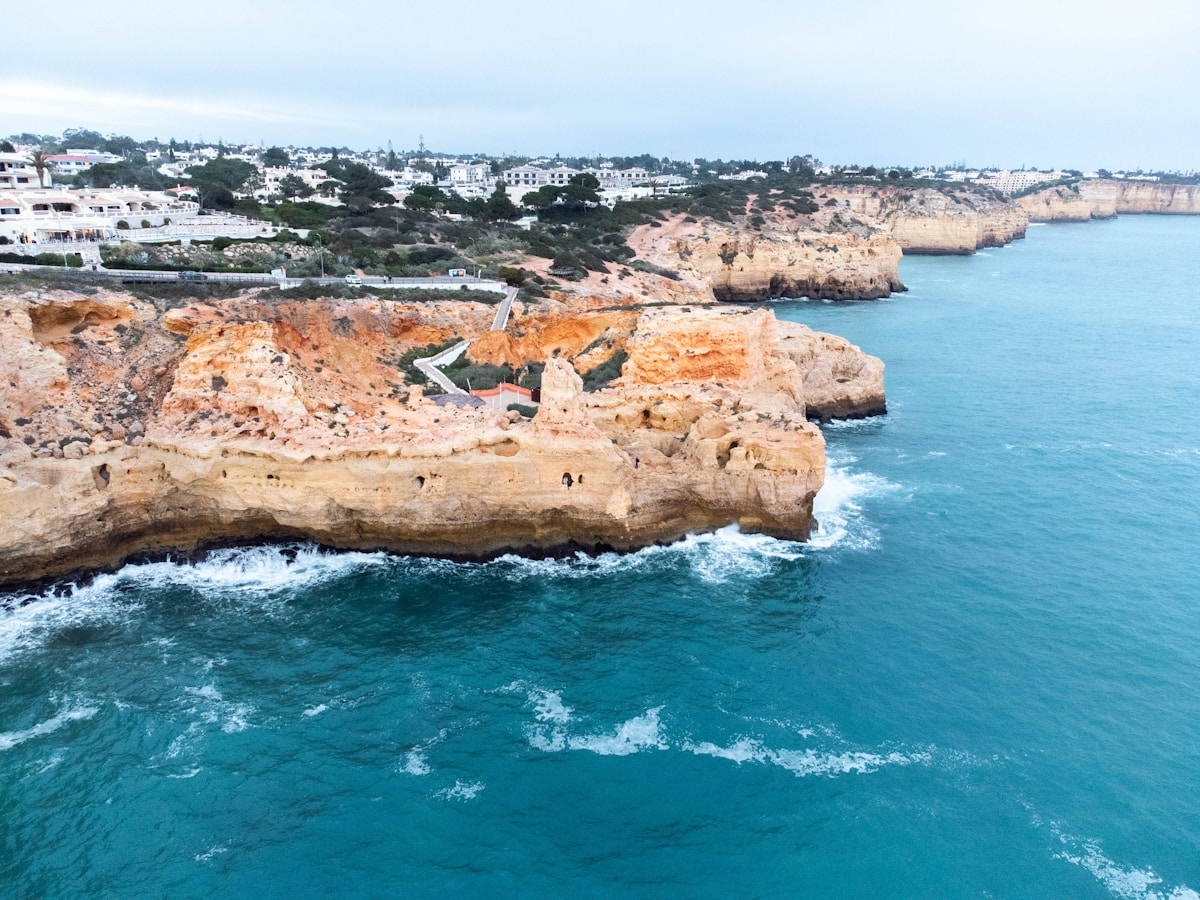
Portugal has natural advantages when it comes to sustainability — abundant sunshine for solar, wind for renewable energy, and a culture that wastes less than many Northern European countries. But the country also faces serious environmental challenges: water scarcity, wildfire risk, coastal erosion, and rapid tourism-driven development. Here's how expats can live more sustainably.
Energy: Solar Makes Sense Here
Portugal averages 2,500-3,000 hours of sunshine per year — among the highest in Europe. Solar energy isn't just environmentally friendly; it's financially smart.
Residential Solar
- Cost: A typical 3-4kW system (enough for a small house) costs €4,000-7,000 installed
- Government incentives: IVA at 6% (reduced from 23%) on solar panels and installation. IRS deduction for energy efficiency improvements (15% of costs, up to €500)
- Self-consumption: Since 2019, Portugal allows self-consumption with simplified registration. Systems up to 700W don't even need registration — just plug-and-play microinverters
- Payback period: Typically 5-8 years, after which electricity is essentially free for 15-20 more years
- Battery storage: Adding a battery (€3,000-6,000 for 5-10kWh) lets you store excess daytime production for evening use. Not yet cost-effective for everyone but improving rapidly
Community energy: Portugal's CER (Comunidades de Energia Renovável) framework allows neighbours to share solar production. Check if your municipality has active energy communities.
Electricity Providers
Portugal's liberalised energy market offers green options:
- Coopernico: Portuguese renewable energy cooperative. You can invest in solar projects and buy 100% renewable electricity
- Goldenergy: 100% renewable tariff options
- EDP Comercial: The largest provider offers green tariffs, though at a premium
Portugal generated 61% of its electricity from renewables in 2025 (hydro, wind, solar, biomass). On some days, renewable production exceeds total demand — the grid runs 100% renewable.
Water Conservation
Water is Portugal's growing crisis. The Algarve and Alentejo face severe drought regularly, and climate change is making it worse. Reservoir levels have dropped critically in recent years.
At Home
- Low-flow fixtures: Showerheads (8L/min vs 15+) and tap aerators save 30-50% without noticeable difference
- Dual-flush toilets: Standard in newer Portuguese homes. If yours is older, install a flush reducer (€5-15)
- Dishwasher vs hand washing: Modern dishwashers use less water than hand washing. Run full loads on eco mode
- Greywater: Using washing machine water for gardens is increasingly common, though not formally regulated
Gardens
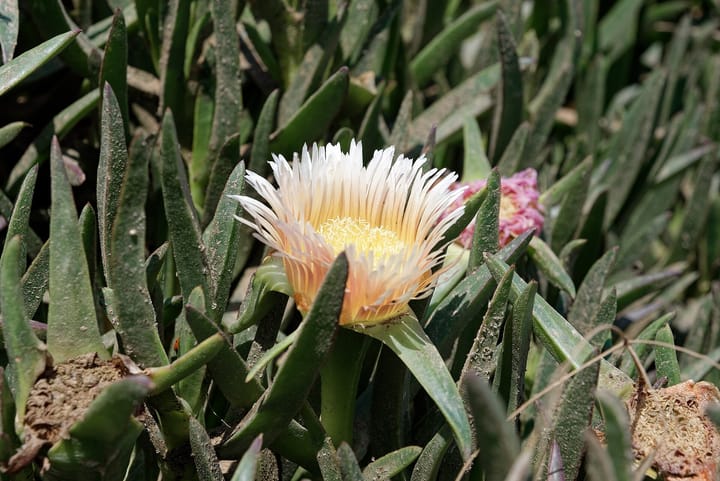
- Mediterranean plants: Lavender, rosemary, oleander, bougainvillea, olive trees — beautiful and drought-adapted
- Drip irrigation: Uses 30-50% less water than sprinklers. Programmable systems run at night to minimise evaporation
- Mulching: 5-10cm of organic mulch reduces watering needs by 25%
- Rainwater harvesting: Legal and encouraged. A 1,000L tank costs €100-300 and captures winter rain for summer garden use
Waste and Recycling
Portugal's recycling infrastructure has improved dramatically but still lags Northern Europe. The system uses ecopontos — colour-coded street bins:
- Yellow (embalagens): Plastic, metal, Tetra Pak packaging
- Blue (papel/cartão): Paper and cardboard
- Green (vidro): Glass (bottles and jars only, not ceramics or light bulbs)
- Grey/black (lixo indiferenciado): Everything else — goes to landfill or incineration
Common mistakes:
- Pizza boxes go in the grey bin (grease contaminates paper recycling)
- Styrofoam goes in the yellow bin (it's packaging)
- Ceramic and Pyrex do NOT go in the green bin (different melting points ruin glass recycling)
- Cooking oil should go to collection points (many supermarkets have them), never down the drain
Organic Waste
Portugal is rolling out brown bins for organic waste (food scraps, garden waste). Coverage varies by municipality — Lisbon and Porto are leading. If your area doesn't have brown bins yet, composting at home is the best alternative.
Reducing Waste
- Refill shops: Growing number in Lisbon, Porto, and Braga — bring containers for cleaning products, grains, and personal care
- Bag law: Plastic bags cost €0.10+ in stores (since 2015). Bring your own. Portuguese consumption dropped 74% after the law
- Mercados: Municipal markets (Mercado da Ribeira, Bolhão, etc.) sell loose produce — less packaging than supermarkets
- Too Good To Go: Active in Portugal — rescue unsold food from bakeries and restaurants at 1/3 price
Sustainable Transport
Public Transport
- Navegante pass (Lisbon): €40/month for unlimited metro, bus, tram, ferry, and suburban trains across the metropolitan area. One of Europe's best value transit passes.
- Andante (Porto): Zone-based system, reasonably priced for daily commuting
- Sub23 pass: Free public transport for residents under 23 across all of Portugal
Electric Vehicles
Portugal has one of Europe's densest EV charging networks relative to population:
- Mobi.E network: 5,000+ public charging points across the country
- ISV tax: Significantly lower for EVs and PHEVs. A €50,000 EV pays a fraction of the ISV a comparable petrol car would
- IUC: Electric vehicles are exempt from annual road tax (Imposto Único de Circulação)
- Home charging: Combined with solar panels, an EV's running cost approaches zero
Cycling
Portugal is investing in cycling infrastructure, though it remains hilly and car-dominated in most areas:
- Lisbon: Gira bike-share system (€25/year), expanding cycle lane network, e-bikes making hills manageable
- Aveiro: Portugal's flattest city and most cycle-friendly — free BUGA bikes
- E-bike subsidies: Some municipalities offer purchase subsidies for e-bikes. Check your câmara
Sustainable Food
Organic and Local
- Mercados biológicos: Organic markets exist in most cities — weekly or biweekly. Príncipe Real market (Lisbon, Saturday) is the most established
- AMAP boxes: Community-supported agriculture — pay a farmer directly for weekly/biweekly vegetable boxes. Fresher, local, and builds direct relationships
- Certification: Look for the EU organic leaf logo or Portuguese "Agricultura Biológica" certification
Seasonal Eating
Portugal's mild climate allows year-round local produce:
- Spring: Strawberries, broad beans, peas, asparagus
- Summer: Tomatoes, peppers, stone fruit, figs, melons
- Autumn: Chestnuts, mushrooms, persimmons, quince
- Winter: Citrus (oranges from the Algarve), cabbage, turnips, root vegetables
Portugal's traditional cuisine is inherently seasonal and low-waste. The culture of using leftovers (roupa velha from Christmas bacalhau, açorda from stale bread) is sustainability built into the food culture.
Housing and Building
- Energy certificates: All properties for sale or rent must have an energy performance certificate (SCE). Look for ratings A+ to C. D and below means high energy costs.
- Insulation: Many older Portuguese buildings have poor insulation (built for hot summers, less consideration for winter). Adding insulation, double glazing, and draught-proofing can reduce heating costs by 40-60%.
- Heat pumps: Air-source heat pumps for heating and hot water are increasingly popular and cost-effective in Portugal's mild climate. COP of 3-4 means they produce 3-4x more heat energy than the electricity they consume.
- Traditional building: Thick stone walls, interior shutters, tile roofs — Portuguese traditional architecture was sustainable before the term existed. Modern renovations that respect these features (rather than replacing them with glass and steel) often perform better thermally.
Wildfire Prevention
Wildfires are Portugal's most devastating environmental challenge. The 2017 fires killed over 100 people and burned 500,000+ hectares. As a resident, you can help:
- Clear vegetation around your property: Legal requirement within 50m of buildings (100m in some areas). Câmaras enforce this and can fine property owners who don't comply.
- Report illegal burning: Agricultural burning is regulated (November to May only, with permits). Report violations to GNR or câmara.
- Eucalyptus awareness: Portugal's eucalyptus monoculture (planted for paper pulp) is a major fire accelerant. Supporting native reforestation initiatives (Plantar Portugal, ICNF programmes) helps rebuild resilient landscapes.
- Emergency preparedness: Know your evacuation routes. Download the Prociv app for fire alerts. Keep essential documents in a go-bag during summer fire season.
Community and Activism
- Quercus: Portugal's leading environmental NGO — beach cleanups, habitat protection, policy advocacy
- GEOTA: Environmental and land-use planning organisation
- Brigada do Mar: Regular beach and river cleanups across the country
- Local initiatives: Many câmaras run environmental programmes — tree planting, composting workshops, community gardens. Check your municipality's sustainability office.
Sustainable living in Portugal isn't about sacrifice — it's about alignment. The sunshine makes solar obvious, the climate makes water conservation essential, the food culture already values seasonal and local, and the transport infrastructure is improving fast. Portugal's environmental future depends on everyone who lives here, including expats, treating its resources with the respect they deserve.