Fuel Price Surge Sidelines 1,500 Ride-Hail Cars in Lisbon and Porto as Uber and Bolt Refuse to Raise Fares
Rising fuel costs have forced 1,500 combustion-engine TVDE drivers off the road in March alone. The industry association says the current model is broken and demands government intervention.
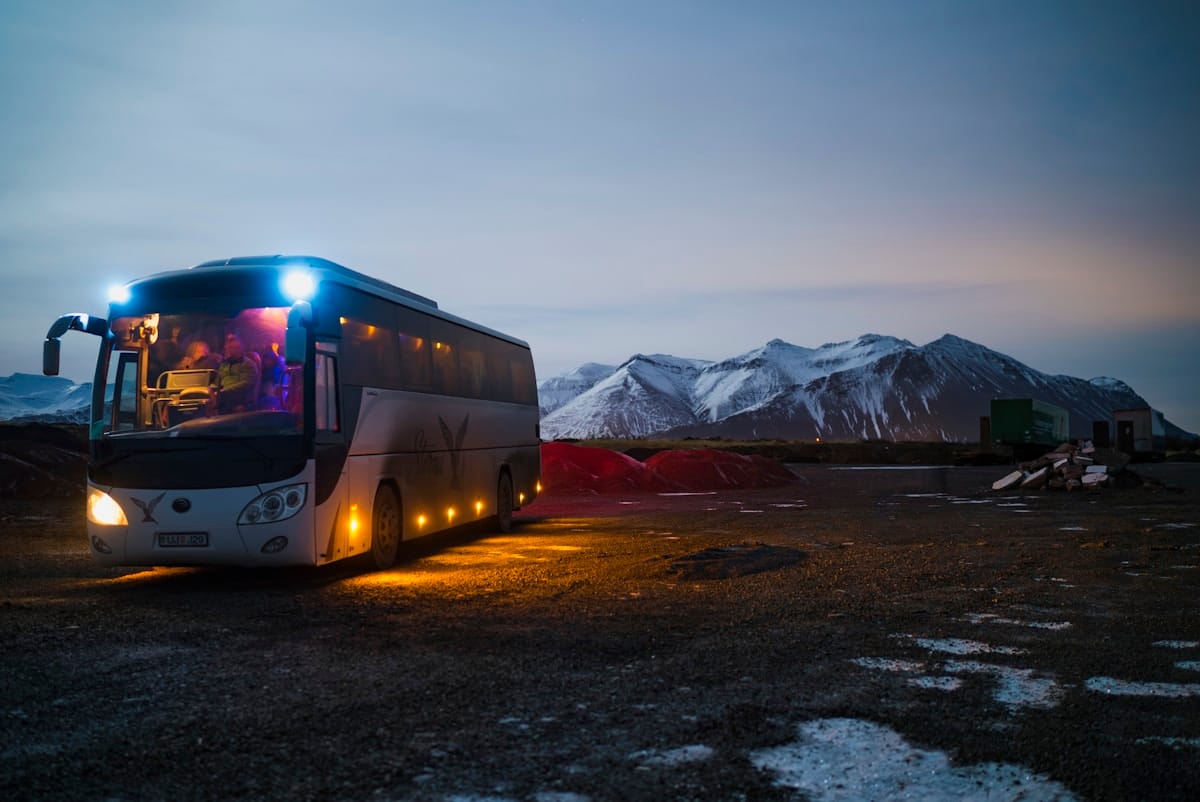
If your Uber or Bolt rides in Lisbon or Porto have felt harder to book lately, there is a concrete explanation: 1,500 combustion-engine vehicles have stopped operating on the two platforms this month, unable to absorb fuel prices that have climbed more than 40 cents per litre since the start of the Iran-driven energy crisis.
The figures, released on 25 March by the Associação Portuguesa de Transportadores em Automóveis Descaracterizados (APTAD), the main industry body for Portugal's TVDE ride-hail sector, paint a picture of an operating model under severe strain. And the association is directing its frustration squarely at the platforms themselves.
The Numbers Behind the Walkout
Combustion-engine cars still account for 57 percent of Portugal's active TVDE fleet, with electric vehicles making up the remaining 43 percent. Among the majority running on diesel or petrol, the economics have turned sharply negative.
Fuel prices have risen by more than 40 cents per litre in recent weeks — a figure that has accelerated since the government's ISP tax discount proved insufficient to offset the underlying surge driven by the Middle East conflict's impact on global energy markets. Yet neither Uber nor Bolt has adjusted its fare structure to reflect the higher operating costs.
"It simply stopped being viable to work under these conditions," APTAD said in its statement, adding that the full scale of the problem is "masked by electric vehicles" that are insulated from fuel-price volatility.
Platforms Stay Silent
What appears to have angered the sector most is not just the lack of a fare adjustment, but the total absence of any response from the platforms. APTAD says it sent open letters to both Uber and Bolt asking what measures they planned to implement. Neither company replied.
"No tariff adjustment. No support mechanism. No response to our letters," the association said. "This is proof that the current legal framework has failed."
Under Portugal's existing TVDE legislation, platforms retain broad discretion to set fares unilaterally, with no obligation to reflect real operating costs. APTAD has lobbied the government for amendments that would introduce minimum tariffs and a minimum vehicle-occupancy rate per platform — changes designed to prevent a race to the bottom on pricing.
Why This Matters for Passengers
For the millions of residents and visitors who rely on ride-hailing in Portugal's two largest cities, the immediate impact is longer wait times and potentially higher surge pricing during peak hours. But the structural implications run deeper.
If combustion-engine drivers continue to exit the market and electric-vehicle adoption does not accelerate fast enough to fill the gap, Portugal's urban mobility network could face a sustained capacity crunch — particularly outside central zones where EV charging infrastructure remains thin.
The TVDE sector has grown rapidly since Portugal legalised ride-hailing in 2018, and the industry employs a significant number of immigrant workers. A prolonged squeeze on driver economics risks pushing vulnerable workers into precarity at a time when the broader cost-of-living picture remains uncertain.
What Comes Next
APTAD is calling for immediate government intervention, arguing that the TVDE law needs structural reform — not just a temporary fix. The association's proposal includes mandatory minimum fares, a requirement for platforms to adjust tariffs when fuel costs move beyond a defined threshold, and greater transparency on commission structures.
The government has signalled that it is considering structural energy-cost measures if the Middle East conflict continues, but has not yet addressed the TVDE sector specifically. With renewables shielding Portugal from the worst of the energy crisis on the electricity side, transport fuels remain the economy's most exposed flank.
Sources: ECO, Lusa/APTAD statement (25 March 2026)