Oil Crashes Below $100 on Ceasefire Hopes, and Portugal Stands to Gain More Than Most
For the first time in three weeks, Brent crude dipped below $100 per barrel on Tuesday, falling roughly six percent after reports emerged of a 15-point diplomatic proposal that could de-escalate the conflict with Iran. West Texas Intermediate...
For the first time in three weeks, Brent crude dipped below $100 per barrel on Tuesday, falling roughly six percent after reports emerged of a 15-point diplomatic proposal that could de-escalate the conflict with Iran. West Texas Intermediate dropped to around $87. Global stock markets rallied in response, with investors pricing in — cautiously — the possibility that the worst of the energy shock might be over.
The question for Portugal is not whether cheaper oil would help. It obviously would. The question is how much, and how quickly.
The Scale of the Relief
Since the Strait of Hormuz disruptions began in late February, Portugal has been navigating the same energy headwinds as the rest of Europe. Fuel prices at the pump climbed past two euros per litre in several regions. The Bank of Portugal confirmed last week that the economy contracted in the first quarter, with energy costs a contributing factor alongside storm damage.
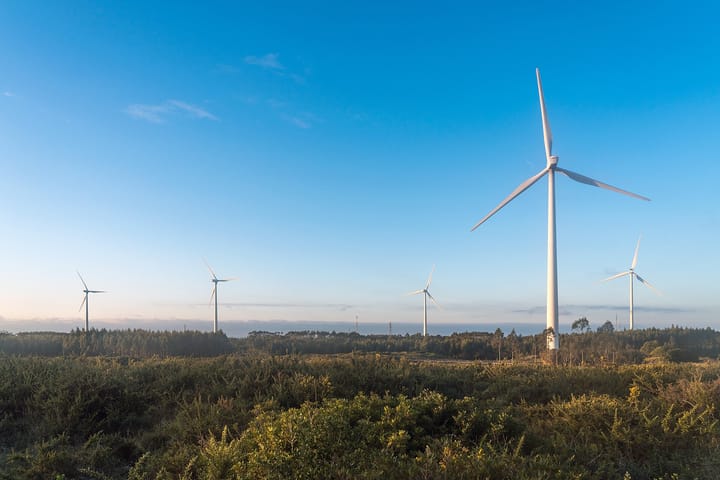
But Portugal's exposure to oil price shocks is structurally different from much of Europe. The country generates roughly 70 percent of its electricity from renewable sources — a buffer that has already kept wholesale power prices lower than in more fossil-dependent neighbours. Where the pain bites is in transport, logistics, and the knock-on effects on food prices and services.
A sustained return to sub-$100 oil would ease pressure on those sectors, potentially slowing the inflationary momentum that the European Central Bank has been watching with growing concern. For Portuguese households, it would mean marginally lower fuel and heating bills — not a transformation, but a meaningful improvement.
Why Caution Is Warranted
Markets have been here before. Ceasefire rumours have triggered sharp intraday swings in oil prices several times since the conflict began. BlackRock CEO Larry Fink warned this week that if Iran continues to threaten the Strait of Hormuz, the world could face years of $100-to-$150 oil — a scenario he said would cause a global recession.
The 15-point proposal, reportedly circulated by intermediaries including Qatar and Oman, has not been publicly confirmed by any party to the conflict. Traders remain sceptical that the United States, Israel, and Iran can reach terms quickly, given the depth of the military engagement. The diplomatic track is alive, but fragile.
For Portugal's government, which has already signalled it may introduce structural measures to manage energy costs, the uncertainty argues for continued preparation rather than premature relief. The 2026 budget assumptions, already strained by higher-than-expected costs, would benefit enormously from a ceasefire — but fiscal planning cannot rest on hope.
What to Watch
The next 48 hours matter. If the ceasefire proposal gains traction and oil holds below $100, consumer confidence — which crashed to a two-and-a-half-year low across the eurozone this week — could begin to recover. For Portugal's tourism sector, which is bracing for a slower 2026, lower fuel costs would ease airline operating expenses and potentially support summer bookings.
But if the proposal collapses and prices spike back toward $120 or beyond, the economic pressure on Portugal — and on the government's already stretched budget — will intensify. The renewables advantage is real, but it does not make the country immune.
For now, the drop below $100 is a data point, not a turning point. The difference depends on diplomacy.