EU Summit Ends With Ultimatum on Strait of Hormuz as Energy Fears Grip Europe
The European Council wrapped up a tense two-day summit in Brussels on Friday with a joint statement demanding the immediate reopening of the Strait of Hormuz and a moratorium on strikes against energy and water infrastructure in the Middle East. For...
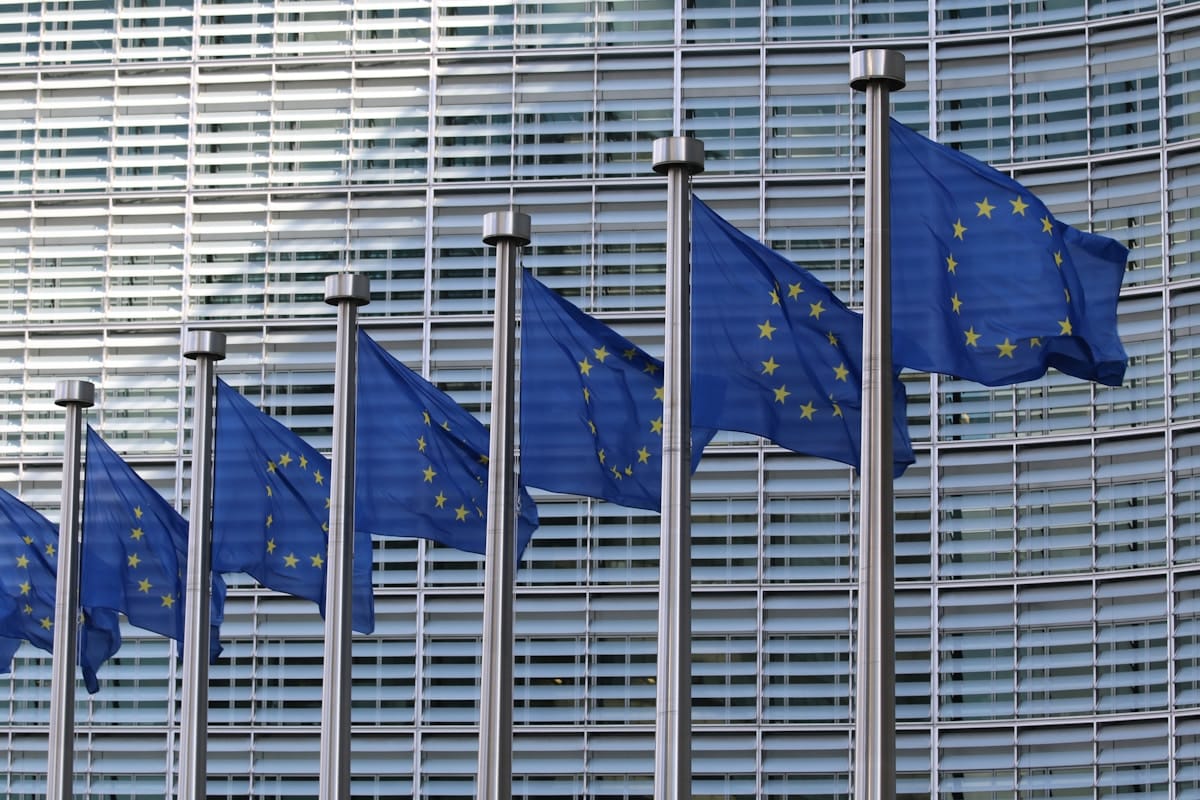
The European Council wrapped up a tense two-day summit in Brussels on Friday with a joint statement demanding the immediate reopening of the Strait of Hormuz and a moratorium on strikes against energy and water infrastructure in the Middle East. For Portugal, already grappling with rising fuel and food costs, the summit's outcome underscores just how exposed the country remains to geopolitical forces well beyond its control.
All 27 EU heads of state signed on to the declaration calling for "de-escalation and maximum restraint" from warring parties, as the disruption to oil shipping lanes caused by the US-Israeli military campaign against Iran continues to drive global energy prices upward. The language was notably firmer than in previous summits, reflecting the growing alarm across European capitals.
Portugal at the Table
Prime Minister Luis Montenegro arrived in Brussels already managing a domestic balancing act. Earlier this week, his government approved electricity price caps for households and most businesses, subsidies on bottled gas, and a tariff shield on diesel. At the summit, he acknowledged publicly what analysts have been saying for weeks: Portugal may post a budget deficit in 2026 for the first time in years.
"Because we have had sustained economic growth and good budgetary performance in recent years, we may eventually have a deficit situation and still maintain balance in our public accounts," Montenegro told reporters. He was careful to frame this as a responsible choice rather than fiscal failure, stressing it would not trigger an excessive deficit procedure with the European Commission.
The Divide Over Solutions
While the 27 leaders agreed that energy prices are a serious problem, they remained deeply split on how to address them. The quota trading system -- a mechanism to coordinate how member states share and distribute energy reserves -- proved especially divisive. Southern European nations, including Portugal and Spain, have pushed for more aggressive market intervention, including coordinated price caps at the EU level. Northern countries, led by the Netherlands and parts of Scandinavia, remain wary of distorting markets.
Germany's Friedrich Merz and France's Emmanuel Macron walked into the summit side by side, projecting unity, but behind closed doors the Franco-German axis struggled to produce a concrete roadmap. The summit conclusions called on the European Commission to present emergency options within two weeks -- a timeline that suggests urgency but also reveals the lack of consensus on immediate action.
What It Means for Portugal
For residents and expats in Portugal, the summit's significance is both abstract and very real. The country sources a substantial share of its electricity from renewables, which provides some insulation against fossil fuel price spikes. But transport costs, heating with gas, and the ripple effects through supply chains -- from supermarket shelves to restaurant menus -- are harder to shield.
The government's emergency measures, announced throughout this week, represent a first line of defence. But if the Middle East conflict drags on and the Strait of Hormuz remains partially blocked, Portugal will need deeper structural responses. Montenegro has already hinted at applying for the European Solidarity Fund to cover storm damage from earlier this year. A prolonged energy crisis would test whether those fiscal buffers hold.
The EU's collective statement may be a diplomatic signal, but for Portuguese households watching their electricity and fuel bills climb, the question is simpler: when does the pressure ease? On that, Brussels offered concern but few guarantees.
Read more: Spain's 30-Cent Fuel Tax Cut