How Renewables Are Shielding Portugal From the Worst of Europe's Iran-Driven Energy Crisis
While much of Europe grapples with electricity prices above 150 euros per megawatt-hour and diesel costs that have triggered emergency government interventions, Portugal finds itself in a notably different position. Wholesale power prices on the...
While much of Europe grapples with electricity prices above 150 euros per megawatt-hour and diesel costs that have triggered emergency government interventions, Portugal finds itself in a notably different position. Wholesale power prices on the Iberian market have held around 60 to 70 euros per MWh -- less than half the levels seen in gas-dependent economies like Germany and Italy.
The reason is structural, not accidental. And it carries lessons for anyone trying to understand where Portugal's economy is heading.
The Iberian Exception
Spain and Portugal share an electricity market (MIBEL) that operates somewhat independently from the rest of continental Europe, with limited interconnection capacity to France and beyond. This relative isolation, combined with years of heavy investment in wind and solar generation, has created what energy analysts call an "island effect" -- local market dynamics driven more by weather patterns and renewable output than by global gas prices.
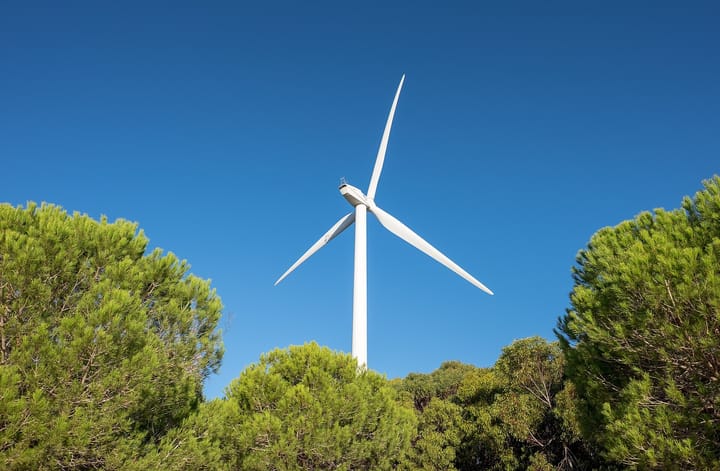
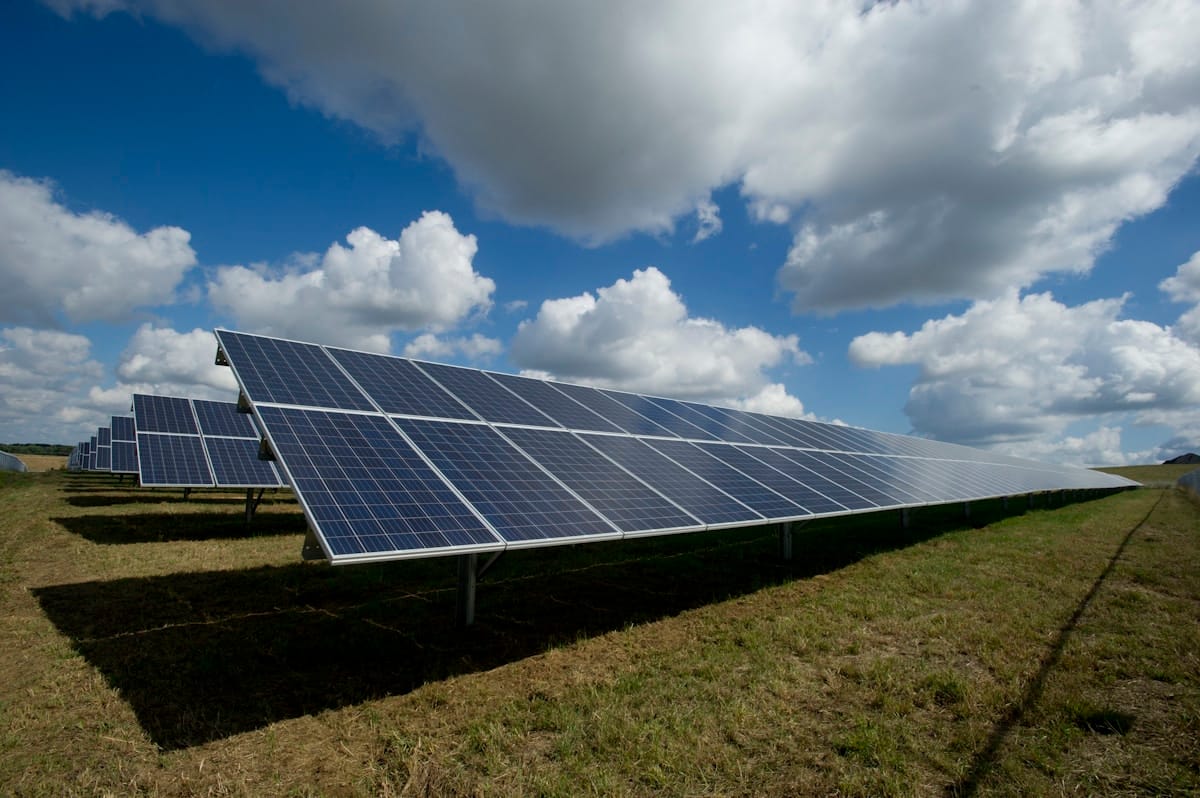
Under the Merit Order system that governs European electricity markets, the cheapest generators dispatch first. When wind turbines and solar panels -- which have near-zero marginal costs -- generate enough power, they push expensive gas-fired plants off the grid entirely. In Portugal and Spain, this happens frequently enough to keep average prices structurally lower than in countries that still rely heavily on natural gas for electricity.
The International Energy Agency's chief, Fatih Birol, said last week that the current energy crisis -- driven by the closure of the Strait of Hormuz and attacks on Iranian energy infrastructure -- is comparable in scale to the twin oil shocks of the 1970s combined with the fallout from the Ukraine war. For gas-dependent European economies, that comparison is apt. For Iberia, the picture is more nuanced.
Not Immune, But Better Insulated
Portugal is not completely shielded. Diesel fuel prices have risen 17.5 percent since the conflict escalated, according to Euronews data -- a painful increase for haulage companies, commuters, and anyone dependent on road transport. Portugal has already cut fuel taxes in response, joining Austria, Brazil, Italy, and Turkey in an emergency measure tracked by the IEA.
The government also approved legislation last week allowing it to temporarily cap electricity prices for households and most businesses, though officials stressed that Iberian wholesale prices remain well below the trigger threshold. It is a precautionary measure rather than an emergency one -- a distinction that matters.
Where the real advantage shows is in electricity generation. Portugal's grid drew roughly 70 percent of its power from renewable sources in 2025, with wind and solar contributing the lion's share. The country's relatively low exposure to gas-fired generation means that even as global LNG prices spike, the pass-through to Portuguese electricity bills is muted compared to what households in Central and Eastern Europe are experiencing.
What This Means for Residents and Businesses
For anyone living or running a business in Portugal, the practical implications are significant. Electricity costs, while not immune to upward pressure, are rising far less than in most of the EU. The government's price cap legislation provides an additional safety net. And Portugal's continued investment in renewables -- including the national data centre plan targeting 1 GW of capacity by 2030, powered largely by green energy -- positions the country as an increasingly attractive location for energy-intensive industries.
The contrast with gas-dependent neighbours is becoming a genuine competitive advantage. When French and German businesses pay twice as much for power, Portugal's pitch to foreign investors becomes considerably more persuasive.
None of this makes Portugal immune to the broader economic fallout of the Iran conflict. Transport costs, imported goods, and inflation pressures remain real concerns. But on the energy front, the Iberian renewable strategy is proving its worth precisely when it matters most.
Related reading: