How Exposed Is Portugal to the Middle East Energy Shock? A Closer Look at the Numbers
As the US-Israel military campaign against Iran enters its 25th day with no clear path to de-escalation, the economic aftershocks are rippling through Europe — and Portugal, despite its renewable energy advantage, is not immune. A detailed...
As the US-Israel military campaign against Iran enters its 25th day with no clear path to de-escalation, the economic aftershocks are rippling through Europe — and Portugal, despite its renewable energy advantage, is not immune. A detailed analysis published Tuesday by ECO, drawing on data from the INE, DGEG and Bank of Portugal, paints a picture of an economy that is better positioned than most of its European peers but increasingly feeling the pressure at the pump, in the power market, and in household budgets.
The Price Shock in Numbers
The figures tell a stark story. Brent crude has climbed from roughly 72 dollars per barrel on 27 February — the day before the first strikes on Iran — to around 100 dollars at the start of this week, a 39 percent increase. European gas prices on the Dutch TTF benchmark have nearly doubled over the same period, from 32 to nearly 57 euros per megawatt hour.
In Portugal, the effects are visible at the petrol station. Average diesel prices have risen from 1.59 euros to 1.93 euros per litre since late February, while petrol 95 has climbed from 1.68 to 1.86 euros. On the wholesale electricity market, Iberian prices spiked above 130 euros per MWh on 10 March before retreating to around 35 euros — still nearly double pre-conflict levels.
These are not abstract numbers. Rising fuel costs feed directly into transport, logistics, agriculture and manufacturing. For a country where private consumption drove 3.5 percent growth last year and contributed 3.7 percentage points to GDP, the risk of a consumer pullback is the single biggest domestic concern.
Portugal's Structural Advantages
The good news is that Portugal is not starting from a position of vulnerability. The country's direct trade exposure to Iran is negligible — imports from Tehran totalled just 528 million euros in 2024, rising to 1.9 billion in 2025, but representing a near-zero share of total imports and consisting mainly of agricultural goods, plastics and paper.
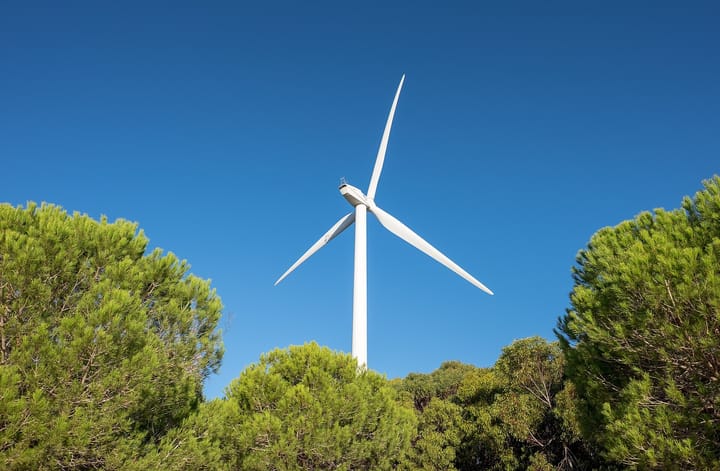
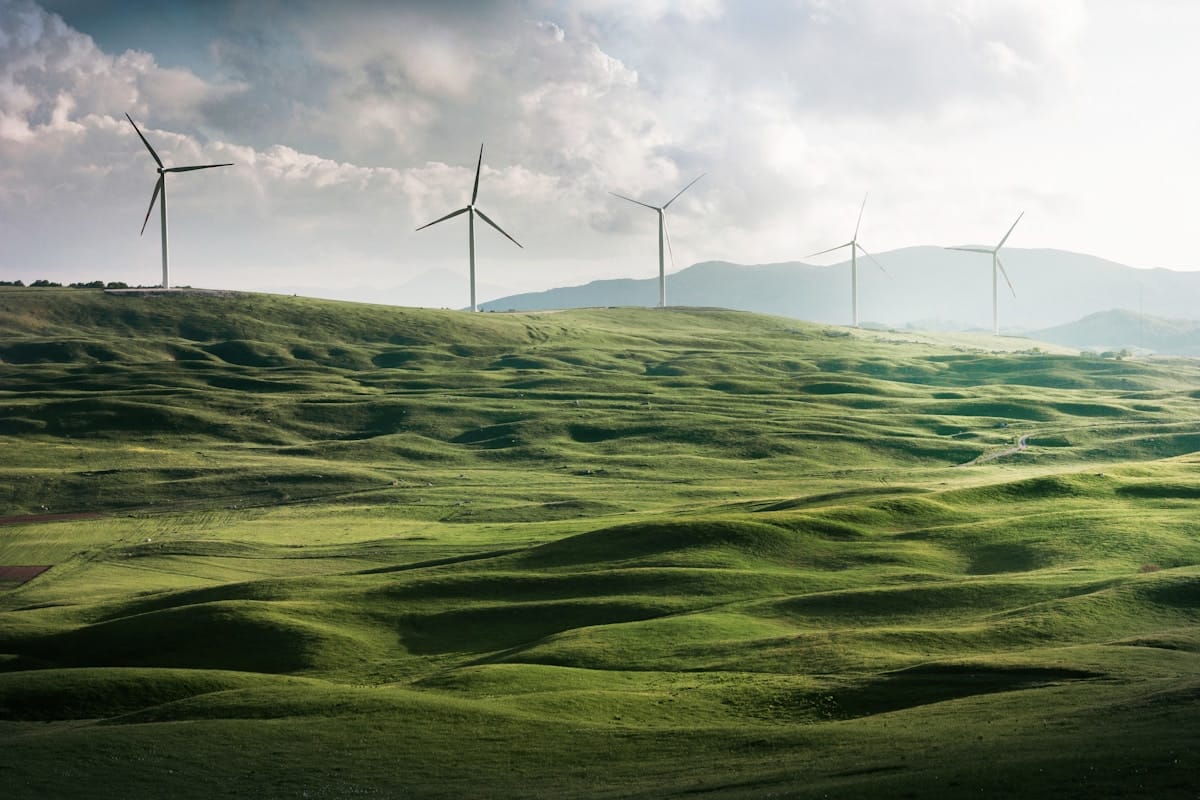
More importantly, Portugal's renewable energy infrastructure provides a significant buffer. With renewables supplying 79 percent of electricity generation, the country is far less dependent on gas-fired power than Germany, Italy or the Netherlands. Its gas reserves also sit at a comfortable 82 percent, well above the European average of under 30 percent.
Nuno Ribeiro da Silva, a former Secretary of State for Energy and ex-CEO of Endesa Portugal, told ECO that Portugal is “affected at the price level, as we are seeing, but we have conditions that in an overall balance are favourable for not being as exposed to the other possible problem, which is a physical supply disruption.”
The Budget Impact
The Ministry of Finance's own stress tests, prepared for the 2026 State Budget, modelled a 20 percent oil price shock above the base assumption of 65.40 dollars per barrel. Even that relatively modest scenario projected a 0.1 percentage-point hit to GDP growth and a deterioration of the trade balance by 0.2 percent of GDP. With Brent now at 100 dollars — more than 50 percent above that base case — the actual impact is likely to be considerably worse.
The European Central Bank's adverse scenario, updated last week, models oil at 120 dollars per barrel; its severe scenario pushes to 150 dollars. Portugal's budget arithmetic becomes progressively more strained under either.
Paula Carvalho, chief economist at BPI, warned that the danger may be psychological as much as mathematical: “If households and businesses, worried about the geopolitical context, overreact and reduce consumption and investment as a precaution, the impact of the shock will be significant.”
What Comes Next
Foreign Minister Paulo Rangel acknowledged on Sunday that the government may need to move beyond the emergency fuel tax measures already in place. If the conflict drags on, he said, “naturally we will have to take some more concrete structural measures to ease the burden on businesses and families.” He declined to specify what those measures might be, but the signal was clear: the current ISP fuel tax discount may soon be insufficient.
For now, Portugal occupies an uncomfortable middle ground. Its energy mix and reserve levels offer genuine protection against supply disruption. But in a globalised oil market where price is set at the margin, no amount of renewable capacity shields consumers from the cost of filling a tank or heating a home. The question is no longer whether Portugal will be affected, but how deeply — and whether the energy crisis framework the government has been reluctant to trigger will finally need to be activated.