Portugal's Renewable Energy Machine Hits 79 Percent, Saving 900 Million Euros and Climbing the European Rankings
Portugal generated 79 percent of its electricity from renewable sources through February 2026, placing it third in Europe and delivering an estimated 900 million euros in savings compared to fossil fuel alternatives. The figures, released this week...
Portugal generated 79 percent of its electricity from renewable sources through February 2026, placing it third in Europe and delivering an estimated 900 million euros in savings compared to fossil fuel alternatives. The figures, released this week by energy regulators, confirm that the country's green transition is no longer aspirational. It is an economic fact.
Where the Power Comes From
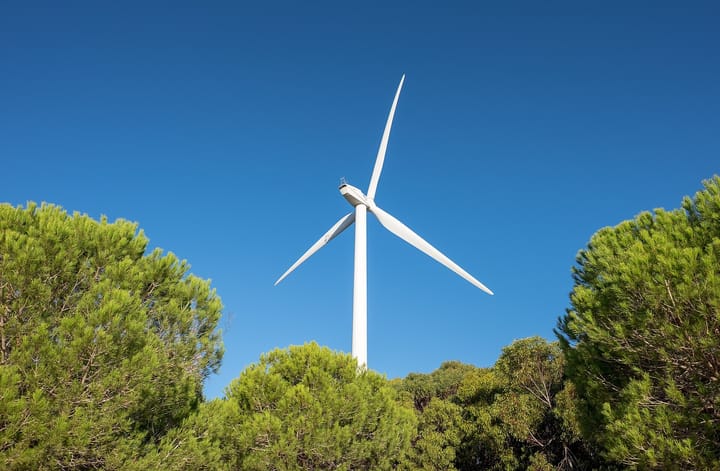
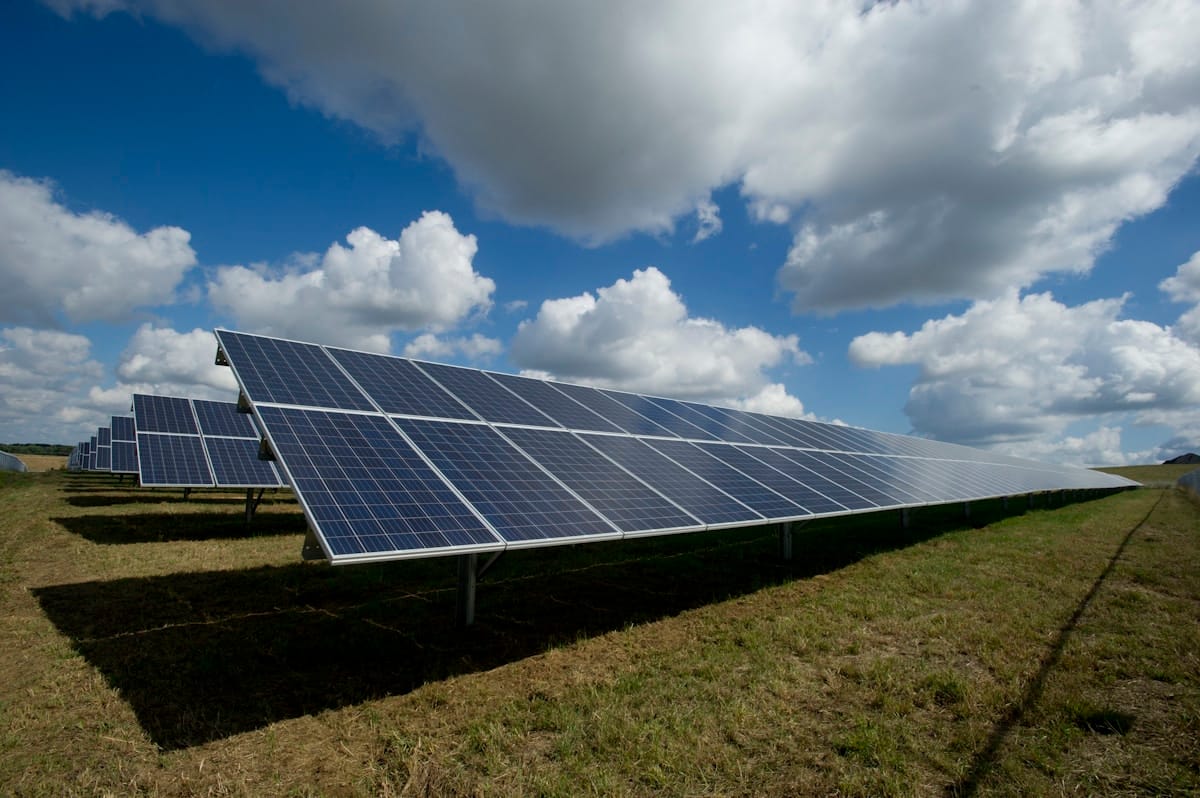
Hydroelectric generation led the way at 37.2 percent of total output, benefiting from a winter of heavy rainfall that pushed dam reservoirs to near-capacity. Wind energy contributed 31.3 percent, up sharply after a particularly breezy February that added 716 GWh of generation compared to the same month last year. Solar photovoltaic, still the smallest of the three pillars at 5.2 percent, continues its rapid growth trajectory.
Overall electricity production rose 20.1 percent year-on-year through February, a surge driven almost entirely by renewables. The result crashed wholesale electricity prices on the Iberian market (MIBEL) to 5.1 euros per megawatt-hour in February, among the lowest in Europe.
The Self-Consumption Revolution
Beyond the grid-scale numbers, a quieter transformation is underway on Portugal's rooftops. The energy regulator ERSE reports that installed self-consumption capacity, mostly household and small-business solar panels, grew by 57 percent over the past year. This rooftop revolution is changing consumption patterns across the country, as homes and businesses generate their own electricity during peak sun hours and draw less from the grid.
Porto alone saw its renewable energy production reach a historic maximum in 2025, with a 37 percent increase driven largely by distributed solar installations. The trend is accelerating as panel costs continue to fall and government incentive programs simplify the permitting process.
Government Doubles Down
The Council of Ministers approved a new package of legislation this week aimed at simplifying and accelerating the licensing of renewable energy production centres. The measures reflect a strategic calculation that goes beyond climate targets: with the Iran conflict threatening energy supply chains and pushing fuel prices higher, domestic renewable capacity is increasingly seen as a matter of national security.
By January 2026, renewable capacity represented approximately 81 percent of Portugal's total installed power generation, a buffer that insulates the country from the worst of global energy price volatility. That insulation is not total. Portugal still imports natural gas for heating, industrial processes, and backup power generation. But the direction of travel is clear.
What It Means for Household Bills
For residents and businesses, the practical impact is visible in two places: electricity bills and petrol stations. Electricity prices have been falling, with the MIBEL wholesale price among the lowest on the continent. Fuel prices, however, continue to rise due to global oil market disruption, a reminder that Portugal's energy transition, while advanced in electricity, has barely begun in transport.
The 900 million euros in estimated savings from renewables is not an abstract number. It represents money that did not leave the country to purchase imported fossil fuels, money that stayed in the domestic economy. As Portugal positions itself as a European energy leader, the case for continued investment in wind, solar, and hydro has never been stronger, or more urgent.