Drivers Bought Less Fuel in August as Diesel Ran 30 Percent Above Last Year, and Pump Prices Ease Again on Monday
Road fuel sales fell 2.7 percent on August 2025 and diesel 4.7 percent, DGEG figures show. Sector estimates point to a cut of about three cents a litre next week, despite a smaller tax discount.
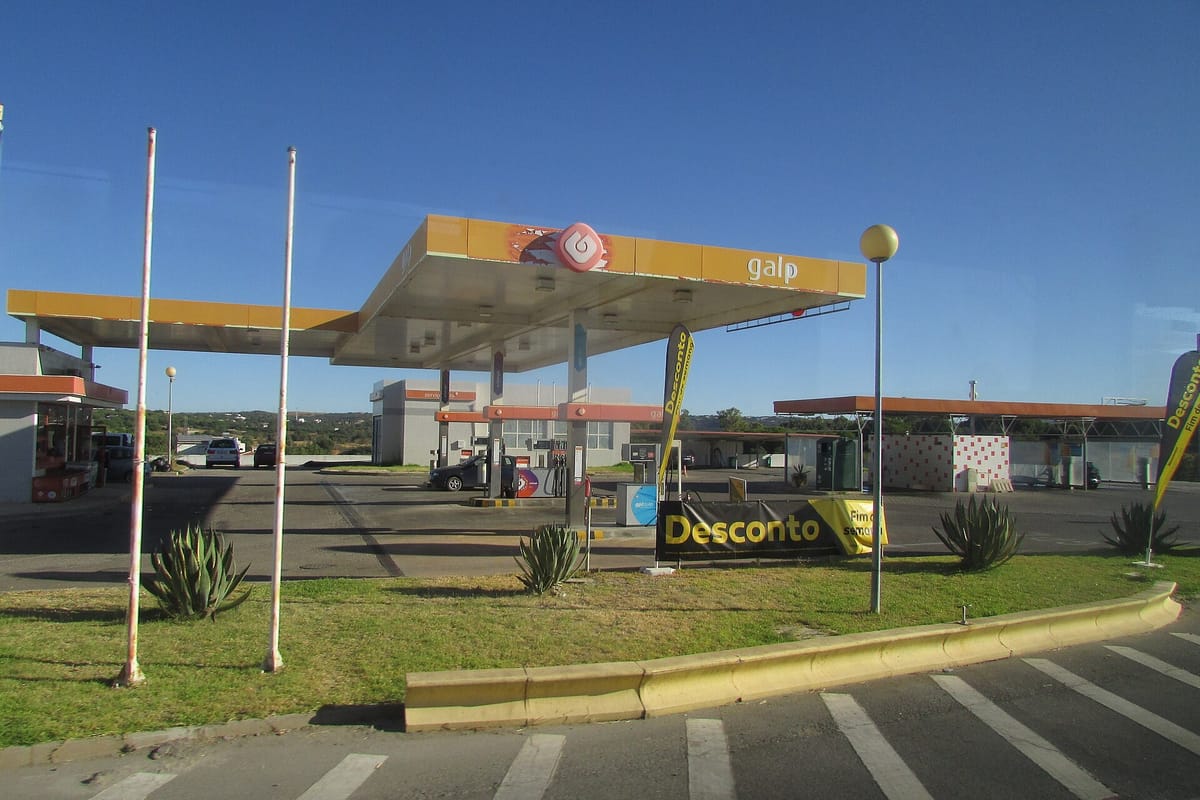
Drivers in Portugal bought less road fuel in August than a year earlier, as the average price of a litre of diesel ran 30 percent above its level of August 2025. The figures come from the latest monthly fuel statistics of the Directorate-General for Energy and Geology (DGEG), published on 1 October. Some relief is due at the pump on Monday: sector estimates point to a cut of about three cents a litre on both diesel and petrol.
What drivers paid
Simple road diesel averaged 2.029 euros a litre in mainland Portugal in August, against 1.907 euros in July and 1.558 euros in August 2025, a rise of 30.2 percent in a year. Simple 95-octane petrol averaged 1.966 euros, up from 1.943 euros in July and 1.697 euros a year earlier, a rise of about 16 percent.
Before taxes, the increase was steeper still. The pre-tax price of diesel was 55.9 percent higher than in August 2025 and that of petrol 32.8 percent higher, DGEG says, while Brent crude averaged 78.56 euros a barrel, 35.5 percent more than a year before. Prices have climbed since the United States and Israel launched attacks on Iran on 28 February, with shipping through the Strait of Hormuz heavily restricted.
Less diesel sold
Sales of road fuels came to 506,000 tonnes in August, down 10.3 percent from July. Part of that fall is seasonal, because August usually brings less freight traffic than July. The comparison with August 2025 is cleaner, and it also shows a fall: 2.7 percent fewer tonnes of road fuel overall.
The drop was all in diesel, the fuel used by lorries, vans and most older cars. Diesel sales fell to 362,000 tonnes, 14.2 percent below July and 4.7 percent below August 2025. Over the same year, sales of 95-octane petrol rose by about 3 percent, and sales of autogas (LPG), still a small market, by about 14 percent.
Over the full twelve months to August, road fuel consumption was still 2.0 percent higher than in the previous twelve months, DGEG says, with diesel up 1.0 percent, 95-octane petrol up 4.4 percent and autogas up 14.6 percent. The August figure is the clearest sign so far of drivers and hauliers cutting back as prices rose, but the longer trend has not yet turned.
Monday's prices
On Friday the average price was 2.180 euros a litre for simple diesel and 2.096 euros for simple petrol, according to DGEG's online price monitor. The Automóvel Club de Portugal estimated on Friday that diesel would fall by three cents and petrol by three and a half cents next week, and sector sources quoted by Notícias ao Minuto put the cut at about three cents for both once the government's weekly tax adjustment is included. Prices at each station remain a commercial decision for the operator.
That adjustment matters because pump prices currently include a temporary discount on the tax on petroleum products (ISP). The government applies it while prices stay more than 10 cents above their level in the week of 2 to 6 March, as a way of returning the extra VAT the state collects, and resets it each week by ministerial order. The order published on Friday cuts the discount for a second week running, from 100.29 to 97.20 euros per 1,000 litres of diesel and from 73.43 to 69.37 euros for petrol, which takes only about 0.3 to 0.4 cents a litre off next week's fall. Even after this week's decline, diesel is about 55.6 cents a litre dearer and petrol about 39.6 cents dearer than before the war began, according to ECO's calculations.
Fuel has been the main force behind September's rise in inflation to 3.6 percent. The Environment and Energy Minister, Maria da Graça Carvalho, said this week that EU leaders are expected to decide on a common response to the fuel crisis at the European Council on 15 and 16 October.