Fuel Pushes Portugal's Inflation Up to 3.6 Percent in September, and the Economy Minister Concedes It Is the Part Going Badly
Energy prices were 15.4 percent higher than a year earlier, INE's flash estimate shows, while core inflation barely moved. Unemployment held at 5.7 percent in August.
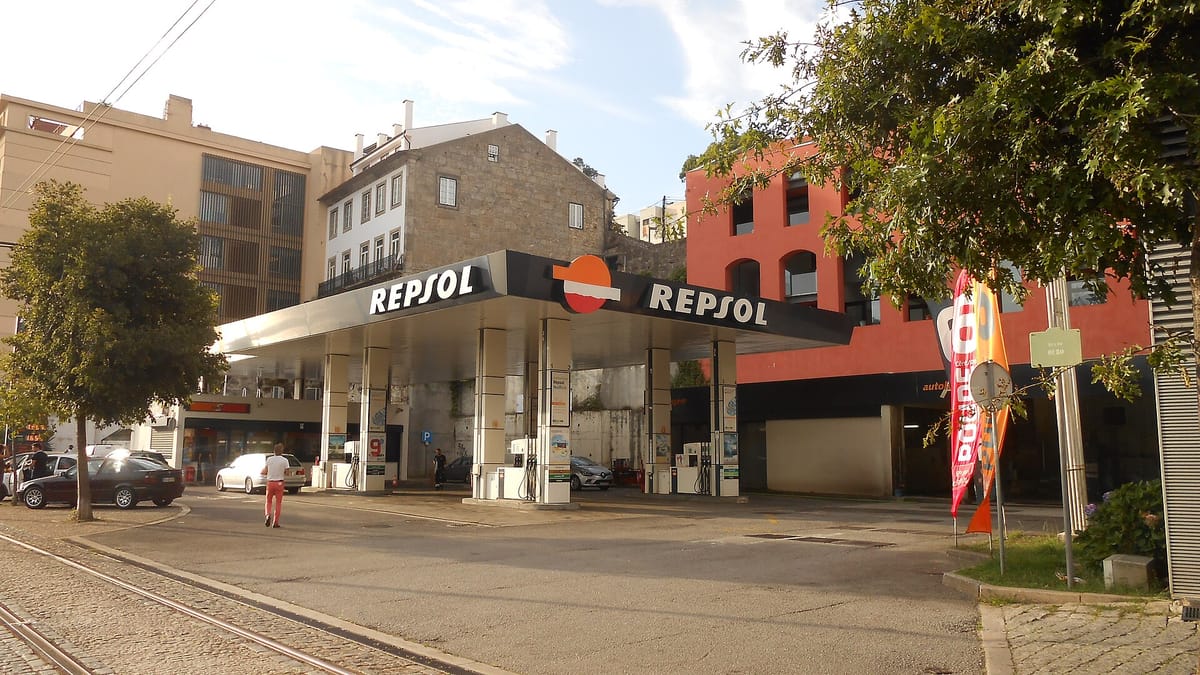
Consumer prices in Portugal rose 3.6 percent in the year to September, up from 3.3 percent in August, according to the flash estimate published by the national statistics institute, INE, on Wednesday. The institute said the acceleration was "explained to a large extent by the rise in fuel prices".
Energy prices were 15.4 percent higher than a year earlier, against 12.2 percent in August. Unprocessed food, the other volatile component, rose 3.6 percent (3.4 percent in August). Core inflation, which strips out both, edged up to 2.7 percent from 2.6 percent, so most of the jump came from what drivers and households pay for energy rather than from a broad rise in other prices.
A sharp monthly rise
On a monthly basis, prices rose 1.2 percent between August and September, after no change from July to August. In September 2025 the monthly rise was 0.9 percent. Average inflation over the last twelve months reached 2.8 percent, from 2.7 percent.
The harmonised index used for comparisons across the euro area also stood at 3.6 percent, the same as in August. INE's final September figures are due on 13 October, and its flash estimate for October on 30 October. The institute notes that flash estimates cannot be used to update contracts, such as rents, and that the final figures may differ slightly.
"The part that is going less well"
The economy minister, Manuel Castro Almeida, acknowledged the problem on the same day. "The Portuguese economic situation has one factor that is going badly, which is inflation, because of fuel costs, because of the wars," he said in Porto, as reported by Observador. He promised that the government would go "to the limit", within a balanced budget, to stop higher prices at the pump from being passed on "to supermarket shelves", pointing to credit lines already available to farmers, hauliers and other energy-intensive businesses.
He also argued that inflation is not the only story. "Alongside inflation, which is not going well, there is an economy that is growing more than the average, public debt is falling and employment is growing at levels never seen in Portugal," he said.
Jobs hold steady
INE's labour market figures, also released on Wednesday, bear out the last part of that. The provisional unemployment rate for August was 5.7 percent, unchanged from July and 0.2 points lower than a year earlier. In July, the unemployment rate for men fell to 4.9 percent, the lowest since February 1998. The broader labour underutilisation rate, which also counts discouraged and underemployed workers, was estimated at 9.7 percent in August.
What it means for households
For anyone living in Portugal, the September figure arrives alongside other October increases: regulated natural gas and electricity tariffs went up on 1 October, and mortgage payments on variable-rate loans reviewed this month are rising as Euribor climbs. The government's 2027 budget, now being prepared, will have to decide how much more relief to offer at the pump without breaking the "balanced accounts" goal the finance minister has set.