Costa's Trimmed EU Budget Plan Would Hand Portugal 34.9 Billion Euros for 2028 to 2034, 400 Million Less Than the Irish Draft
The European Council President cut the next seven-year EU budget to 1.78 trillion euros, 10 percent below the Commission's plan, with cohesion trimmed for the first time. Portuguese diplomats call it a step in the right direction but want money for the Azores and Madeira.
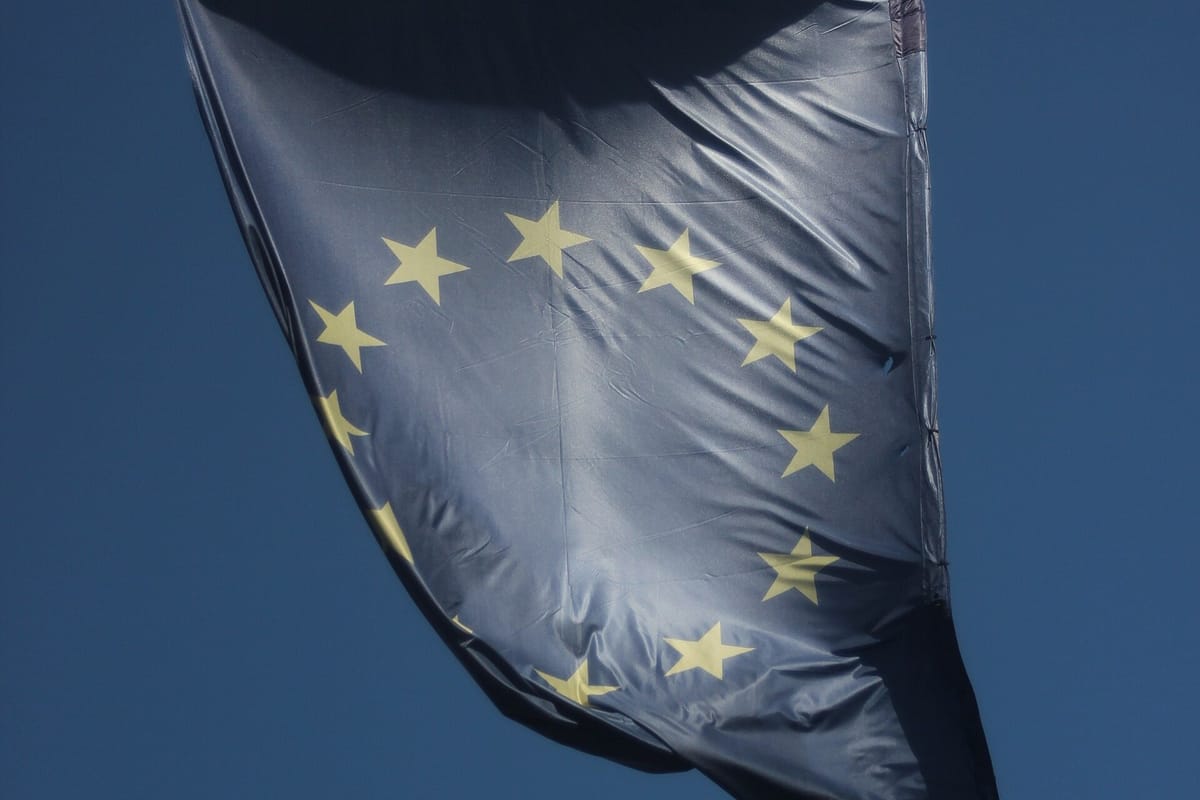
Portugal would receive 34.9 billion euros from the European Union's 2028 to 2034 budget under a new proposal from António Costa, the President of the European Council. That is about 400 million euros less than under the draft the Irish presidency of the Council of the EU put forward about a month ago, according to the Lusa news agency.
Costa presented his revised "negotiating box" for the next multiannual financial framework (MFF, the EU's seven-year budget) in Brussels on Saturday, ahead of a special European Council summit that opens on Thursday.
A smaller budget for everyone
Costa's plan cuts the total to 1.78 trillion euros, from nearly 2 trillion in the European Commission's original proposal. That is 204 billion euros, or 10 percent, less, Euronews reported. It also goes 49 billion euros further than the Irish presidency's October draft. All figures are in current prices.
The aim is to win over the "frugal" net contributors, among them Germany, the Netherlands and Sweden, who had pressed for cuts of several hundred billion euros. Among the changes Euronews reported:
- Farming, fisheries and cohesion lose 54 billion euros together, about 5 percent less than the Commission proposed. Cohesion funding is cut for the first time in these talks.
- Competitiveness and defence lose 95.5 billion euros. Global Europe, the external-action budget, loses 45 billion euros (21 percent).
- Repayments of the NextGenerationEU recovery debt due in 2028 to 2034 fall by 10 billion euros. Repayment still runs to 2058, on a different profile.
- New EU revenue of about 64 billion euros a year. This includes a 3 percent digital services levy on large tech companies (EU turnover above 50 million euros and global turnover above 750 million). It also raises the call rate on non-recycled plastic packaging from 0.80 to 1.25 euros per kilogram, and phases in a share of emissions-trading revenue.
What it means for Portugal
Lusa's figures for Portugal compare three versions of the budget:
- Costa's proposal: 34.9 billion euros in current prices, or 31 billion in constant 2025 prices.
- Irish presidency draft: 35.3 billion euros in current prices, or 31.4 billion in constant 2025 prices.
- Commission's original proposal: 33.5 billion euros in current prices, or 29.8 billion in constant 2025 prices.
Costa's figure is higher than the Commission's because extra cohesion money was added during the negotiations. Compared with the current budget, Portugal's allocation would fall by 6.9 percent, against the 10.7 percent cut in the Commission's original plan.
"There is still a way to go, but [the proposal] is going in the right direction," a Portuguese diplomatic source told Lusa, stressing that the cut was applied across all member states. The source called funding for the Azores and Madeira, the EU's outermost regions, a "fundamental gap". Portugal wants about 900 million euros for them, in line with current levels. The source welcomed an extra 140 million euros of cohesion money now "partially" mentioned in the text. The amounts for the Programa de Opções Específicas ao Afastamento e à Insularidade (POSEI, the EU support scheme for farming in remote and island regions) are still missing.
Cohesion money is what pays for Portugal's regional programmes. Under the current Portugal 2030 framework it funds everything from business support to 656 million euros for housing.
What happens next
Costa told Portuguese reporters that every government would flag its problems before Thursday, and that he would work with Lisbon, as with the other 26, "to accommodate, as far as possible" solutions, Jornal de Negócios reported. Portugal's interests, he said, had so far been reflected in the text.
A source at the Élysée, the French presidency, called the proposal "very disappointing" and said it "does not constitute a basis for an agreement", Euronews reported. The MFF needs the unanimous agreement of all 27 governments and the consent of the European Parliament before it can take effect in January 2028.