André Ventura Will Chair Parliament's Inquiry Into Luís Neves, and the Law Lets Chega Demand Evidence Without a Vote
Chega forced a 25-member inquiry into the interior minister's eight years running the Judicial Police. Its leader will chair it, and under the inquiries law his party's evidence requests cannot be voted down.
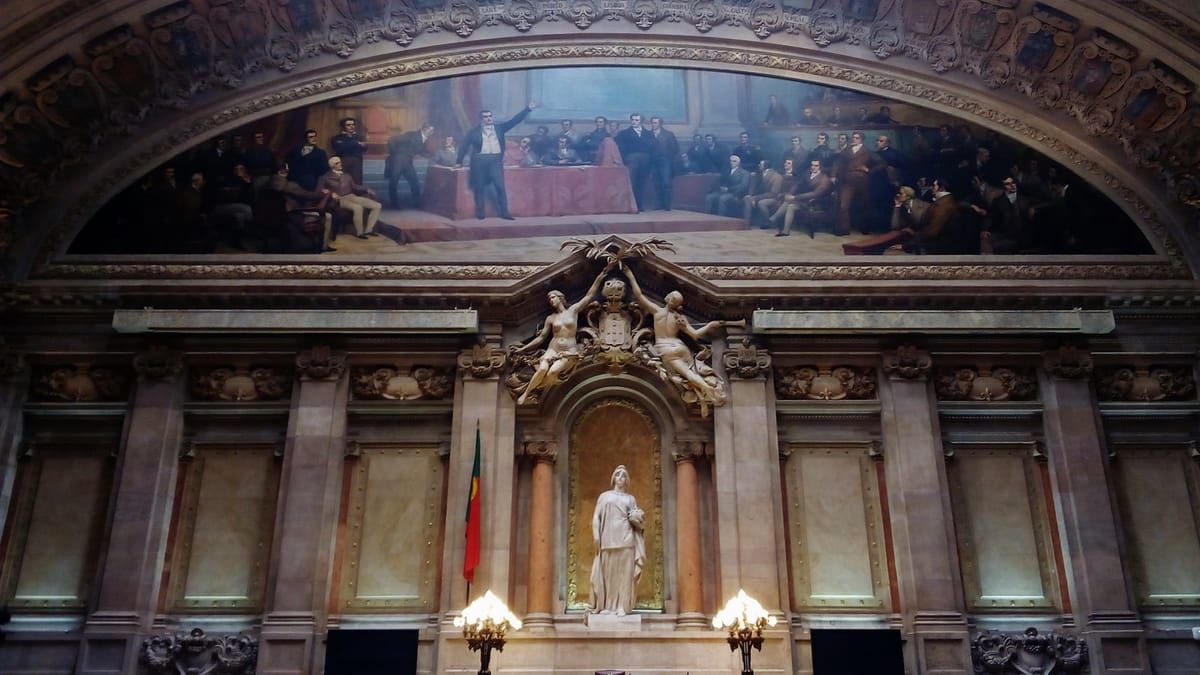
André Ventura, the leader of Chega, announced on Saturday that he will personally chair the parliamentary committee of inquiry into Luís Neves's years as national director of the Polícia Judiciária (Judicial Police, PJ). Neves left the PJ in February 2026 to become Minister of Internal Administration, so the inquiry will examine a serving minister.
"After meeting the party and parliamentary leadership, I decided I should chair this committee of inquiry into the Luís Neves case," Ventura said in Coimbra, in remarks reported by Lusa. He said he wanted the committee set up quickly, so that "next week work can start, or at least the first steps can be taken."
How Chega got its inquiry
Chega used a potestative inquiry: under Lei n.º 5/93 (the Parliamentary Inquiries Act), a request signed by one fifth of the MPs in office must go ahead without a vote in the chamber.
According to Renascença, the Speaker of Parliament, José Pedro Aguiar-Branco, turned down Chega's first two requests. He then admitted nine of the eleven points in a third, filed on 18 September. The two points he struck out concerned alleged interference with journalists' work by one of the minister's sons, and possible conflicts of interest involving entities the request did not name.
On 30 September the chamber approved the Speaker's proposal for the committee's make-up, with only PAN abstaining, Lusa reported. It has 25 members: eight from the PSD, five each from Chega and the PS, two each from the Liberal Initiative and Livre, and one each from the PCP, CDS-PP and JPP. The Left Bloc and PAN, which have one MP each, have no seat. The PS takes the first vice-chair and the PSD the second.
What it will look at
The committee's formal object is "an assessment of Luís Neves's conduct as director of the Polícia Judiciária throughout all his mandates (2018 to 2026) and the possible responsibility of the members of the Government who appointed and oversaw him."
According to Diário de Notícias and Lusa, the topics include a trailer seized in a cocaine case that ended up at the yard of Construbarcelos, a building firm that also did work on a property of the minister's family; the alleged disappearance of weapons and a crypto-asset wallet held by the PJ; the use of PJ vehicles; possible leaks; PJ contracts; and why the PJ was taken off Operação Influencer (Operation Influencer), the case that led to António Costa's resignation as prime minister. Prosecutors opened a criminal inquiry over the trailer in July, and European prosecutors are checking 17 PJ contracts with Construbarcelos. Including a topic in the inquiry does not mean the allegations are proven.
It is separate from the criminal investigation into the PJ's current director, Carlos Cabreiro.
What the chair can and cannot do
The law gives a potestative inquiry unusual weight. Its chair must come from the party that requested it, which is why the post falls to Chega. Evidence requests made by the requesting MPs must be carried out without a committee vote, so the larger parties cannot block them. Public bodies must hand over documents within ten days, and anyone who fails to appear or refuses to testify commits the crime of aggravated disobedience.
There are limits. The inquiry lasts at most 180 days, with a further 90 that must be granted if Chega asks. The Attorney General's Office must tell Parliament whether a criminal case covers the same facts; if one does, Parliament decides whether to suspend the inquiry until the courts rule. Sessions touching judicial secrecy can be held in private.
The calendar is against speed: the 2027 State Budget is due next week, and the Speaker has warned that the committee's work may be suspended during the budget debate.
Neves said on 25 September that he faced the inquiry with "complete calm," and that every committee helps "establish the truth."