A Serving Coordinator Has Reported Portugal's Chief Detective to the Attorney General Over a 2015 Recording He Swore Never Existed
The PGR has sent the complaint against national director Carlos Cabreiro to the Lisbon DIAP. At issue is a surveillance operation on the A5 in October 2015 that PJ inspectors told a court never produced a recording, and internal paperwork that says otherwise.
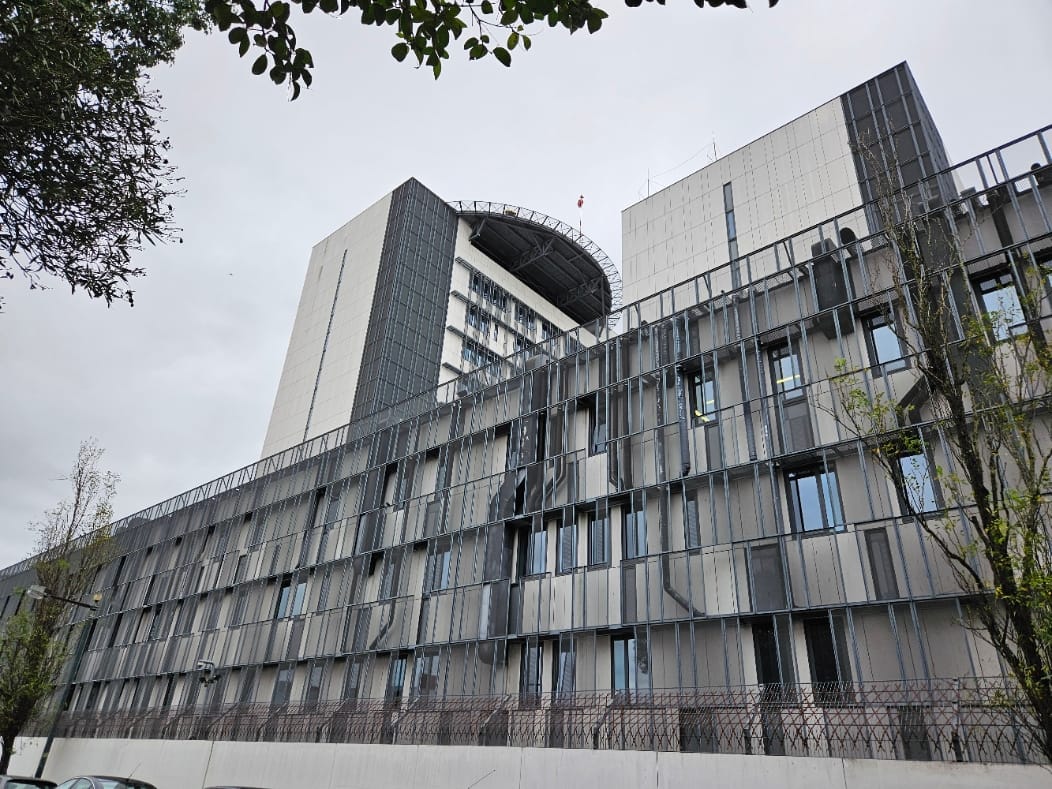
The Procuradoria-Geral da Republica has confirmed it received a criminal complaint against Carlos Cabreiro, the national director of the Policia Judiciaria, and has passed it to the DIAP in Lisbon, the prosecution department that decides whether an inquiry opens. The complaint was lodged by a serving PJ coordinator with more than thirty years in the force, and it concerns a single afternoon in October 2015 on a motorway service area outside Lisbon.
What happened on the A5 that day helped identify Rui Pinto, the hacker behind Football Leaks. Anibal Pinto, then acting as his lawyer, met Nelio Lucas of the investment fund Doyen and the lawyer Pedro Henriques at the service station. The PJ, tipped off in advance, set up surveillance. The conversation was later written up as a Relato de Diligencia Externa, an external-operation report, and used in court.
The point in dispute
The lawyer for the defence asked repeatedly for the recording of that conversation to be produced. PJ inspectors testified that no recording existed and that the report had been assembled from what officers overheard inside the service station. One of the two inspectors named as having written it said in January 2021, under oath, that she had heard nothing at all, and had signed the document anyway when it was put in front of her the following day. She is now facing a criminal charge of false testimony, with a decision listed for September.
Carlos Cabreiro, at the time the coordinator of the PJ's cybercrime investigation unit, told that trial that no recording had been made, and that the law would not have permitted one given the offences under investigation. The complaint sent to the Attorney General says internal PJ paperwork tells a different story: a mission order mobilising the unit that runs surveillance and covert recording, subscribed by Cabreiro and three inspectors, and a report describing devices placed on the two men who were cooperating with the police, with files afterwards burned to a CD and handed to the case officer.
Denial, confidence, and a separate complaint
Through the PJ press office, Cabreiro said he "maintains all the statements made in court, having made no statement that does not correspond to the truth", and that the operation described in the complaint "is not known to him". The Justice Ministry said the minister "has no comments to make, reiterating only that she maintains confidence in the National Director of the Policia Judiciaria".
Anibal Pinto has filed his own complaint against Cabreiro and three named inspectors, arguing there is an "objective, serious and materially relevant incompatibility" between the PJ's operational paperwork and the sworn denials, and asking prosecutors to determine whether illegal evidence was validated in court. He lists possible offences including denial of justice, false testimony, document falsification and abuse of power.
The stakes reach beyond one officer's position. Rui Pinto was convicted in September 2023 and given a four-year suspended sentence; in his second trial he was acquitted of all 241 counts, a verdict the Ministerio Publico appealed in June. If evidence gathered in 2015 is found to have been unlawfully obtained, the ripples run through a case that is still live on appeal.
What this means for expats
- Institutional trust: this is the second senior police controversy in a month, after the Interior Minister's use of a seized vehicle. Portugal's oversight machinery is grinding, publicly, which is uncomfortable but not the same as nothing happening.
- Evidence rules matter here: Portuguese criminal procedure treats unauthorised recordings as null. If you are ever a party to proceedings, ask your lawyer how each item of evidence was authorised.
- No immediate practical effect: nothing changes for residence files, criminal records certificates or ordinary PJ business.
- Timeline: the DIAP now decides whether to open an inquiry. Expect months, not weeks, and note that a related false-testimony verdict is due in September.
A complaint is not a charge, and Cabreiro has denied it flatly. But the documents at the heart of it are the police's own, and that is what makes this difficult to leave alone. Portugal's wider justice overhaul is being debated on the premise that the system's problem is speed. This case asks a harder question about what gets validated along the way.