150 Million Containers In, Portugal's Volta Deposit-Return Scheme Becomes Mandatory
Portugal's deposit-return system for single-use drinks packaging, branded Volta , crossed a symbolic threshold this weekend: more than 150 million bottles and cans have been handed back since the scheme launched, and from Sunday, 9 August,...
Portugal's deposit-return system for single-use drinks packaging, branded Volta, crossed a symbolic threshold this weekend: more than 150 million bottles and cans have been handed back since the scheme launched, and from Sunday, 9 August, participation is no longer optional.
The four-month market-introduction period that began on 10 April ended on Sunday. Until now, marked and unmarked containers coexisted on shop shelves. From this date, every in-scope single-use drinks container sold in Portugal — plastic or metal bottles and cans of up to three litres — must carry the Volta symbol and fall under the deposit-and-refund rules.
SDR Portugal (Sistema de Depósito e Reembolso, the non-profit association that owns and runs Volta) told the outlet ECO/Capital Verde that consumers returned more than 150 million containers between April and the first days of August. Uptake accelerated sharply as the network matured: only about 10 million containers had been returned by 10 June, rising to 55.5 million by 6 July and 100 million by 21 July — nearly doubling in a fortnight.
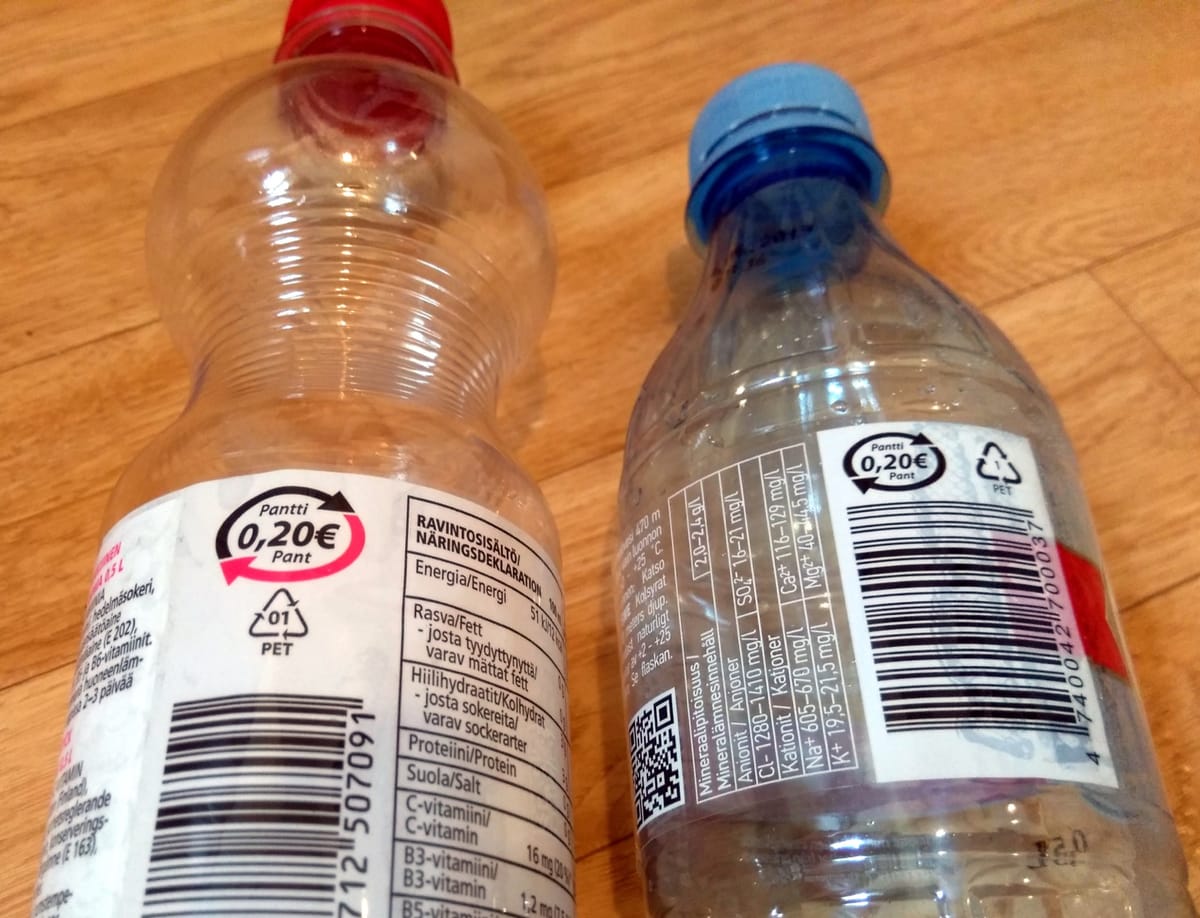
The mechanics are simple. Shoppers pay a mandatory 10-cent deposit — a caução — on each eligible container at the till. Return the empty, intact container, with its barcode and Volta logo readable, and the deposit comes back. Consumers can take it as a cash-convertible voucher, a discount at the point of sale, credit loaded onto a loyalty card, or a donation to a social institution. Regulators have insisted that a cash refund must always remain possible.
The collection network has grown unevenly. Automated return points — the reverse-vending machines now familiar in supermarket lobbies — have outrun expectations, climbing from roughly 2,500 at launch to more than 3,000 nationwide. The staffed quiosques Volta (Volta kiosks) planned for high-volume urban areas are far behind: just five of a planned 50 are operating, in Albufeira, Barcelos, Vila Nova de Famalicão, Funchal and Ponta Delgada, out of 38 municipalities earmarked for the service.
For the hospitality trade — hotels, restaurants and cafés, which generate large volumes of empties — SDR Portugal offers three routes back into the system: the kiosks, the supermarket machines (which accept containers one at a time, a slow option for a busy bar), or a direct-collection service for businesses that register as Aderentes de Recolha Volta (Volta collection partners) and sign an agreement with the association.
The scheme's stated aim is to lift Portugal's collection rate for drinks packaging toward EU targets and cut litter, mirroring deposit systems long established in northern Europe. With the transition period now closed, the coming months will test whether the machines can absorb the higher volumes — and whether the lagging kiosk rollout leaves gaps in the cities where most containers are consumed.