US Military Drones Land in the Azores for the First Time as Lajes Field's Strategic Role Deepens
American MQ-9 Reaper drones touched down at Lajes Air Base in the Azores on Monday, marking the first time the unmanned combat aircraft have been deployed through Portuguese territory. The drones, which have a wingspan of nearly 20 metres, are en...

American MQ-9 Reaper drones touched down at Lajes Air Base in the Azores on Monday, marking the first time the unmanned combat aircraft have been deployed through Portuguese territory. The drones, which have a wingspan of nearly 20 metres, are en route to the Middle East as part of ongoing US military operations against Iran.
The deployment was first reported by SIC Noticias, which noted that the Portuguese government had been contacted about the presence of the aircraft but had not issued a public statement by late Monday. The transatlantic routing through Lajes — a base that has served American military logistics since the Second World War — is a further sign of the facility's expanding role in a conflict that has significant implications for Portugal's own economy and energy security.
What Are MQ-9 Reapers?
The MQ-9 Reaper is the US military's primary armed drone, capable of surveillance, reconnaissance, and precision strikes. Each unit costs between 28 and 34 million dollars depending on the variant. They have been central to American military operations for over a decade and are now playing an active role in the ongoing Middle East campaign.
Their arrival in the Azores is significant because it represents an escalation in the types of military assets being routed through Portuguese territory. While Lajes has long served as a refuelling and logistics hub for conventional aircraft and transport planes, combat drones represent a qualitatively different category — one that carries political sensitivity given Portugal's generally cautious posture on direct military involvement.
Lajes Field's Quiet Transformation
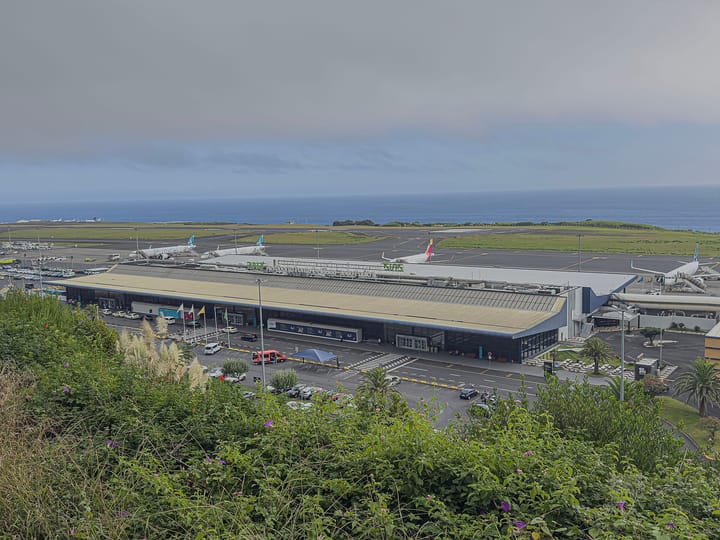
The drone deployment is the latest chapter in Lajes Field's quiet transformation from a declining Cold War installation into one of NATO's most important mid-Atlantic logistics nodes. US military traffic through the base has reached record levels since the escalation of the Middle East conflict, reversing years of drawdown that had left the Azorean island of Terceira economically vulnerable.
For the local economy, the increased activity has been a mixed blessing. Greater military traffic brings spending and employment, but it also raises questions about the Azores' exposure to geopolitical risk — a concern that has grown louder as the Iran conflict has expanded.
Portugal's Balancing Act
Portugal's Defence Council met earlier this month to discuss the country's posture in the evolving conflict. The government has emphasised its commitment to NATO obligations while maintaining that Portugal is not a direct participant in combat operations. The routing of armed drones through Portuguese territory, however, blurs that distinction in ways that may attract greater public scrutiny.
The deployment also comes just days after Portugal participated in NATO's largest Black Sea naval exercise of the year, underscoring the country's growing military engagement on multiple fronts. For a country that has traditionally maintained a low military profile within the alliance, 2026 is shaping up as a year of unusually high visibility on the defence stage.
Sources: SIC Noticias, Noticias ao Minuto, Wikipedia (Lajes Field)