Lajes Field Becomes Mid-Atlantic Staging Post as US Military Traffic Hits Record Levels
Lajes Field in the Azores recorded 32 US military aircraft on Saturday, its highest count since the Iran strikes began. Portugal's conditional authorisation faces growing scrutiny as the base becomes a key mid-Atlantic staging post.

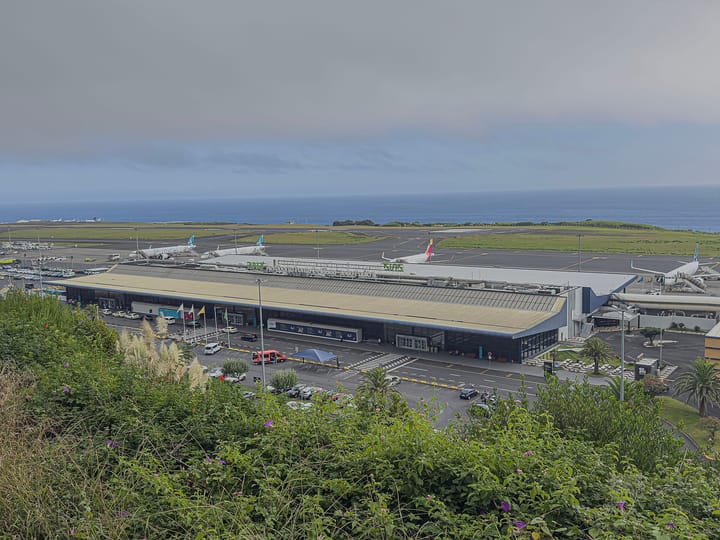
The Azores may sit a comfortable 1,500 kilometres from mainland Portugal, but events on the island of Terceira this weekend have made the archipelago feel a great deal closer to the Middle East. Lajes Field, the Portuguese-American air base that has served NATO operations since the Cold War, recorded its highest concentration of US military aircraft since the American-Israeli strikes on Iran began on 28 February.
On Saturday morning, 32 US Air Force and Navy aircraft were parked on the tarmac, according to the Lusa news agency. The fleet includes 18 KC-46 Pegasus refuelling tankers, six Boeing EA-18G Growler electronic warfare jets, five Northrop Grumman E-2D Advanced Hawkeye surveillance planes, two KC-130 refuellers, and a C-130 transport. Several of the Growlers and Hawkeyes arrived earlier this week and departed Saturday morning, heading east toward the theatre of operations.
A Conditional Green Light
The Portuguese government authorised the use of Lajes after the strikes began, but attached conditions that Prime Minister Luis Montenegro has publicly defended in parliament. The base may be used only in response to an attack, within a framework of defence or retaliation; any action must be necessary and proportional; and it may target only military objectives.
Montenegro told the Assembleia da Republica on Wednesday that, from what the government has been told, US operations through Lajes have complied with those conditions. Critics, however, argue that the sheer scale of refuelling and surveillance operations amounts to logistical participation in an offensive war, not merely a defensive posture.
Why It Matters for Portugal
The Lajes question sits at the intersection of Portugal's two defining foreign policy commitments: its founding membership of NATO and its traditionally cautious approach to military entanglements. Portugal is already pivoting toward increased defence spending, and the first Defence Council convened under President Seguro addressed precisely these tensions.
For residents of the Azores, the implications are more immediate. Lajes Field has been a declining economic presence on Terceira since the US drawdown that began in 2012, when American personnel numbers fell from over 1,000 to fewer than 200. The current surge represents a sudden reversal of that trend, though likely a temporary one. Local businesses near the base report increased activity, but any economic lift comes freighted with anxiety about what it means to live beside a wartime staging post.
The Broader NATO Picture
Portugal's position mirrors that of several European allies. A Forbes report this week noted that only six NATO countries have publicly backed the US strikes on Iran, with Portugal among the nations allowing base access without issuing an explicit endorsement. The distinction between facilitation and participation is one that Lisbon will likely have to keep defending as the conflict evolves.
Meanwhile, the energy price consequences of the Strait of Hormuz closure continue to bite domestically, with diesel prices already spiking and volunteer firefighters warning that fuel costs threaten rescue operations. The war Portugal is helping to facilitate at arm's length is arriving on Portuguese forecourts and kitchen tables.